
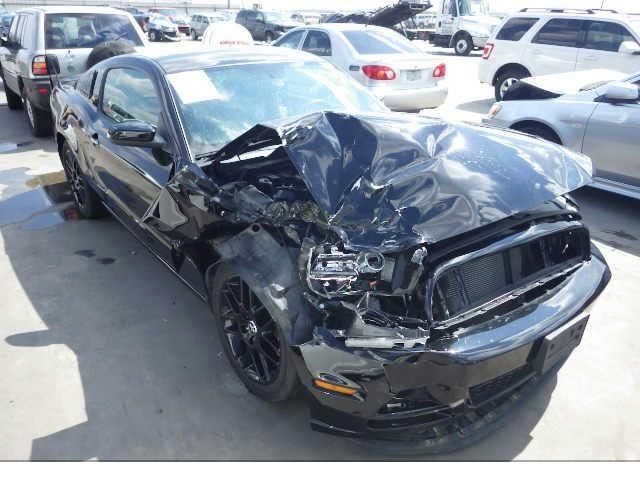
Car crashes have a weird way of shrinking time. One second, it’s errands, podcasts, and half a coffee. Next second it’s hazards blinking, someone asking “Are you okay?”, and that floaty feeling where the body hasn’t decided whether it’s fine or furious.
In Michigan, the aftermath has its own personality. It’s not just the dented bumper and the sore neck. It’s the paperwork, the insurance layers, the quiet deadlines, the way benefits can exist on paper but feel slippery in real life. So let’s talk about what matters most, and what tends to trip people up.
The first hour: boring details that save you later
Right after a crash, adrenaline does a magic trick. Pain gets muted. Memory gets fuzzy. And people get polite. Sometimes too polite.
A few practical moves can make everything easier later:
- Get safe first. Pull over if it’s possible and safe. If not, stay put and turn on hazards.
- Call for help if anyone might be injured. Even if it feels minor. Especially if it feels minor.
- Trade info, not theories. Names, contact details, insurance, plate numbers. No guessing about the fault at the scene.
- Take photos like a documentary filmmaker. Wide shots, close-ups, skid marks, traffic signs, weather, and any bruising that shows up. Yes, even that one.
- Get witness contacts. People disappear fast once the initial “whoa” wears off.
- Don’t skip medical evaluation. Some injuries show up later, and medical documentation matters more than most folks realize.
This part is unglamorous. It also tends to be the difference between a clean claim and months of head-banging.
Michigan’s no-fault setup: helpful, confusing, both at once
Michigan runs on a no-fault system, which sounds comforting until it isn’t. The basic idea: your own auto insurance pays certain benefits after a crash, regardless of who caused it. That usually includes medical coverage through Personal Injury Protection (PIP) and can include wage loss and replacement services depending on the situation and the policy.
Here’s where people get surprised. The system has been updated in recent years, and coverage choices can vary more than they used to. So two neighbors on the same street might have wildly different protection, even if they both say, “Yeah, yeah, I’m insured.”
This is the stage where it helps to understand what benefits are supposed to exist, what paperwork triggers them, and what to do when an insurer starts moving slowly. A clear explainer from an auto accident attorney Michigan locals count on can help frame the process without turning it into legal soup.
And yes, insurers can ask for documentation. Lots of it. Bills, wage verification, treatment notes, and sometimes forms that feel like they were designed by someone who hates joy. Annoying. Still normal.
Injuries are not just “injuries” in paperwork land
A concussion is an injury in real life. In claim land, it’s also a timeline. Symptoms. Diagnostic notes. Follow-up care. Work restrictions. The story has to be consistent because inconsistency is where claims get poked and picked at.
Michigan crashes also have a specific flavor of common injuries:
- Neck and back strain, the classic “it didn’t hurt yesterday” situation
- Knee impact injuries from the dash
- Shoulder issues from bracing or seatbelt force
- Wrist and hand injuries from gripping the wheel
- Foot and ankle injuries from pedals and the floorboard force
That last one gets ignored a lot. Feet do so much work, and they’re easy to overlook until walking becomes a negotiation. If the injury involves the lower extremities, it can be useful to understand what’s going on structurally, even at a basic level. Something like foot anatomy explained can make the “why does this hurt when stepping sideways?” question feel less mysterious.
Also, quick reality check: if a doctor recommends imaging, physical therapy, or follow-up care, skipping it can create problems later. Not because anyone expects perfection, but because gaps raise questions. And insurance companies love questions.
The two tracks people mix up: benefits vs liability
A lot of people assume there’s one single claim after a crash. Michigan often splits things into separate tracks:
1) First-party benefits (your own policy)
This is where no-fault benefits live. Medical bills (depending on coverage), wage loss in certain circumstances, replacement services, and other practical support. It’s meant to help stabilize life after an injury.
2) Claims against the at-fault driver (when allowed)
This is where “pain and suffering” enters the chat. Michigan doesn’t treat that like a default. Generally, it hinges on meeting a legal threshold, and the evidence matters. It’s not only about how miserable the injury feels, but how it affects function, daily life, and whether it qualifies under Michigan’s rules.
So when someone says, “Insurance will cover it,” the real question becomes: Which part of it? Medical? Lost income? Damage to the car? The long-term limitations that don’t fit neatly on a receipt?
Car damage and that sneaky “mini-tort” concept
Vehicle damage is its own headache. Sometimes your collision coverage handles it cleanly. Sometimes it doesn’t, and you’re stuck with a deductible that feels like an insult.
Michigan has a concept many drivers only learn after the fact: a limited claim (often called a mini-tort) that can, in certain cases, help recover out-of-pocket vehicle damage from the at-fault driver. The catch is that it comes with rules and caps, and it’s not a magic wand. Still, it can matter, especially when the car is essential for work, school pickups, life, all of it.
The “insurance voice” problem: friendly words, strict outcomes
Insurance conversations can feel oddly pleasant. Polite. Calm. Lots of “just a few quick questions.”
And then, weeks later, there’s a denial. Or a request for “additional information” that somehow repeats every month. Or a claim that the treatment is “not reasonably necessary.” That phrase shows up a lot.
A few things tend to keep people safer during this phase:
- Stick to facts. What happened, what hurts, what treatment is being done, what work restrictions exist.
- Be careful with recorded statements. Not always a trap, but not always harmless either.
- Track everything. Appointments, mileage to treatment, time missed, meds, symptom progression. A simple note on a phone works.
- Watch deadlines. Some benefits and disputes have notice requirements or time limits. Missing them can be costly.
Also, be honest. But don’t improvise. If something isn’t known yet, “not sure” is a complete sentence.
When a case gets more complicated than it “should” be
Some claims are straightforward. Fender-bender, short treatment, quick recovery, done.
Others turn into a maze because of things like:
- Multiple vehicles and competing stories
- Gaps in insurance coverage
- Disputes over who lives in a household and who is covered
- Prior injuries that insurers try to blame everything on
- Treatment that’s necessary but looks expensive on paper
- Long-term issues that don’t show up well on a single scan
And then there’s the emotional side. Fear of driving. Sleep problems. Irritability. Feeling jumpy at intersections. People don’t always label that as part of the injury, but it can be.
Is it fair that the system asks for proof when life feels upside down? No. Is it common? Absolutely.
The quiet question that matters: what does “back to normal” even mean?
After a crash, a lot of folks aim for “back to normal.” But normal can shift.
Maybe work is possible, but only with breaks. Maybe stairs are suddenly a strategic decision. Maybe a shoulder can’t tolerate a winter coat, a bag, plus a steering wheel grip for 45 minutes. These little limitations matter, and they add up.
Michigan’s structure is designed to sort injuries into categories and benefits, which is tidy on paper and messy in real bodies. Keeping track of how daily life changed is not being dramatic. It’s being accurate.
Practical next steps that keep things from spiraling
If the goal is a smoother path through the aftermath, these moves help:
- Get medical care and follow through.
- Report the crash to the insurer promptly.
- Collect the basics early: police report info, photos, witness contacts, provider notes.
- Keep a simple symptom log. Short entries. Honest. Consistent.
- Don’t assume the first offer is the final word.
- Treat every form like it matters. Because it does.
And if things start feeling tangled, like too many rules and not enough clarity, that’s normal, too. Michigan’s system can be helpful, but it rewards organization. And it punishes confusion.
Not ideal. Just true.
So yeah. After a crash, the body needs time, the brain needs calm, and the paperwork needs attention. Weird combination. But in Michigan, that’s the recipe.