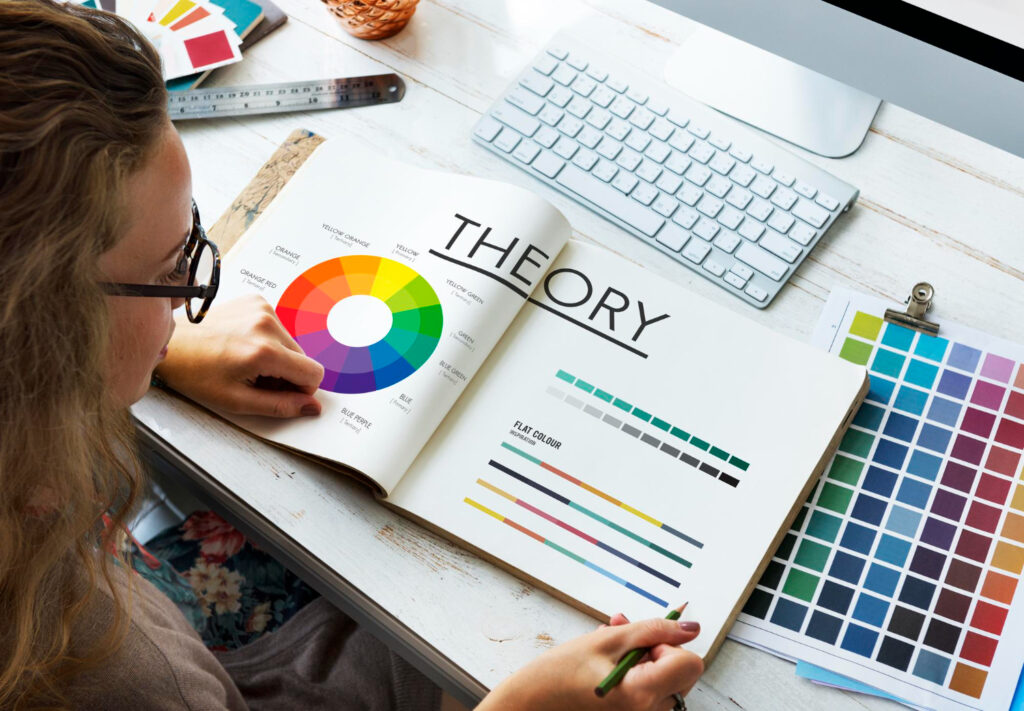
Color is the most immediate way a designer communicates emotion and brand intent, yet achieving a perfect, harmonious balance is notoriously difficult. The purpose of using https://aimarketcap.io/category-ai/design/ for color generation is to apply the scientific principles of color theory to every design project automatically. AI platforms can analyze an image or a brand keyword and generate a comprehensive palette that includes primary, secondary, and accent colors that are mathematically proven to be visually appealing. This removes the “guesswork” from the creative process, ensuring that the visual identity is balanced, professional, and accessible to a wide audience.
The target audience for color-focused AI includes graphic designers, brand managers, and illustrators. These professionals are often tasked with creating visual consistency across many different media, from print ads to mobile apps. They require tools that can ensure that a color palette looks consistent in both RGB (digital) and CMYK (print) environments. Furthermore, accessibility designers use these tools to verify that their chosen colors provide enough contrast for users with color blindness, ensuring the brand is inclusive of all viewers. The goal is to make professional color science an automated part of the design pipeline.
The benefits of AI-driven color management are found in speed and brand integrity. Instead of manually testing hundreds of variations, a designer can generate a “mood-matched” palette in seconds. Secondly, AI can “extract” color profiles from historical art or nature photography to provide a unique and organic feel to a project. Furthermore, the ability to “copy and paste” a color grade from a high-quality reference photo allows designers to emulate the aesthetic of their favorite films or designers with precision. This data-driven approach ensures that the brand’s visual “voice” remains consistent, regardless of which designer is working on the project.
Usage typically involves a web dashboard where a designer inputs a “seed” color or a thematic keyword like “Mediterranean” or “Futuristic.” The AI provides several palette options, which can then be tested against different UI components like buttons and backgrounds to see how they perform in context. Some tools even provide “adaptive color” features that change a website’s theme based on the user’s local time of day or their device settings. This level of dynamic personalization is a major trend in modern design. To protect your custom-designed themes and color systems, it is wise to consult AI tools for lawyers for advice on proprietary design rights. AI is effectively turning the complex world of color into a manageable and strategic creative asset.