
Introduction
Alaskan seiti is a white fish that often appears in seafood markets and packaged fish products, yet many people are not fully sure what it is. It comes from the cold waters near Alaska and is valued for its mild taste, soft texture, and wide use in everyday cooking. People search for alaskan seiti because they see the name on labels, restaurant menus, or frozen seafood packs and want to understand what they are buying and eating. Others are curious whether it is healthy, sustainable, or similar to more familiar fish like cod or pollock. This article explains alaskan seiti in clear, simple terms, covering where it comes from, how it tastes, how it is used, and why it has become a common seafood choice.
What Is Alaskan Seiti?
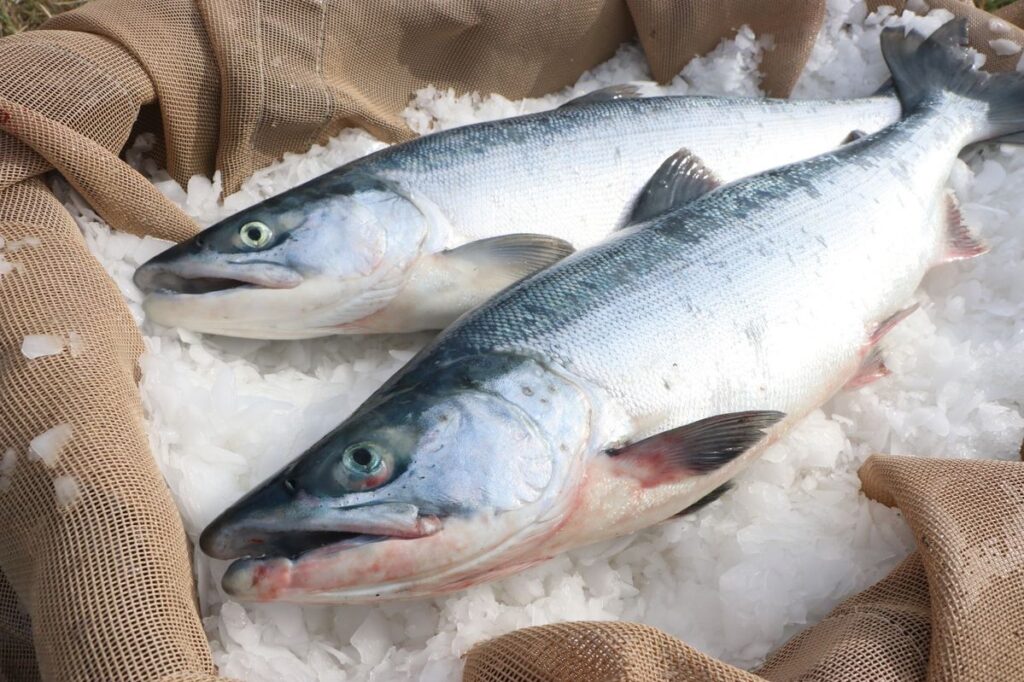
Alaskan seiti refers to a type of white fish commonly known in English as Alaska pollock. In some markets, especially outside English-speaking countries, the name “seiti” is used instead of pollock. It belongs to the cod family and shares many traits with other mild white fish. The fish has a long, slim body, silvery skin, and white flesh that flakes easily when cooked.
Alaskan seiti is usually identified by its clean appearance, light color, and neutral smell when fresh. It does not have a strong fishy odor, which makes it appealing to people who prefer mild seafood. Because it is easy to process and freeze, it is often sold as fillets, blocks, or portions rather than as a whole fish.
Natural Habitat and Where Alaskan Seiti Comes From
Alaskan seiti comes from the cold waters of the North Pacific Ocean, especially around Alaska and the Bering Sea. These waters are known for being clean, deep, and rich in nutrients. The cold temperature slows the growth of bacteria and helps preserve the quality of the fish, which is one reason alaskan seiti is well regarded for its freshness.
The fish lives in large groups and feeds on small sea organisms. Its natural environment plays a big role in shaping its mild flavor and soft texture. Because it lives in open waters rather than near the shore, alaskan seiti is less likely to absorb pollutants that can affect some other types of fish.
Taste, Texture, and Culinary Characteristics of Alaskan Seiti
The taste of alaskan seiti is mild, clean, and slightly sweet. It does not overpower other ingredients, which makes it easy to pair with different seasonings, sauces, and cooking styles. People who are new to seafood often find it enjoyable because it lacks the strong flavor found in fish like sardines or mackerel.
In terms of texture, alaskan seiti has soft, flaky flesh that becomes tender when cooked. It is not as firm as halibut, but not as delicate as sole. Compared to cod, it is slightly lighter and more delicate. This balance of softness and structure allows it to hold together well in many dishes while still being easy to eat.
How Alaskan Seiti Is Commonly Used in Cooking?
Alaskan seiti is widely used in both home cooking and the food industry. It is commonly baked, pan-fried, steamed, or used in soups and stews. Because it absorbs flavors easily, it works well with herbs, spices, lemon, butter, and light sauces. It is also popular in breaded or battered dishes, where its mild taste pairs well with crispy coatings.
Many processed seafood products use alaskan seiti as their main ingredient. Fish sticks, fish fillets, and some imitation seafood products often rely on this fish because of its consistent texture and neutral flavor. Its versatility makes it suitable for simple meals as well as more complex recipes.
Nutritional Profile of Alaskan Seiti
Alaskan seiti is considered a practical seafood option because it offers good nutrition without being heavy or rich. It is low in fat and calories, which appeals to people who want lighter meals. At the same time, it provides a good amount of protein, which supports muscle health and overall body function.
This fish also contains important nutrients such as vitamins and minerals found in many types of seafood. While it may not be as rich in oils as fatty fish like salmon, alaskan seiti still contributes to a balanced diet. Its nutritional profile, combined with its mild taste, makes it suitable for children, older adults, and people who are careful about their food choices.
Alaskan Seiti vs Other Popular White Fish
When compared to other white fish, alaskan seiti stands out for its balance of affordability, taste, and availability. Compared to cod, it has a slightly softer texture and milder flavor. Compared to haddock, it is lighter and less firm. While halibut is thicker and more filling, it is also more expensive and less commonly used in everyday meals.
Many people choose alaskan seiti because it offers consistent quality at a reasonable price. Its ability to work well in many recipes makes it a flexible option. For families, restaurants, and food producers, it provides a reliable alternative to more costly white fish without sacrificing taste or usability.
Sustainability and Fishing Practices Around Alaskan Seiti
Sustainability is an important topic when it comes to seafood, and alaskan seiti is often mentioned as a responsible choice. Fisheries in Alaska are known for strict management rules that control how much fish can be caught and when fishing is allowed. These measures help protect fish populations and ensure long-term availability.
Fishing practices for alaskan seiti are designed to reduce waste and limit harm to other marine life. Modern methods and monitoring systems play a role in keeping the fishery healthy. For consumers who care about the environmental impact of their food, alaskan seiti is often seen as a better option compared to less regulated seafood sources.
How to Choose and Store Alaskan Seiti Properly?
When buying alaskan seiti, freshness is key. Fresh fillets should look moist but not slimy, with a clean smell. The flesh should be white and firm, without dark spots or discoloration. Frozen alaskan seiti should be solid, with no signs of freezer burn or large ice crystals.
Storing the fish correctly helps maintain its quality. Fresh alaskan seiti should be kept cold and used within a short time. Frozen portions should remain in the freezer until needed and thawed gently in the refrigerator. Proper handling ensures the fish keeps its mild flavor and soft texture.
Conclusion
Alaskan seiti is a simple, reliable white fish that fits easily into many types of meals. Coming from the cold waters near Alaska, it offers a mild taste, soft texture, and wide range of uses in cooking. People look for information about alaskan seiti because it appears so often in seafood products and menus, yet its name can be confusing.
With its practical nutrition, responsible sourcing, and easy preparation, alaskan seiti has earned its place as a versatile seafood choice. It may not be the most famous fish, but its steady quality and adaptability make it an important part of modern seafood eating.
FAQs
Is alaskan seiti the same as pollock?
Yes. Alaskan seiti is another name for Alaska pollock, commonly used in some regions and seafood labeling.
Does alaskan seiti taste fishy?
No. It has a mild, neutral flavor, making it ideal for people who prefer light-tasting fish.
Is alaskan seiti healthy to eat regularly?
Yes. It’s low in fat, high in protein, and fits well into a balanced diet.
Why is alaskan seiti used in fish sticks and fillets?
Because it holds its shape well, absorbs flavor easily, and has a soft, flaky texture after cooking.
Is alaskan seiti sustainably sourced?
In most cases, yes. Fisheries around Alaska follow strict rules to protect fish populations and marine life.