
Introduction
Aluminum gutters are a popular choice for homeowners looking to protect their houses from water damage while keeping maintenance simple. Unlike other gutter materials, aluminum is lightweight, resistant to rust, and durable enough to handle years of exposure to the elements. Choosing the right gutters can make a big difference in how well your home handles heavy rain, snow, and seasonal runoff. In this guide, we will cover everything you need to know about aluminum gutters, from their basic design and benefits to installation, maintenance, and cost considerations. Whether you are a DIY enthusiast or simply researching the best option for your home, this article will give you a clear, helpful overview.
What Are Aluminum Gutters and How Do They Work?
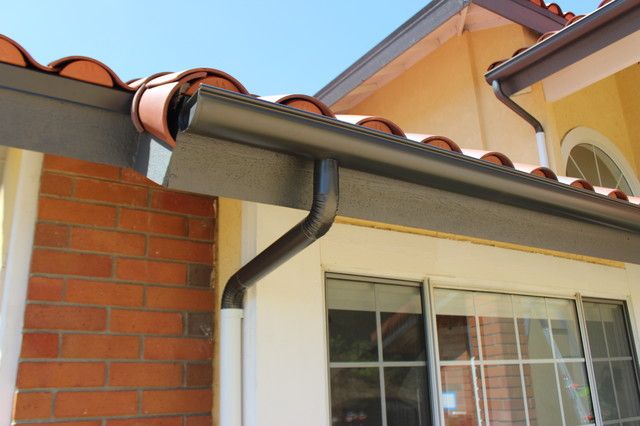
Aluminum gutters are channels installed along the edges of a roof to direct rainwater and melted snow safely away from your home’s foundation. By controlling water flow, gutters prevent soil erosion, basement flooding, and damage to siding and landscaping.
Aluminum is an ideal material for gutters because it combines strength with lightweight flexibility. It can be easily shaped into various designs, including the popular K-style and half-round options, without sacrificing durability. Most aluminum gutters are either seamless, made from a single continuous piece, or sectional, which involves joining multiple segments. Properly installed, these gutters channel water through downspouts and away from your home efficiently, protecting both your structure and your investment.
Key Benefits of Choosing Aluminum Gutters
One of the main reasons homeowners choose aluminum gutters is their long lifespan. Aluminum naturally resists rust, which means it can last decades without deteriorating in wet conditions. Unlike steel gutters, aluminum will not corrode, making it a low-maintenance option.
Aluminum gutters are also lightweight yet sturdy, which makes them easier to handle during installation or repair. This combination of strength and manageability is particularly appealing for DIY projects. Maintenance is straightforward, too. A simple seasonal cleaning to remove leaves and debris is usually all that’s needed to keep them functioning well.
Cost is another factor that makes aluminum gutters attractive. While they may have a slightly higher upfront price than vinyl, they often prove more cost-effective in the long run due to their durability and reduced maintenance requirements.
Different Types of Aluminum Gutters
When selecting aluminum gutters, homeowners have several styles and options to consider. The two most common shapes are K-style and half-round. K-style gutters have a flat back and a decorative front that resembles the letter “K,” offering a modern look and efficient water flow. Half-round gutters are semicircular and provide a classic appearance, often used in traditional or historic homes.
Aluminum gutters can also be either seamless or sectional. Seamless gutters are made from one long piece of aluminum, reducing the chance of leaks and giving your home a clean, uniform look. Sectional gutters are assembled from multiple pieces, which can make installation easier for certain roof shapes but may require more regular maintenance to check for leaks at the joints.
For homeowners concerned with aesthetics, aluminum gutters come in various finishes and colors. This allows you to match your gutters to your home’s exterior, providing both protection and visual appeal.
How to Properly Install Aluminum Gutters?
Installing aluminum gutters requires careful planning to ensure proper water flow and durability. The first step is measuring your roofline accurately and deciding where downspouts should be placed. Downspouts are essential for directing water safely away from your home’s foundation.
The installation process typically begins with attaching gutter hangers along the fascia, ensuring a slight slope toward each downspout for effective drainage. Seamless gutters are then cut to length and secured in place, while sectional gutters are joined together and sealed at each joint. Proper tools and materials, including a ladder, drill, screws, and sealant, are essential for a smooth installation.
For homeowners considering a DIY approach, careful attention to slope, fastening, and alignment is key. Incorrect installation can lead to leaks, sagging, or water pooling near your home, defeating the purpose of the gutters.
Maintenance Tips for Aluminum Gutters
Even though aluminum gutters are low-maintenance, regular care is necessary to ensure they continue working properly. Cleaning gutters at least twice a year, ideally in spring and fall, removes leaves, dirt, and debris that could block water flow. A simple scoop or garden hose is often enough to clear out build-up.
Preventing clogs is especially important in areas with heavy rainfall or nearby trees. Installing gutter guards can reduce debris accumulation, though occasional checks are still recommended. Ice dams in colder climates can also cause damage, so ensuring gutters are clear before winter is critical.
Minor repairs, such as sealing small leaks or tightening loose hangers, can usually be done without professional help. By staying proactive, you can extend the life of your aluminum gutters and avoid more costly repairs later.
Common Issues with Aluminum Gutters and How to Solve Them
While aluminum gutters are durable, they are not immune to issues. Dents from falling branches or hail can occur, but minor dents typically do not affect functionality. Larger damage may require panel replacement. Leaks at joints or corners are another common problem, usually fixable with gutter sealant.
Loose hangers or fasteners can cause gutters to sag, leading to improper drainage. Regular inspections help identify these problems early. In cases where corrosion or extensive damage occurs, replacing sections of the gutter may be the most practical solution. Recognizing when repair is sufficient versus when replacement is necessary ensures your gutters continue to protect your home effectively.
Cost Considerations for Aluminum Gutters
The price of aluminum gutters varies based on style, length, and whether they are seamless or sectional. On average, homeowners can expect to pay between $5 and $10 per linear foot for aluminum gutters, excluding installation costs.
Compared to other materials, aluminum is generally more affordable than copper and more durable than vinyl, making it a balanced choice for long-term investment. Over time, the durability and low-maintenance nature of aluminum gutters can result in significant savings by reducing repair and replacement needs. Homeowners should consider both upfront costs and long-term benefits when making a decision.
Conclusion
Aluminum gutters offer a practical, durable, and low-maintenance solution for protecting your home from water damage. Their resistance to rust, lightweight construction, and long lifespan make them a reliable choice for homeowners seeking both function and ease of care.
By understanding the different types of aluminum gutters, proper installation techniques, and routine maintenance practices, you can ensure your gutters continue to serve your home efficiently for many years. Choosing the right gutters involves balancing aesthetics, functionality, and cost, but aluminum gutters often provide a strong combination of all three. With careful selection and upkeep, aluminum gutters can be a smart, lasting investment for any home.
FAQs
How long do aluminum gutters last?
Aluminum gutters typically last 20–30 years with proper maintenance.
Are aluminum gutters better than vinyl?
Yes, aluminum is stronger, more durable, and less prone to cracking, while vinyl is cheaper but can fail faster.
Can I install aluminum gutters myself?
Yes, aluminum gutters are lightweight and DIY-friendly, but proper slope and fastening are important for effective drainage.
Do aluminum gutters rust?
No, aluminum naturally resists rust, making it ideal for wet climates.
How much do aluminum gutters cost?
Average prices range from $5 to $10 per linear foot, not including installation.