Introduction
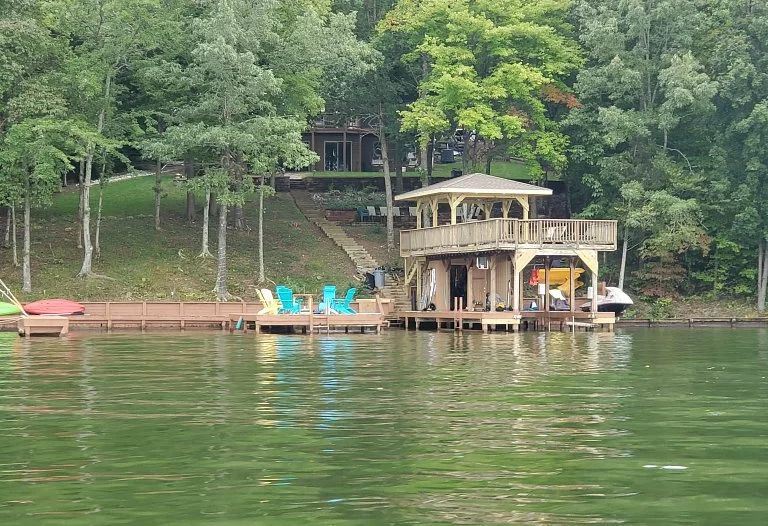
Anna Lake, a name shared by lakes in both Virginia and Minnesota, is a popular destination for boating, fishing, and swimming. While these lakes provide beautiful natural settings and recreational opportunities, they are also facing growing challenges from invasive species. These species, whether plants, algae, or predatory fish, can significantly alter lake ecosystems, affect local wildlife, and even impact recreational activities. Understanding the types of invasives present, how they spread, and what management efforts are underway is essential for anyone planning to visit or enjoy these waters.
In this article, we will explore the most common invasive species affecting Lake Anna in Virginia and Anna Lake in Minnesota, the effects these species have on recreation and wildlife, and the steps that both authorities and visitors can take to prevent their spread.
The Most Common Invasive Species in Lake Anna, Virginia
Lake Anna in Virginia has been actively managing several invasive species that threaten its ecosystem and recreational use. One of the most well-known is Hydrilla, a fast-growing aquatic plant that can form thick mats across the water’s surface. These mats can block sunlight from reaching native plants, interfere with boating, and make swimming areas less enjoyable. The lake management team uses a combination of herbicide treatments and the introduction of grass carp to control its growth, helping to keep the lake navigable and balanced.
Another species of concern is the Northern Snakehead, a predatory fish first verified in Lake Anna in 2017. This fish competes with native species for food and habitat, raising concerns about its long-term impact on the lake’s ecosystem. While debates continue about the extent of its threat, anglers and wildlife managers remain vigilant.
Harmful Algal Blooms (HABs) also pose seasonal challenges. These blooms, caused by cyanobacteria, are not always considered traditional invasive species, but they can produce toxins that affect swimmers and pets, as well as reduce water quality. HABs tend to occur during warm summer months, often influenced by nutrient runoff from surrounding areas. Swimming advisories are issued when blooms reach unsafe levels, and lake users are encouraged to avoid contact with affected water.
Key Invasive Species Threats in Anna Lake, Minnesota
In Minnesota, Anna Lake in Otter Tail County recently drew attention due to the discovery of invasive species in late 2025. Starry Stonewort, a grass-like alga, has been a particular concern. It grows in dense mats along lake bottoms, outcompeting native plants and making activities such as fishing and boating more difficult. Starry Stonewort can spread quickly, attaching to boats and equipment, which makes careful cleaning essential for preventing further infestations.
Zebra Mussels are another major issue for Anna Lake. These small mollusks reproduce rapidly, attaching to hard surfaces and damaging boat engines. They also disrupt the aquatic food chain by filtering out plankton, which many native species rely on for survival.
In response to these discoveries, local authorities and the Minnesota Department of Natural Resources (DNR) applied a rapid-response treatment using copper sulfate in October 2025 to control the localized infestation. Ongoing monitoring continues to ensure that new populations are detected early and managed effectively.
How Invasive Species Affect Recreation and Wildlife?
The presence of invasive species in both Lake Anna and Anna Lake has a direct impact on recreation and wildlife. Thick plant mats, such as those formed by Hydrilla or Starry Stonewort, can make boating, fishing, and swimming more challenging. In some cases, areas of the lake may become completely inaccessible, limiting recreational enjoyment.
Wildlife is also affected. Predatory fish like the Northern Snakehead can reduce populations of native fish, while species like zebra mussels alter the food web by filtering plankton from the water. These changes can ripple through the ecosystem, affecting birds, amphibians, and other aquatic animals that depend on a balanced lake environment.
Invasions can also follow seasonal patterns, with warmer months often seeing more aggressive plant growth and algal blooms. Awareness of these patterns can help visitors plan their trips more safely and avoid areas impacted by invasives.
Prevention and Management Efforts
Managing invasive species in lakes requires both community participation and official oversight. For visitors, following Clean, Drain, Dry protocols is one of the most effective ways to prevent the spread of invasives. Boats, fishing gear, and other equipment should be cleaned thoroughly, drained of water, and dried before moving between lakes.
State and local agencies in Virginia and Minnesota have implemented various strategies, from herbicide treatments and fish stocking to rapid-response interventions like the copper sulfate application in Anna Lake. Monitoring programs and reporting systems allow authorities to act quickly when new infestations are discovered.
Community involvement is also crucial. Residents and frequent lake visitors are encouraged to report any unusual plant growth or sightings of non-native species to their local Department of Natural Resources. These early warnings help prevent small issues from becoming widespread problems.
Monitoring and Staying Updated on Lake Conditions
Staying informed is key for safe and enjoyable lake visits. Visitors can check for current swimming advisories, boat regulations, and invasive species alerts on official state DNR websites for Virginia and Minnesota. These updates often include information on HABs, fishing restrictions, and seasonal management actions.
In addition, tools and apps are increasingly available to help lake users monitor conditions and report sightings of invasive species. Checking these resources before and during lake visits ensures that recreational activities remain safe and that individuals are contributing to the protection of local ecosystems.
Conclusion
Anna Lake in Virginia and Anna Lake in Minnesota are both beautiful destinations, but they face challenges from invasive species like Hydrilla, Northern Snakehead, Starry Stonewort, and Zebra Mussels. These species can affect recreation, wildlife, and water quality, making awareness and prevention efforts critical for visitors.
By staying informed, following prevention protocols, and reporting new infestations, lake users can play an active role in protecting these ecosystems. Responsible behavior helps ensure that Anna Lake remains a safe and enjoyable environment for everyone, preserving its natural beauty for years to come.
FAQs
What are the main invasive species in Anna Lake?
In Virginia, Hydrilla, Northern Snakehead, and Harmful Algal Blooms are most common. In Minnesota, Starry Stonewort and Zebra Mussels are the main concerns.
Are these invasive species dangerous to humans?
Most are not directly harmful, but HABs can release toxins affecting swimmers, pets, and water quality. Fish and plants mainly impact the ecosystem and recreation.
How can I prevent spreading invasives between lakes?
Follow Clean, Drain, Dry: clean equipment, drain water, and dry everything completely before entering a new lake.
Where can I check current advisories for Anna Lake?
Visit the Virginia Department of Wildlife Resources website for Lake Anna and the Minnesota DNR website for Anna Lake for updates on swimming, boating, and invasive species.
Can invasive species be completely removed from lakes?
Complete removal is difficult, but management methods like targeted treatments, monitoring, and public cooperation can significantly reduce their spread and impact.