Introduction
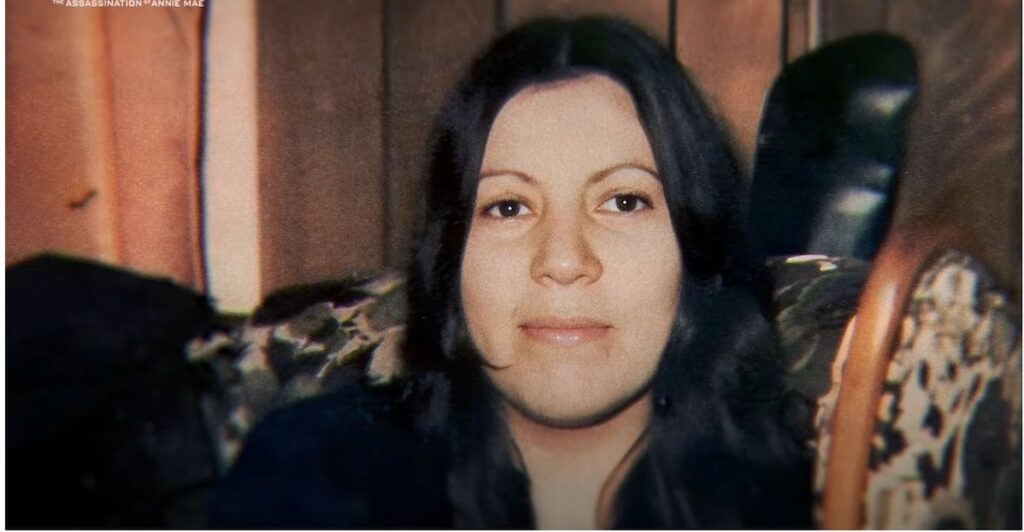
Annie Mae Aquash was a prominent Native American activist whose life became a symbol of resilience and courage. Born into the Mi’kmaq community in Canada, she later became deeply involved with the American Indian Movement (AIM), fighting for the rights and recognition of Native peoples across the United States. Her activism occurred during a turbulent time for Native Americans, when issues of sovereignty, land rights, and cultural preservation were at the forefront of political struggle.
Despite facing immense challenges, Annie Mae Aquash’s dedication to her people and her activism has left a lasting impression. Her story is still relevant today because it highlights the struggles faced by Native communities, the ongoing fight for justice, and the resilience of individuals committed to making change. Understanding her life offers insight into both the history and the ongoing issues within Native American communities.
Early Life and Background
Annie Mae Aquash was born in 1945 in Nova Scotia, Canada, into the Mi’kmaq Nation, a group with a rich cultural history and strong community traditions. Growing up, she experienced the challenges of being part of an Indigenous community in a world that often marginalized Native voices. Her family heritage and upbringing instilled in her a deep sense of identity and connection to her roots.
From a young age, Annie Mae witnessed the struggles of Native peoples to maintain their culture, land, and rights. These early experiences shaped her worldview, fostering a commitment to justice and equality. She learned the importance of community and the power of collective action, values that would later guide her activism. Her early encounters with Native communities, both in Canada and the United States, provided her with a firsthand understanding of the issues she would dedicate her life to addressing.
Journey into Activism
Annie Mae Aquash’s activism began in earnest when she joined the American Indian Movement, an organization focused on addressing the political and social injustices faced by Native Americans. AIM, established in 1968, became a platform for activists like Aquash to push for Native sovereignty, fight against discrimination, and demand recognition of treaty rights.
Her journey was shaped by key events that highlighted the deep inequities faced by Native communities. From protests against unfair government policies to supporting tribal land claims, Annie Mae became a committed advocate for change. She worked tirelessly to give Native voices a platform, participating in public demonstrations and community meetings. Her role in advocating for Native American rights made her a respected figure within AIM and the broader Native activist community, showcasing her dedication to justice even in the face of considerable risks.
Notable Achievements and Contributions
Annie Mae Aquash’s contributions to Native activism were significant. She participated in several high-profile campaigns and protests aimed at highlighting the mistreatment of Native Americans. These efforts included involvement in events that drew national attention, bringing issues of Native rights into the public eye.
Within AIM, she held a leadership role that allowed her to influence strategy and direction. Her contributions were not limited to activism alone; she worked to educate communities about their rights, preserving cultural knowledge, and empowering other Native individuals to take a stand. Through her work, she strengthened the movement and helped create a foundation for continued advocacy for Native Americans. Her efforts reflected both courage and a deep commitment to justice, leaving a lasting impact on the communities she served.
Challenges and Controversies
Annie Mae Aquash’s path was not without danger and controversy. As a vocal activist during a period of political unrest, she faced threats from both outside forces and within the movement. The intensity of her work placed her in high-risk situations, where her commitment to justice could lead to personal harm.
Conflicts arose within AIM and with external authorities, creating a complex environment for activism. These challenges highlighted the difficulties faced by Native activists during this era, especially women who had to navigate both political tensions and personal threats. Tragically, Annie Mae’s life was cut short under mysterious circumstances in 1975, an event that drew attention to the dangers faced by activists and left unresolved questions for decades.
Investigation and Legacy
Following Annie Mae Aquash’s death, efforts to uncover the truth became a significant part of her story. Investigations into her killing revealed deep divisions and unresolved issues within AIM and beyond. Over the years, justice was sought through legal proceedings and advocacy from family and community members, shedding light on the circumstances surrounding her death.
Her legacy extends far beyond the specifics of her passing. Annie Mae Aquash inspired Native communities and activists, reinforcing the importance of courage, perseverance, and advocacy. Historians and scholars continue to study her life, recognizing her contributions to Native American activism and her role as a symbol of resistance against oppression. Today, she is remembered as a figure whose life exemplifies dedication to social justice and the enduring fight for Native rights.
Lessons from Annie Mae Aquash’s Life
Annie Mae Aquash’s life offers valuable lessons in resilience and dedication. Her unwavering commitment to her people, despite the personal risks, demonstrates the power of individual courage in driving social change. She showed that activism requires both strategic action and deep personal conviction.
Her story also emphasizes the relevance of her activism for modern social justice movements. Issues of inequality, cultural preservation, and political advocacy remain critical, and her example continues to inspire new generations of activists. Learning from her life encourages reflection on the importance of standing up for marginalized communities and the enduring impact one person can have on society.
Conclusion
Annie Mae Aquash’s life was marked by courage, dedication, and an unwavering commitment to justice. From her early experiences within Native communities to her leadership role in AIM, she played a vital part in advocating for the rights of Native Americans. Her story serves as both a historical record and a source of inspiration, highlighting the challenges and triumphs of activism.
Understanding her life matters because it reminds us of the ongoing struggle for justice and the importance of preserving the voices of those who have fought for equality. Annie Mae Aquash’s legacy continues to resonate, encouraging readers to learn more about Native American history, honor the contributions of activists, and engage with social justice in meaningful ways.
FAQs
Who was Annie Mae Aquash?
She was a Mi’kmaq Native American activist and member of AIM, fighting for the rights and justice of Native communities.
Why is Annie Mae Aquash important?
Her activism brought attention to Native American struggles, inspiring future generations of social justice advocates.
How did Annie Mae Aquash die?
She died in 1975 under mysterious circumstances; investigations later highlighted internal conflicts and external threats during her activism.
What was her role in AIM?
She was a key organizer, advocating for Native rights, participating in protests, and helping empower Native communities.
What can we learn from Annie Mae Aquash today?
Her life teaches courage, resilience, and the importance of standing up for justice and marginalized communities.