
Introduction
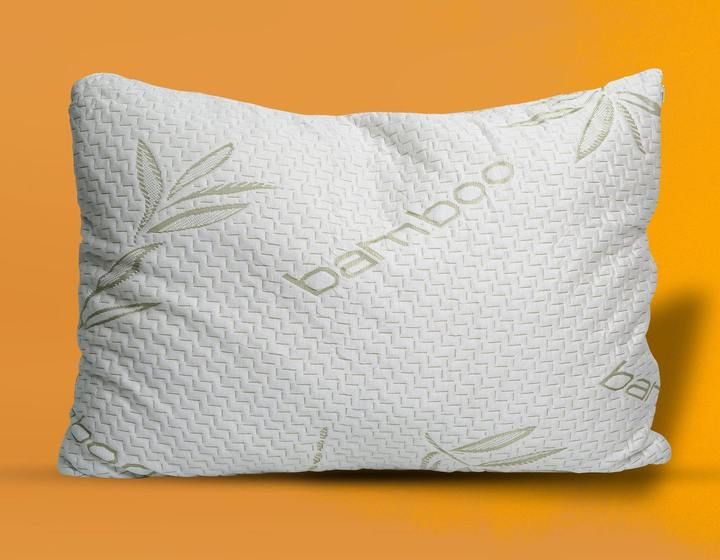
A bamboo pillow is a type of pillow made with a cover derived from bamboo fibers and filled with materials like memory foam, shredded foam, or natural fibers. Unlike traditional cotton or polyester pillows, bamboo pillows are designed to provide a balance of comfort, support, and breathability. Over the past few years, they have gained popularity among people looking for a better night’s sleep and a healthier, eco-friendly option for their bedroom.
One of the main reasons bamboo pillows are catching attention is their unique combination of softness and support. They feel gentle against the skin while conforming to your head and neck, making them suitable for a wide range of sleepers. In addition, bamboo fibers naturally help regulate temperature and resist allergens, which adds to their appeal. This guide aims to give you a clear understanding of bamboo pillows, their benefits, and how to choose and care for them.
What Makes a Bamboo Pillow Different from Traditional Pillows?
Bamboo pillows differ from standard pillows in several key ways. First, the materials used in bamboo pillows are often more breathable and moisture-wicking. The outer cover is made from bamboo-derived rayon or viscose, which feels soft and smooth. Inside, the pillow might be filled with shredded memory foam, natural latex, or microfibers, each offering different levels of support and flexibility.
When compared to memory foam pillows, bamboo pillows often feel lighter and cooler. Memory foam is known for retaining heat, which can make some sleepers uncomfortable, especially in warmer climates. Cotton pillows are soft and natural, but they can flatten quickly and lack the contouring support that many people prefer. Standard polyester pillows can be inexpensive, but they usually don’t offer breathability or long-term durability.
Bamboo pillows also have eco-friendly aspects. Bamboo is a fast-growing plant that requires minimal water and no pesticides, making it a sustainable choice. The natural breathability and moisture-wicking properties of bamboo fibers help keep the pillow dry and fresh, which is an advantage over synthetic materials. Overall, bamboo pillows offer a combination of comfort, environmental consciousness, and practical benefits that traditional pillows may not provide.
Key Benefits of Using a Bamboo Pillow
One of the most notable benefits of bamboo pillows is their ability to regulate temperature. The bamboo fibers allow air to circulate more freely, helping to keep the head and neck cool during sleep. This can be particularly helpful for people who tend to overheat at night or live in warm climates.
Bamboo pillows are also hypoallergenic and resistant to dust mites, mold, and bacteria. For those with allergies or sensitive skin, this can make a noticeable difference in sleep quality. The materials are gentle and non-irritating, reducing the chances of discomfort or allergic reactions.
Comfort and support are other strong points of bamboo pillows. Depending on the type of fill, they can adapt to different sleeping positions. Shredded memory foam offers flexibility for side sleepers, while firmer foam or latex supports back and stomach sleepers effectively. This versatility makes bamboo pillows a good fit for a wide range of users.
In addition to comfort, bamboo pillows tend to be durable and low-maintenance. With proper care, they maintain their shape and softness for a long time, reducing the need to replace them frequently. This combination of longevity, health benefits, and comfort makes bamboo pillows an appealing choice for many people.
How to Choose the Right Bamboo Pillow for You?
Selecting the right bamboo pillow depends on personal preferences and sleeping habits. One important factor is firmness. Some bamboo pillows are soft and plush, while others are medium-firm or firm for more support. The pillow’s loft, or height, also matters; a thicker pillow may be better for side sleepers, whereas back or stomach sleepers often prefer a lower loft.
Size and shape should also be considered. Standard, queen, and king sizes are available, and some bamboo pillows have contoured shapes designed to support the neck more effectively. These options allow you to find a pillow that matches your bed and personal comfort needs.
For people with allergies, it’s essential to check the materials. Look for bamboo pillows that are labeled hypoallergenic and resistant to dust mites or microbes. Those with neck or back issues may benefit from a pillow with adjustable fill, allowing them to customize the height and firmness for proper alignment.
Choosing a bamboo pillow that fits your sleep style and preferences can improve comfort and help prevent neck or back pain, making it easier to enjoy restorative sleep.
Caring for Your Bamboo Pillow
Proper care can extend the life of a bamboo pillow and keep it comfortable. Most bamboo pillow covers are machine washable, but it’s important to follow the care instructions to avoid damage. The inner fill may require spot cleaning rather than full washing, especially if it contains memory foam.
Maintaining the pillow’s shape is also important. Regularly fluffing shredded fill or gently kneading the foam can help it retain its support over time. Avoid folding or compressing the pillow for long periods, as this can reduce its loft and comfort.
Common mistakes include using harsh detergents or bleach, which can damage the bamboo fibers, and exposing the pillow to direct sunlight for prolonged periods. By following simple care routines, a bamboo pillow can remain fresh, supportive, and comfortable for years.
Myths and Misconceptions About Bamboo Pillows
There are a few myths surrounding bamboo pillows that can confuse potential buyers. One misconception is that all bamboo pillows are extremely soft. While many are soft, some are designed with firmer support in mind, so not every bamboo pillow will feel plush.
Another myth is that bamboo pillows are always expensive. In reality, there are options across a range of price points. The cost often reflects the type of fill and quality of construction rather than the bamboo material itself.
It’s also important to clarify that while bamboo pillows have many benefits, they are not a cure-all for sleep problems. They can improve comfort and support but should be chosen in combination with other good sleep habits, like maintaining a consistent sleep schedule and creating a restful bedroom environment.
Real-Life Experiences and Sleep Improvements
Many people notice subtle but meaningful improvements when switching to a bamboo pillow. For example, side sleepers often report better neck alignment, while those who sleep hot may feel cooler and less restless at night. People with mild allergies or sensitivities frequently find that their symptoms improve simply because the bamboo pillow resists dust mites and allergens.
Integrating a bamboo pillow into your sleep routine is straightforward. Using a pillowcase made of natural fibers, keeping the bedroom cool, and fluffing the pillow regularly can enhance its benefits. Even small adjustments, like swapping out an old, flattened pillow for a bamboo one, can lead to better overall sleep quality.
Real-life experiences suggest that bamboo pillows can make nights more comfortable without requiring drastic changes to routines or sleep environments. This combination of comfort, support, and health benefits is what makes them increasingly popular.
Conclusion
Bamboo pillows offer a unique blend of comfort, support, and practical benefits that make them worth considering for anyone looking to improve their sleep. Their breathability, hypoallergenic properties, and ability to conform to different sleeping positions set them apart from traditional pillow options.
By understanding how to choose the right bamboo pillow, caring for it properly, and managing expectations, you can make an informed decision that fits your sleep needs. Whether you are seeking relief from allergies, better neck support, or a cooler night’s sleep, a bamboo pillow can be a helpful addition to your bedtime routine. Investing in a pillow that aligns with your comfort and health can ultimately contribute to better, more restorative sleep.
FAQs
What is a bamboo pillow?
A bamboo pillow has a bamboo fiber cover and a fill like memory foam or shredded foam. It’s breathable, soft, and supports the neck.
Are bamboo pillows good for hot sleepers?
Yes. Bamboo fibers are naturally breathable and moisture-wicking, helping to keep your head and neck cool all night.
How often should I wash a bamboo pillow?
Wash the cover every 2–4 weeks. The inner foam or fill should be spot-cleaned to maintain shape and longevity.
Can bamboo pillows help with neck pain?
Yes, if you choose the right firmness and height. Many people find improved support and alignment compared to traditional pillows.
Are bamboo pillows eco-friendly?
Yes, bamboo grows quickly with minimal water and no pesticides, making it a sustainable choice compared to synthetic pillows.