
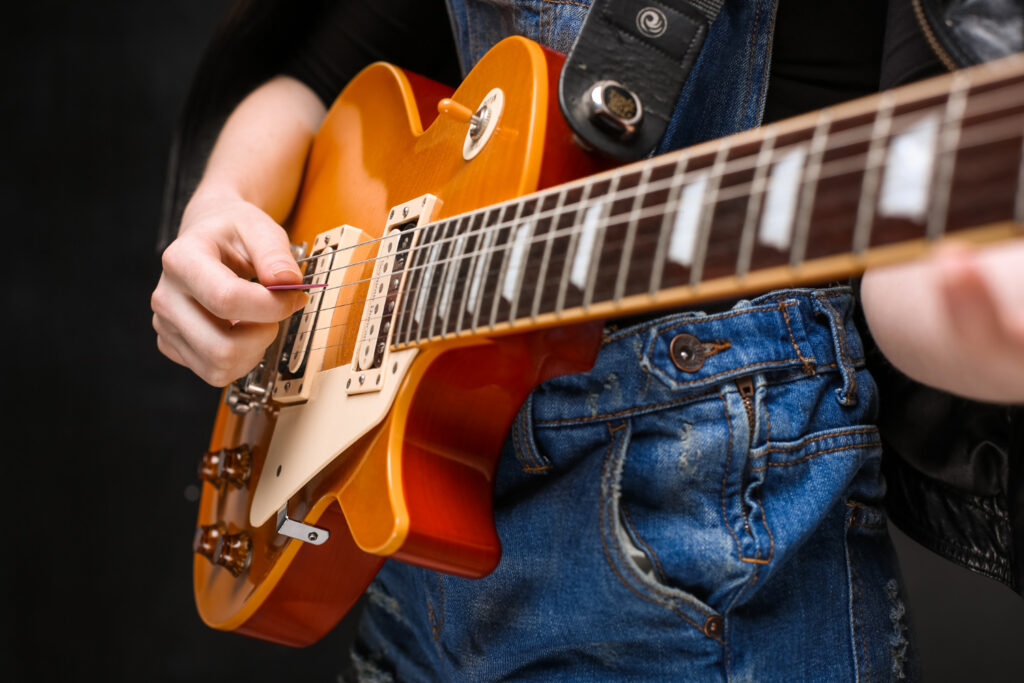
Transitioning from bass to guitar is an exciting journey for many musicians. Bass players often consider picking up the guitar because it allows them to expand their musical horizons, explore melody, and participate in new styles of playing. While many of the skills developed on bass carry over, moving to guitar comes with its own set of challenges. The string layout, chord shapes, and picking techniques are different, and the role of the instrument in a band can shift dramatically.
For bassists, this transition can feel both familiar and foreign at the same time. You already have a solid sense of rhythm and fretboard knowledge, but learning how to navigate chords and thinner strings takes patience. This article will provide practical guidance for making the bass to guitar switch efficiently, helping you retain your musical foundation while growing as a guitarist.
The Core Differences Between Bass and Guitar
The first step in the bass to guitar journey is understanding the mechanical and musical differences between the two instruments. Although both are stringed and share similar tuning for the lower four strings, there are some key distinctions that affect how you play.
Guitars typically have six strings, tuned E-A-D-G-B-E, whereas standard basses have four strings tuned E-A-D-G. While the first four strings mirror bass tuning, the additional B and high E strings introduce new interval patterns that can feel unfamiliar. Unlike the uniform fourths you’re used to on bass, the guitar’s B string breaks that pattern, requiring some adjustment when moving across the fretboard.
The physical scale of the guitar is also different. Guitar strings are thinner and closer together, which demands greater precision and a lighter touch. The shorter scale length brings frets closer together, making wide stretches easier than on bass, but also requiring a more delicate approach to avoid muting notes or creating unwanted buzzing.
Finally, playing style changes dramatically. Bassists often focus on single-note lines that lock in with the drummer, while guitarists frequently play chords and multi-note patterns. Learning to form chords, switch between them smoothly, and incorporate them into your rhythm playing is one of the biggest hurdles when moving from bass to guitar.
How Your Bass Skills Give You an Advantage?
Despite the challenges, bassists carry several advantages into the world of guitar. One of the biggest benefits is rhythm. Years of playing bass develop a strong internal sense of timing, which translates naturally to guitar strumming and chord changes. Your ability to keep steady time will make practicing and performing much easier than it is for a complete beginner.
Fretboard familiarity is another advantage. On a bass, you already know the positions of notes along the E, A, D, and G strings. This knowledge transfers directly to the guitar’s lower strings, so scales, arpeggios, and simple riffs can feel familiar. You’ll spend less time memorizing where notes are and more time focusing on hand coordination and chord shapes.
Finally, ear training and note recognition developed on bass help with improvisation and melodic playing on guitar. Recognizing intervals, chord tones, and bassline structures gives you a head start when learning lead guitar or harmonic concepts.
Adjusting Your Technique for Guitar
Moving from bass to guitar is not just about transferring knowledge—it also requires adapting your technique. Guitar strings are thinner and require a lighter touch. Bassists often press down firmly to get clear notes on thicker strings, but on guitar, pressing too hard can lead to sharp notes or fatigue. Learning to balance pressure with precision is essential.
Chord learning is another critical step. Unlike bass, which usually emphasizes single notes, guitar playing demands familiarity with open chords, barre chords, and eventually more complex shapes. Start with basic chords like E minor, A major, and D major to build comfort and gradually expand your repertoire. Smooth transitions between chords are crucial for maintaining rhythm, and this is where your bass timing skills become invaluable.
Picking technique also changes. Many bassists rely on fingerstyle plucking, but on guitar, using a pick is often preferred for speed and attack. Learning to hold and control a pick effectively takes practice, and starting with a medium-gauge pick is usually ideal for accuracy without causing hand fatigue.
Common Challenges Bassists Face on Guitar
Even with advantages, there are common pitfalls to watch out for when moving from bass to guitar. One of the most frequent issues is over-squeezing. Bassists tend to press harder than necessary, and doing so on lighter guitar strings can make notes sound sharp, cause discomfort, or tire out your hand prematurely.
Adapting to the wider tonal range and higher strings can also be tricky. Guitar plays a broader melodic and harmonic role than bass, and you may need time to feel comfortable exploring upper frets and higher notes.
Finally, hand coordination can be a challenge. Guitar demands simultaneous use of both hands in new ways, especially when forming chords, muting strings, or playing arpeggios. Building this coordination gradually with targeted exercises is essential for a smooth transition.
Step-by-Step Practice Tips for a Smooth Transition
To make the bass to guitar switch successful, structured practice is key. Begin with simple chords and scales to build confidence. Focus on clean finger placement and smooth transitions, using a metronome to keep timing tight.
Once comfortable with basic chords, gradually introduce more complex chords and riffs. Practice small sections repeatedly until they feel natural, then combine them into longer sequences. Finger agility exercises, such as chromatic scales and finger independence drills, can strengthen your hands for faster or more intricate passages.
It’s important to pace yourself. Progress may feel slow at first, but consistent practice, even in short daily sessions, will lead to steady improvement. Remember, the goal is not to play like a guitarist overnight but to transfer your bass skills while building new guitar-specific abilities.
Choosing the Right Guitar and Accessories for Bassists
Selecting the right guitar and accessories can make the transition smoother. For string gauge, medium-light strings are usually best for bassists starting on guitar, offering a balance between comfort and tone. Action (the height of the strings above the fretboard) should be adjusted so that fretting notes is easy without causing buzzing.
Comfortable picks and straps are also important. A medium-gauge pick provides control without requiring excessive force, and a padded strap can help balance a guitar comfortably, especially if you’re used to the weight distribution of a bass. Some bassists may also benefit from gear like finger exercises or practice amps designed for guitar to ease the learning curve.
Making the Switch Confidently
Transitioning from bass to guitar is a rewarding journey that expands your musical capabilities. By leveraging your existing rhythm and fretboard knowledge, adjusting your technique, and practicing consistently, you can navigate this switch successfully. Patience and experimentation are key—embrace mistakes as part of the learning process and take time to explore chords, scales, and new sounds.
Ultimately, moving from bass to guitar allows you to broaden your musical expression without losing the foundation you’ve built as a bassist. With the right mindset, tools, and practice approach, you can confidently step into your new role as a guitarist while keeping your bass skills intact.
FAQs
Is it easier to go from bass to guitar or guitar to bass?
Most bassists find guitar easier to learn because they already have rhythm, timing, and fretboard knowledge. Guitarists moving to bass may need to adjust to fewer strings and locking in with drums.
How long does it take for a bassist to learn basic guitar chords?
With consistent daily practice, most bassists can play basic open chords comfortably in 2–4 weeks. Barre chords may take longer.
Can I use the same finger strength from bass on guitar?
Yes, but guitar strings are lighter. You’ll need to adjust pressure to avoid sharp notes or fatigue.
Should I use a pick or my fingers when switching to guitar?
It depends on your style. Using a pick is common for rhythm and leads, but fingerstyle works too. Start with a medium-gauge pick to build control.
Do I need a special guitar if I’m a bassist switching?
Not necessarily. Medium-light strings, a comfortable strap, and proper action make the transition smoother, but any standard guitar works fine.