
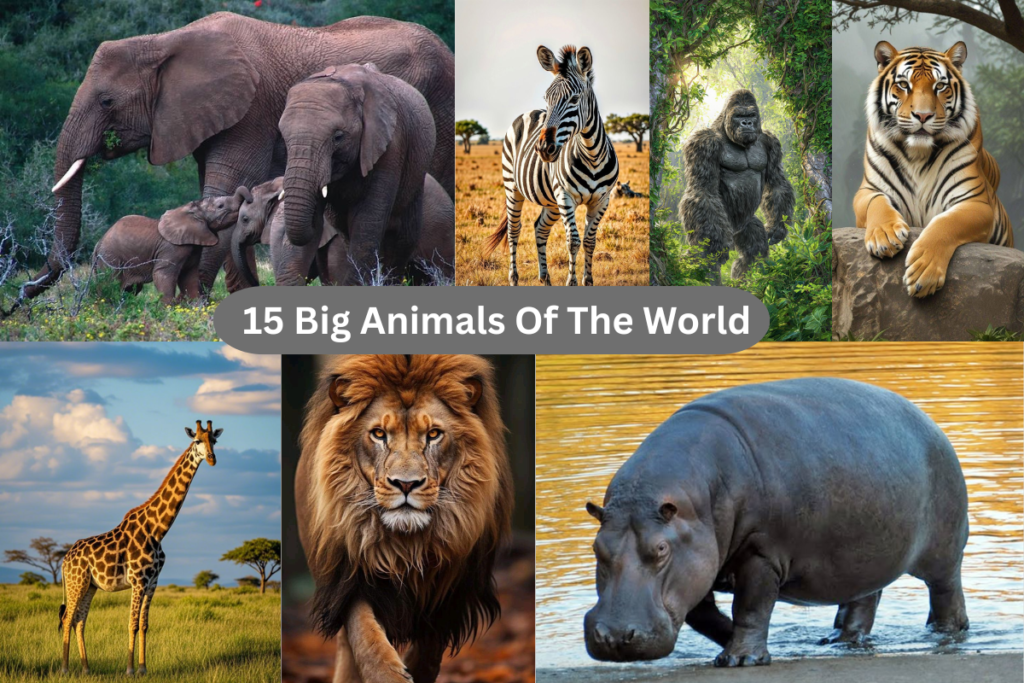
Big animals have always captured human attention because of their size, strength, and unique presence in nature. These animals play an important role in maintaining balance in ecosystems, from forests and grasslands to mountains and wetlands.
In this guide, we will explore what big animals are, where they live, and why they matter to our planet. The information is written in simple, clear language to help readers understand these animals in a natural and meaningful way.
15 Big Animals That Live On Land
1. Elephant
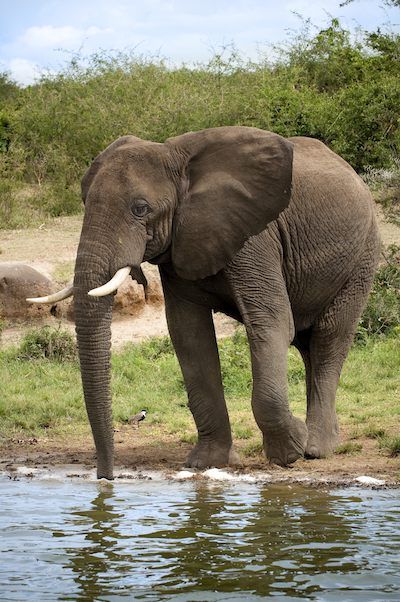
The elephant is the largest land animal in the world and is known for its intelligence and strong social bonds. Elephants live in groups and communicate using sounds, body language, and vibrations felt through the ground.
They are found mainly in Africa and Asia, where they play a key role in shaping their environment. By breaking trees and spreading seeds, elephants help maintain healthy ecosystems and support many other species.
2. Giraffe
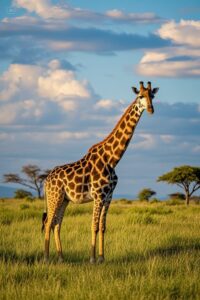
The giraffe is the tallest land animal, easily recognized by its long neck and long legs. This height allows giraffes to reach leaves high up in trees that other animals cannot access.
Giraffes live in African savannas and open woodlands, where they feed mainly on acacia leaves. Their feeding habits help control tree growth and support balance in their natural habitat.
3. Rhinoceros
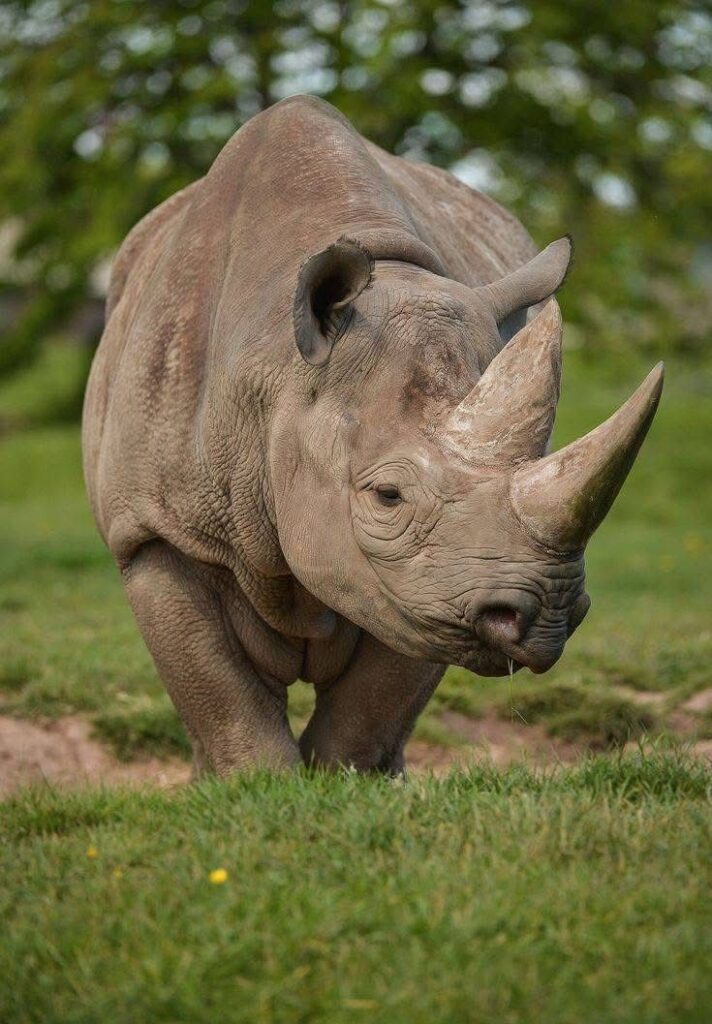
The rhinoceros is a large, powerful animal known for its thick skin and one or two horns on its nose. Despite their strong appearance, rhinos are generally calm and prefer to live alone or in small groups.
Rhinoceroses live in parts of Africa and Asia, where they graze on grass or browse leaves depending on the species. They help shape the landscape by controlling plant growth, which benefits other animals in the ecosystem.
4. Hippopotamus
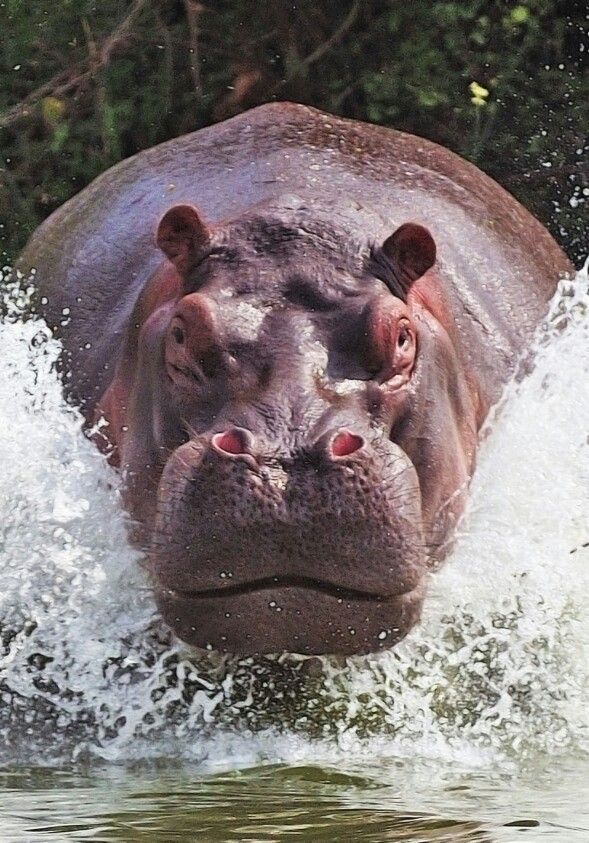
The hippopotamus is one of the heaviest land animals and spends much of its time in water to stay cool. Although it looks slow, a hippo can move quickly on land and is very protective of its territory.
Hippos live near rivers and lakes in Africa, where they feed on grass at night. Their movement between land and water helps transfer nutrients, supporting healthy river ecosystems.
5. African Buffalo
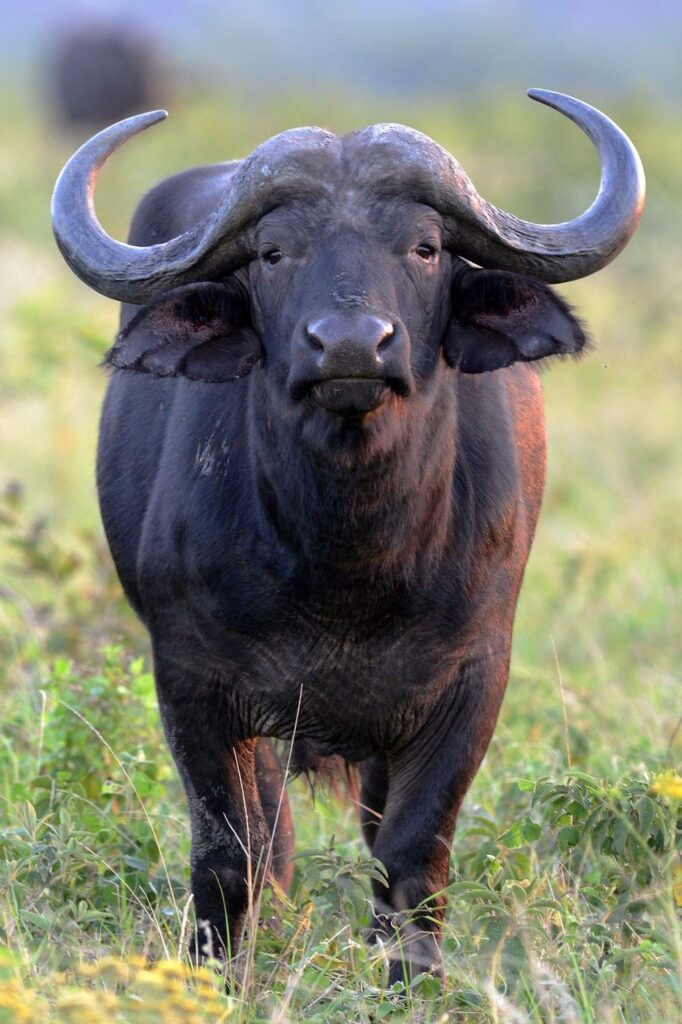
The African buffalo is a strong and social animal that lives in large herds across the African savannas. It is known for its curved horns and its ability to defend itself and other herd members from predators.
These animals spend most of their time grazing on grass near water sources. By grazing regularly, African buffalo help maintain grasslands and support a balanced environment for many other species.
6. Polar Bear
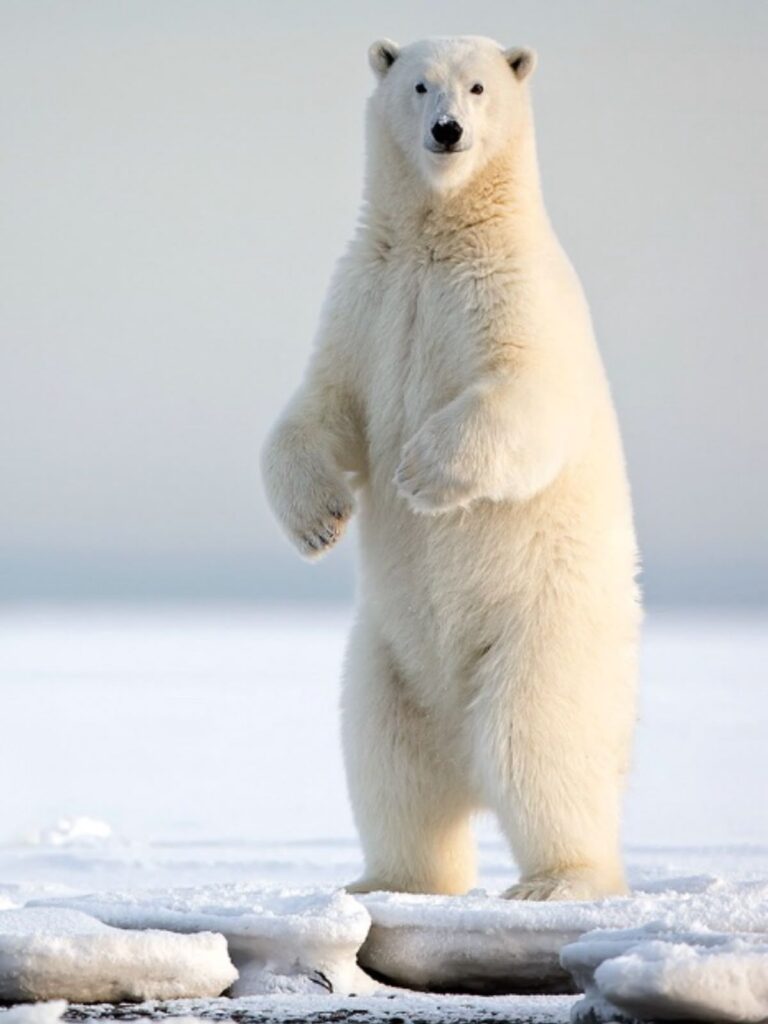
The polar bear is the largest land carnivore and is specially adapted to life in cold Arctic regions. Its thick fur and layer of body fat help it survive in freezing temperatures.
Polar bears rely mainly on seals for food and spend much of their time on sea ice. As top predators, they play an important role in maintaining balance within Arctic ecosystems.
7. Brown Bear
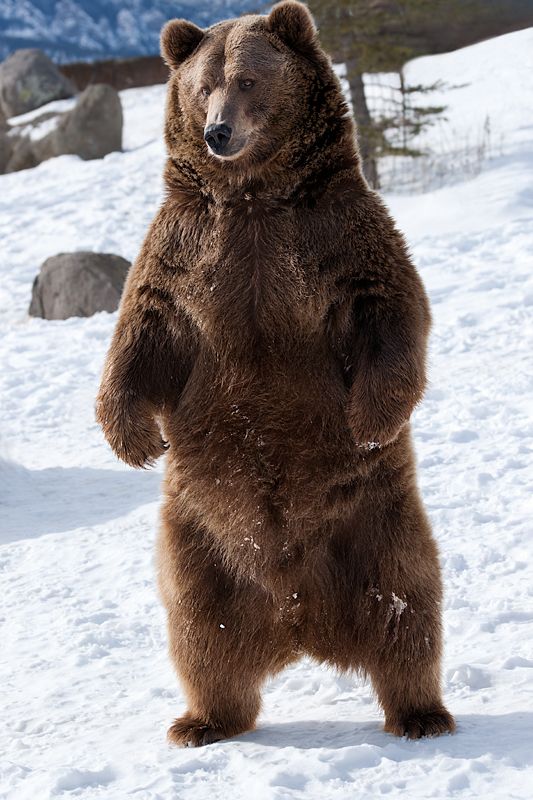
The brown bear is a large and adaptable animal found in forests, mountains, and tundra regions. It has strong limbs and sharp claws, which help it dig, hunt, and gather food.
Brown bears eat a varied diet that includes plants, fish, and small animals. This flexible feeding behavior allows them to survive in different environments while supporting natural ecological cycles.
8. Camel
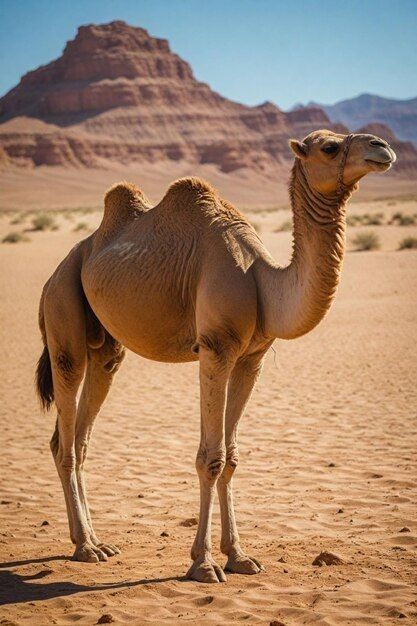
The camel is a large, resilient animal well-known for surviving in harsh desert environments. Its distinctive humps store fat, which can be converted into energy and water when resources are scarce.
Camels are native to the Middle East, North Africa, and parts of Asia. They play an important role for humans as transport animals and also help maintain desert ecosystems by grazing on sparse vegetation without causing overgrowth.
9. Horse
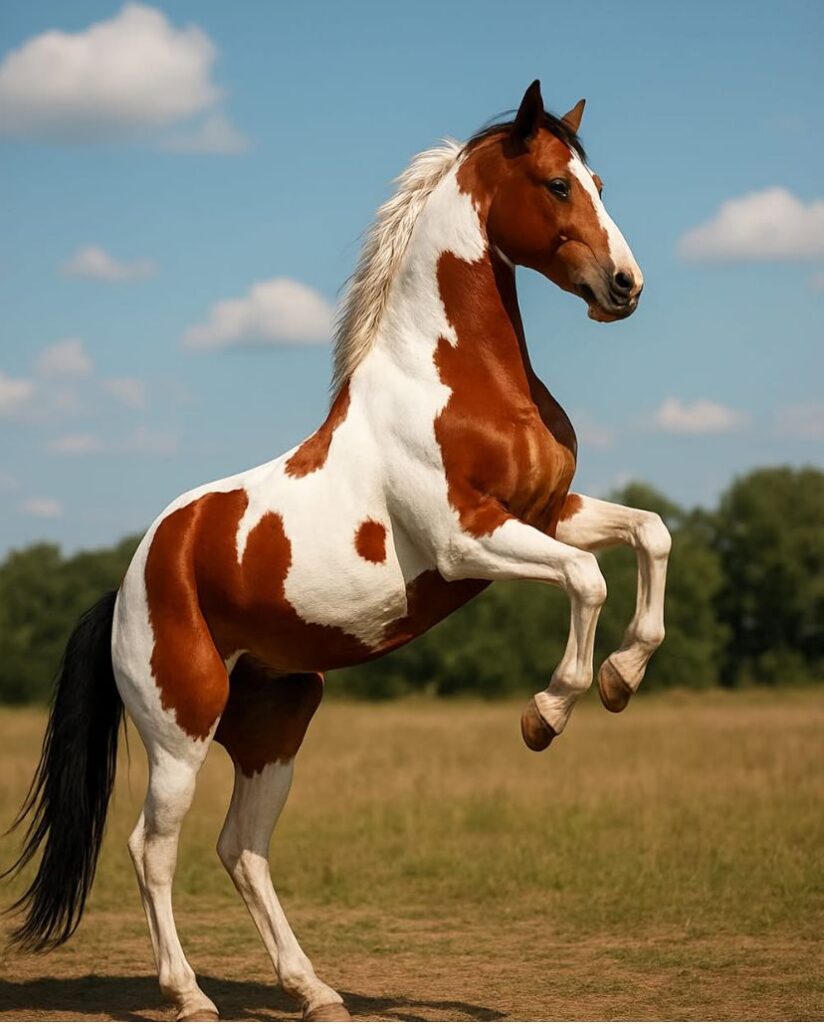
The horse is a strong and graceful animal that has been closely associated with humans for thousands of years. Known for its speed and endurance, horses can adapt to a variety of environments, from grasslands to mountains.
Horses are herbivores, feeding on grass and other vegetation. In the wild, they often live in herds, which provides protection and helps maintain balance in grassland ecosystems by controlling plant growth.
10. Cow
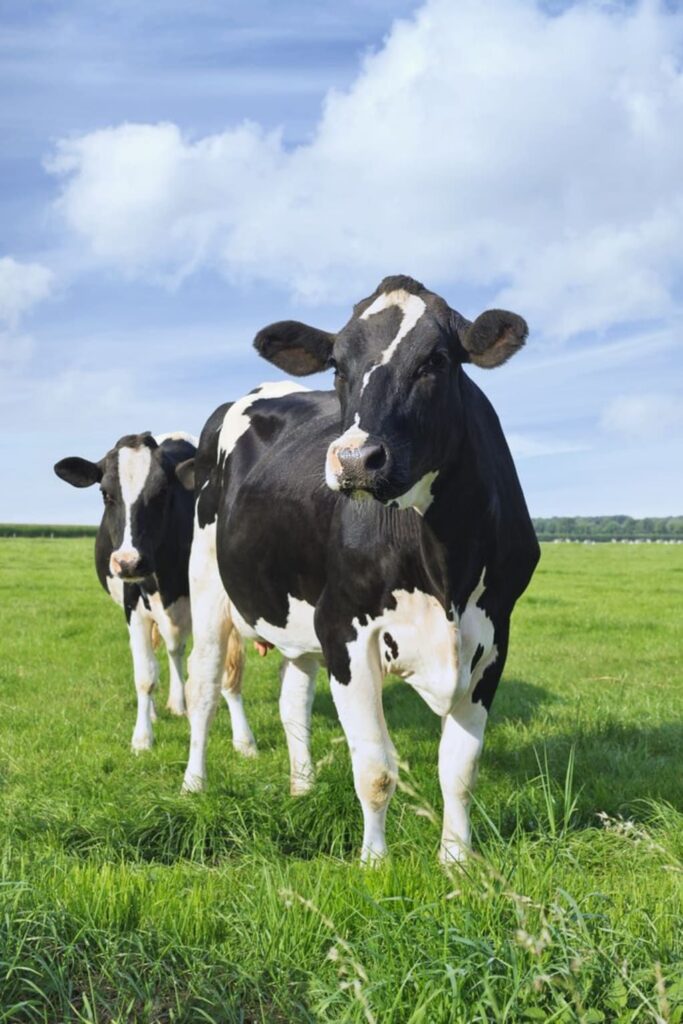
The cow is a large and gentle herbivore that has been domesticated for thousands of years. It is an important source of milk, meat, and leather for humans, but cows also play a role in natural ecosystems.
Cows primarily graze on grass, which helps manage vegetation and prevent overgrowth in pastures. In many regions, they are raised in herds, which supports soil health through natural fertilization as they move and feed.
11. Buffalo
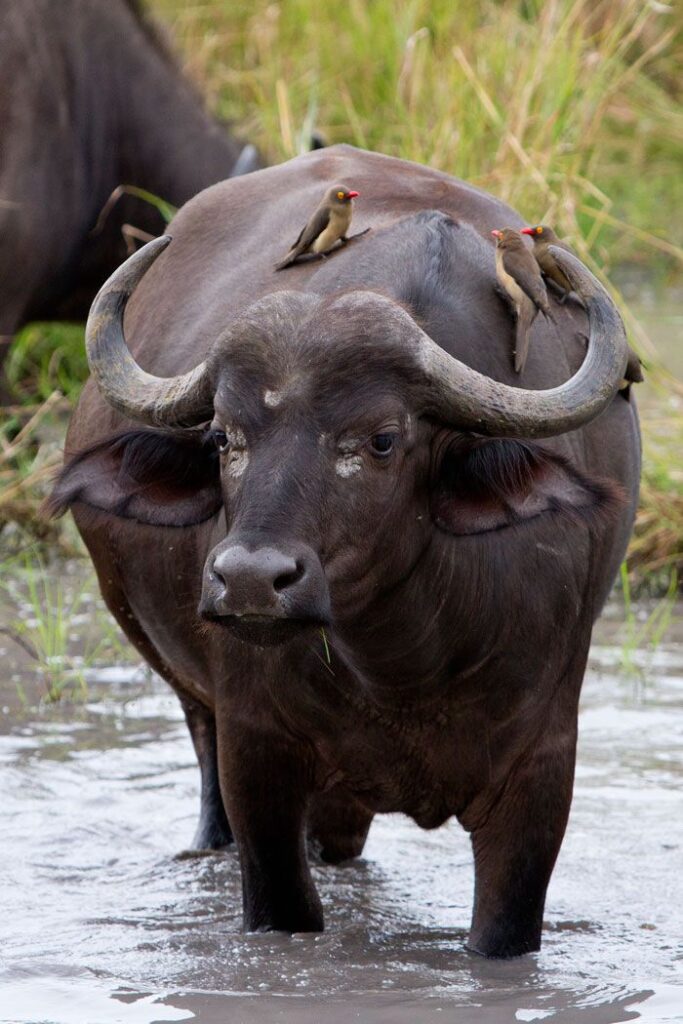
The buffalo, also called the water buffalo in some regions, is a strong and sturdy animal that thrives in wetlands, grasslands, and river areas. It is known for its large curved horns and muscular build.
Buffalo are herbivores, feeding mainly on grass and aquatic plants. By grazing and moving through marshes and rivers, they help maintain healthy ecosystems and support biodiversity by creating habitats for smaller animals and birds.
12. Lion
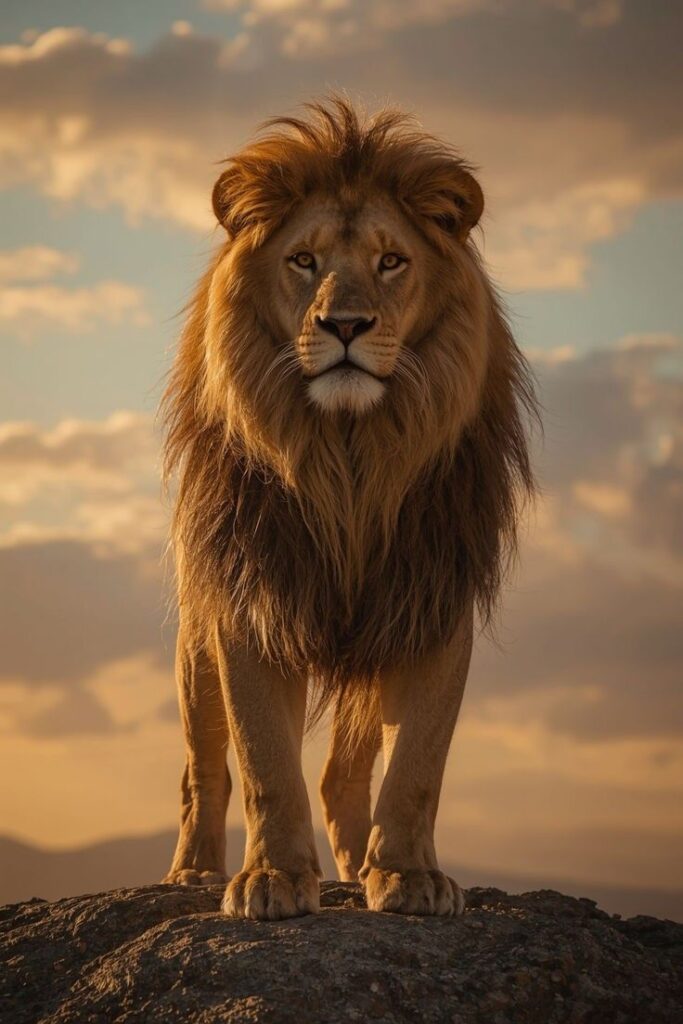
The lion, often called the “king of the jungle,” is a large and powerful predator known for its strength and social behavior. Lions live in groups called prides, which consist of related females, their cubs, and a few males.
They are carnivores, hunting animals like zebras, wildebeest, and antelopes. As top predators, lions play a crucial role in controlling prey populations, which helps maintain a balanced and healthy ecosystem.
13. Tiger
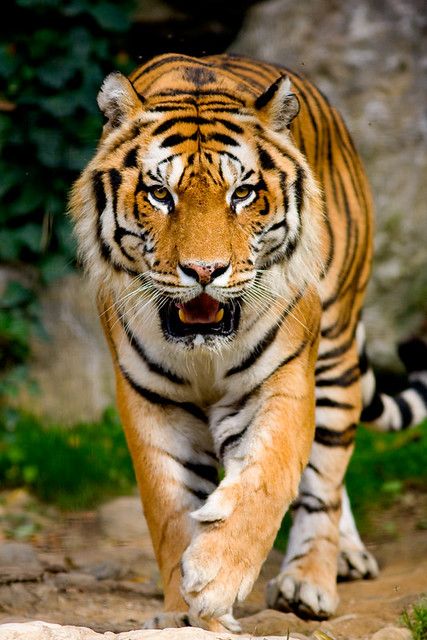
The tiger is the largest wild cat in the world, admired for its strength, agility, and striking orange coat with black stripes. Tigers are solitary hunters, relying on stealth and power to catch their prey.
They are found in forests and grasslands across Asia, where they feed on deer, wild boar, and other large animals. As apex predators, tigers help regulate populations of herbivores, supporting the overall health of their ecosystems.
14. Gorilla
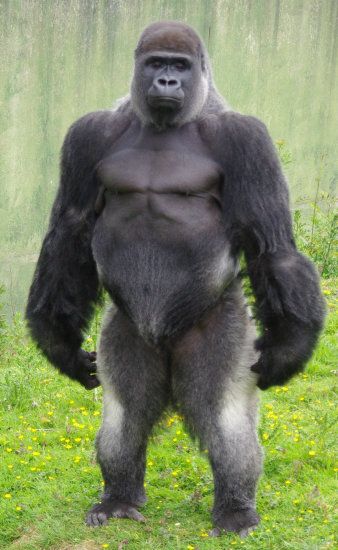
The gorilla is the largest primate and is known for its intelligence, gentle nature, and complex social structure. Gorillas live in family groups called troops, led by a dominant male known as a silverback.
They primarily eat leaves, fruits, and shoots, playing an important role in seed dispersal and forest regeneration. By maintaining healthy forests, gorillas support biodiversity and the survival of many other species in their habitat.
15. Zebra
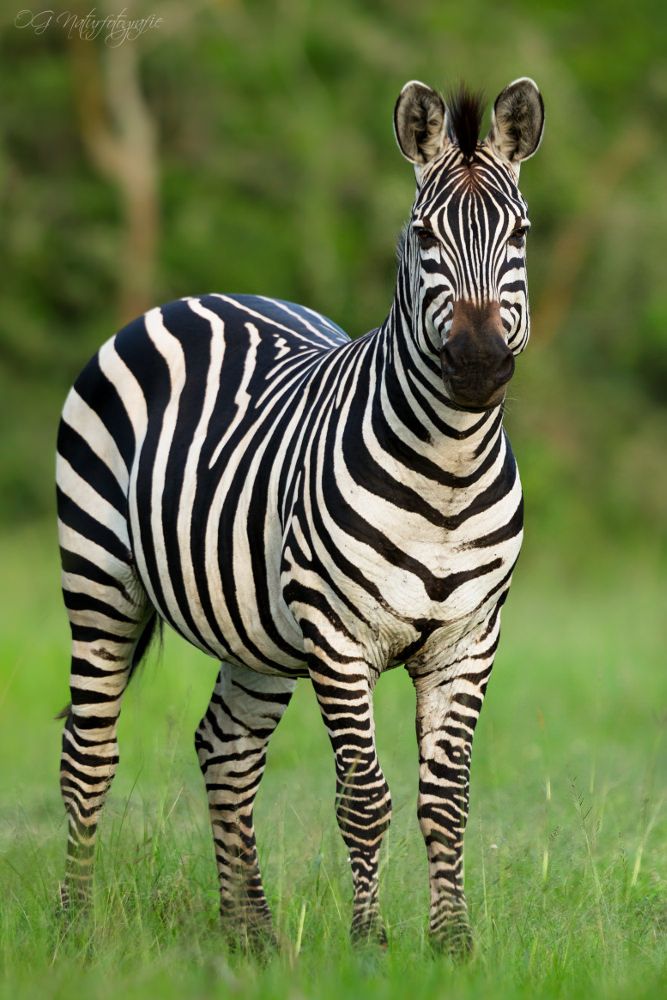
The zebra is a large herbivore famous for its distinctive black-and-white striped coat. These stripes are unique to each individual and help protect them from predators by creating visual confusion in groups.
Zebras live in African grasslands and savannas, where they graze on grasses and herbs. Their grazing habits help maintain healthy grasslands, prevent overgrowth, and support a balanced ecosystem for other animals.