Introduction
Every vehicle has a hidden hero working quietly to keep the air inside the cabin clean: the cabin air filter. This small but essential component plays a vital role in protecting passengers from dust, pollen, and other airborne pollutants that can make driving uncomfortable or even affect health. Despite its importance, many car owners overlook it until problems start to appear.
A dirty or clogged cabin air filter can lead to reduced airflow from vents, strange odors inside the car, and even stress on the vehicle’s heating, ventilation, and air conditioning (HVAC) system. Beyond just comfort, a neglected cabin air filter can compromise air quality and put unnecessary strain on your car’s ventilation system. Understanding what a cabin air filter does and how to maintain it can make a significant difference in your driving experience.
What a Cabin Air Filter Does and How It Works
The cabin air filter is designed to clean the air that enters the vehicle’s interior through the HVAC system. It catches dust, pollen, dirt, and even some bacteria or pollutants, preventing them from circulating inside the car. Without this filter, every particle from the outside world would find its way into the cabin, creating an uncomfortable and potentially unhealthy environment.
Cabin air filters vary in design and effectiveness. Standard filters are usually made of paper or fiber materials and are great at catching larger particles like dust and pollen. On the other hand, HEPA (High-Efficiency Particulate Air) filters offer advanced filtration, capturing much smaller particles and allergens, which is particularly beneficial for passengers with respiratory sensitivities. Choosing the right type depends on your environment and personal needs, but both serve the crucial purpose of maintaining cleaner air inside your vehicle.
Signs Your Cabin Air Filter Needs Replacing
Knowing when to replace your cabin air filter is essential for maintaining a healthy cabin environment. One of the first signs is reduced airflow from the vents. If the air coming from the HVAC system feels weaker than usual, the filter could be clogged with dirt and debris.
Another indicator is unusual odors inside the car. A musty or stale smell often develops when dust, moisture, and bacteria accumulate in a dirty filter. You may also notice increased dust settling on interior surfaces or heightened allergy symptoms, which points to the filter no longer effectively trapping particles.
Additionally, a clogged cabin air filter can impact HVAC system performance, forcing the system to work harder to push air through the filter. This can reduce efficiency and, in some cases, lead to higher energy consumption or wear on the HVAC components. Paying attention to these signs helps prevent larger issues and keeps the cabin air clean.
How Often to Replace Your Cabin Air Filter?
There isn’t a one-size-fits-all schedule for replacing a cabin air filter, but most manufacturers recommend changing it every 12,000 to 15,000 miles or roughly once a year. Environmental factors can influence this schedule significantly. For instance, drivers in dusty areas, regions with heavy pollen, or urban settings with high air pollution may need to replace their cabin air filter more frequently.
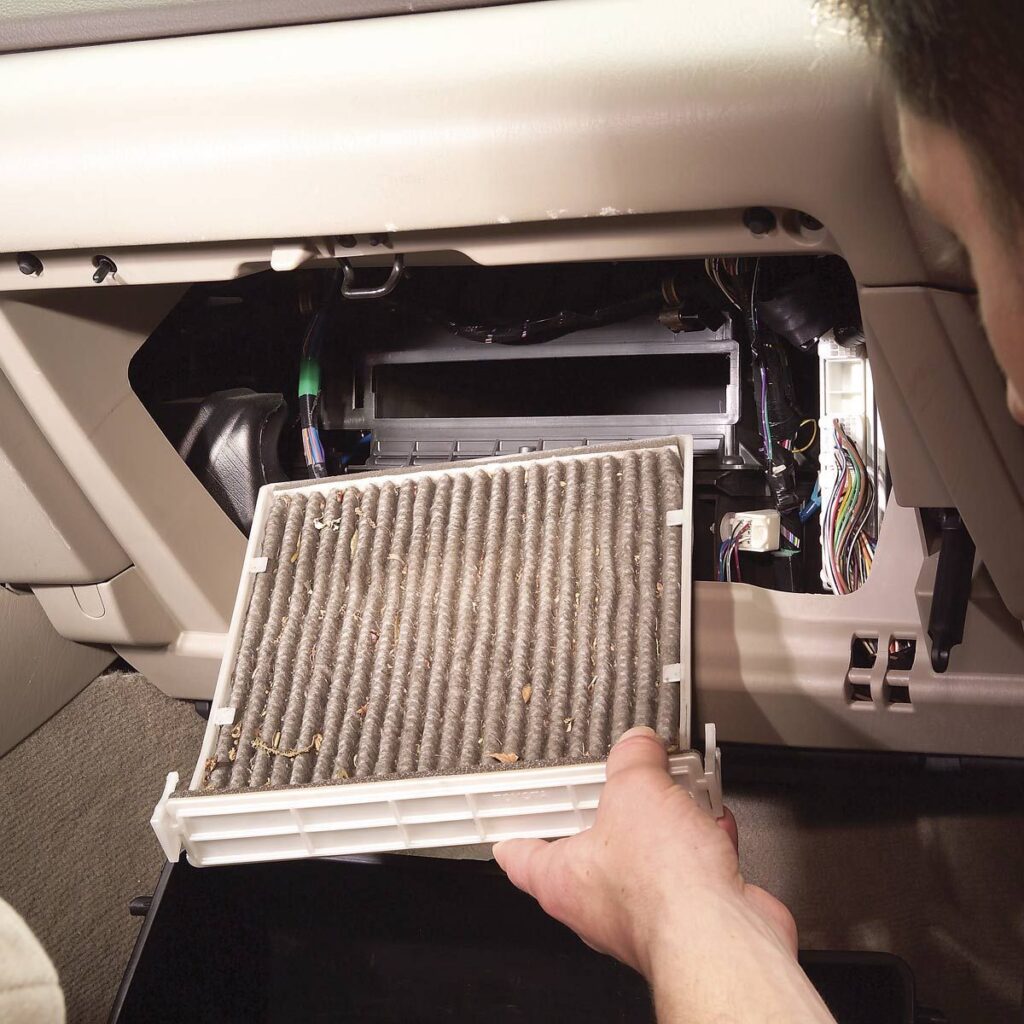
Regularly checking the filter yourself is a simple way to determine if replacement is necessary. If it looks dirty or clogged, it’s time for a change, even if the mileage recommendation hasn’t been reached. Simple maintenance can prevent airflow issues, improve air quality, and protect the HVAC system from unnecessary strain.
Step-by-Step Guide to Replacing a Cabin Air Filter
Replacing a cabin air filter is generally straightforward and can be done at home with minimal tools. Most vehicles require only a screwdriver or sometimes just hand access to the filter compartment, which is often located behind the glove box or under the dashboard.
First, gather the necessary tools and a replacement filter suitable for your car model. Begin by opening the glove compartment or access panel, carefully removing the old filter. Pay attention to the airflow direction indicated on the filter housing, as installing it backward can reduce efficiency. Slide in the new filter, ensuring it sits securely, and close the compartment.
Common mistakes include forcing the filter into place, neglecting to follow the airflow direction, or skipping regular replacement intervals. By taking a careful approach, even beginners can maintain optimal air quality and avoid unnecessary wear on the ventilation system.
Choosing the Right Cabin Air Filter for Your Vehicle
Not all cabin air filters are created equal, and selecting the right one ensures maximum protection and efficiency. The first step is to check your vehicle’s specifications, which indicate the correct size and type of filter compatible with your car. Using an incorrect filter can reduce airflow or fail to capture pollutants effectively.
When comparing options, consider filtration efficiency, cost, and durability. HEPA filters may be more expensive but offer superior particle removal, while standard filters are sufficient for areas with less dust or pollen. Additionally, consider environmental and health factors; for instance, some filters contain activated carbon to reduce odors and harmful gases. Making an informed choice balances performance, longevity, and passenger well-being.
Benefits of a Clean Cabin Air Filter
A clean cabin air filter offers several tangible benefits. It improves the air quality inside the car, reducing the presence of dust, pollen, and other allergens. This contributes to healthier breathing for all passengers, particularly those with respiratory sensitivities.
Maintaining a clean filter also supports HVAC system efficiency. Air flows more freely, allowing the system to reach the desired temperature quickly without overworking. This can even have a minor positive effect on fuel economy, as the engine expends less energy powering the ventilation system. Additionally, a clean filter reduces wear on HVAC components, helping prevent costly repairs over time.
DIY Maintenance Tips to Extend Filter Life
Extending the life of your cabin air filter is mostly about good habits. Keeping the interior clean, avoiding smoking inside the car, and regularly vacuuming can reduce the amount of debris reaching the filter. Seasonal considerations matter as well; in spring, pollen levels are high, and in fall, fallen leaves can add extra dust and dirt.
Routine inspections are simple and effective. A visual check every few months can reveal if the filter is clogged or overly dirty. If you notice persistent issues, such as strong odors or reduced airflow despite a relatively new filter, it may be time to seek professional inspection. Preventive maintenance is key to ensuring the filter continues to perform well.
Conclusion
Cabin air filters may be small, but their impact on air quality, comfort, and vehicle health is significant. A clean, properly functioning filter protects passengers from dust and allergens, supports HVAC efficiency, and extends the life of your car’s ventilation system.
By understanding what a cabin air filter does, recognizing the signs of wear, and replacing it on time, drivers can ensure a healthier and more comfortable ride. With a few simple checks and maintenance habits, maintaining clean cabin air is an easy step that offers big benefits. Investing attention in this small component ensures every drive is a cleaner, more enjoyable experience.
FAQs
How often should I replace my cabin air filter?
Most cars need replacement every 12,000–15,000 miles or about once a year, but dusty or high-pollen areas may require more frequent changes.
Can I clean a cabin air filter instead of replacing it?
Some filters can be lightly cleaned, but most paper and HEPA filters should be replaced to maintain full efficiency.
Does a dirty cabin air filter affect my car’s AC?
Yes, a clogged filter reduces airflow, strains the HVAC system, and can lead to higher energy use and uneven cooling.
What type of cabin air filter is best for allergies?
HEPA filters are the most effective at trapping pollen, dust, and allergens, making them ideal for sensitive passengers.
Can I replace a cabin air filter myself?
Yes, most vehicles allow DIY replacement in 10–15 minutes with minimal tools. Always check your car manual for guidance.