
Introduction
If you’ve ever noticed flakes on your shoulders or an itchy scalp, you probably wondered, can dandruff cause hair loss? Many people assume that flaking automatically leads to thinning hair or bald patches, but the connection isn’t always straightforward. Understanding how dandruff affects your scalp and hair is key to knowing when it might contribute to hair shedding and when it’s likely unrelated.
This article will guide you through the relationship between dandruff and hair loss. We’ll explore what dandruff really is, how it can affect your hair, and the steps you can take to care for your scalp. By the end, you’ll have a clearer picture of whether your flakes are just a cosmetic concern or a factor in your hair health.
Understanding Dandruff and Scalp Health
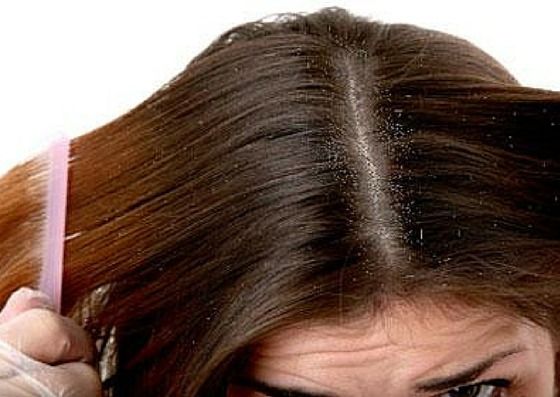
Dandruff is a common scalp condition that causes skin cells to shed more quickly than usual, leading to visible flakes. While it’s usually not serious, dandruff can be uncomfortable and, in some cases, affect the overall health of your hair.
Several factors can trigger dandruff. Dry skin is a frequent cause, as it makes the scalp more prone to flaking. Oily skin, combined with a yeast-like fungus called Malassezia, can also cause dandruff by irritating the scalp and increasing cell turnover. Other triggers include stress, weather changes, and the use of harsh hair products that strip natural oils.
Maintaining a healthy scalp is essential for strong, healthy hair. A balanced scalp provides the nutrients and environment that hair follicles need to grow normally. When the scalp is inflamed, itchy, or excessively dry, it can disrupt the natural hair growth cycle, sometimes leading to hair shedding.
The Connection Between Dandruff and Hair Loss
So, can dandruff cause hair loss? In most cases, dandruff alone does not directly make hair fall out. However, the irritation and scratching associated with dandruff can indirectly contribute to hair shedding.
Inflammation is one key factor. When the scalp becomes irritated due to flakes, it can cause temporary stress on the hair follicles. Constant itching and scratching may damage hair shafts, leading to breakage or the appearance of thinning hair. This kind of hair loss is usually temporary and often resolves once the scalp is treated.
It’s also important to distinguish between temporary shedding and long-term hair loss. Flaking and scalp irritation may cause short-term shedding, but they rarely result in permanent bald spots. Persistent hair loss is more often linked to other underlying issues, such as genetics, hormones, or medical conditions.
Types of Hair Loss Linked to Dandruff Issues
There are a few specific ways dandruff can be connected to hair shedding. Excessive scratching is one. When you scratch repeatedly to relieve itching, you can weaken hair strands at the root, causing them to break and fall. Over time, this can make hair appear thinner, even if the follicles are still healthy.
Another type of hair shedding linked to scalp stress is called telogen effluvium. This occurs when the hair growth cycle is disrupted by physical or emotional stress. Severe dandruff or ongoing scalp inflammation can act as a stressor, pushing more hairs than usual into the shedding phase.
Sometimes, dandruff itself is a symptom of a more serious scalp condition, such as psoriasis or seborrheic dermatitis. In these cases, hair loss may occur if the underlying condition is left untreated. Recognizing when dandruff signals something more serious is crucial for preventing permanent damage.
When Dandruff Is Not the Real Cause of Hair Loss?
It’s easy to assume that flakes are the reason for thinning hair, but often, dandruff is not the main culprit. Genetic hair loss, for example, follows a predictable pattern and is unrelated to scalp flakes. Men and women may notice receding hairlines or thinning at the crown, even with a perfectly healthy scalp.
Hormonal imbalances, poor nutrition, stress, and certain medical conditions can also trigger hair loss independently of dandruff. For instance, thyroid issues or deficiencies in iron or protein can weaken hair and cause shedding.
Paying attention to patterns and other symptoms can help you determine whether dandruff is truly contributing to hair loss. If flakes are present but hair thinning follows a distinct pattern, the cause may lie elsewhere. Understanding these signs helps avoid unnecessary worry and ensures that the right treatments are applied.
How Treating Dandruff Can Help Reduce Hair Shedding?
While dandruff might not directly cause permanent hair loss, addressing it can improve the overall health and appearance of your hair. Treating dandruff reduces inflammation and itching, which in turn minimizes hair breakage from scratching. A calm, balanced scalp provides a better environment for hair growth.
Restoring scalp balance often involves using gentle shampoos designed to reduce flaking and irritation. Ingredients like zinc pyrithione, ketoconazole, or selenium sulfide can help control the factors that trigger dandruff. Maintaining scalp health consistently can prevent temporary shedding and keep your hair looking thicker and healthier.
It’s important to have realistic expectations. While treating dandruff can stop additional shedding and improve hair quality, it may not reverse long-term hair loss caused by genetics or medical conditions. The focus should be on supporting scalp health rather than expecting miraculous regrowth.
Warning Signs That Require Medical Attention
Most dandruff cases are mild and manageable, but certain symptoms signal that professional care may be necessary. Persistent dandruff accompanied by redness, swelling, or pain could indicate a more serious condition such as psoriasis, fungal infection, or dermatitis.
Sudden or excessive hair loss is another red flag. Losing large amounts of hair over a short period is not typical for dandruff-related shedding and should prompt a consultation with a dermatologist.
If your scalp issues do not improve with over-the-counter treatments, or if flakes are severe and long-lasting, seeking medical advice ensures proper diagnosis and treatment. Early intervention can prevent further hair damage and maintain scalp health.
Preventing Dandruff-Related Hair Problems
Preventing scalp issues and protecting your hair involves consistent care and gentle habits. Keeping the scalp clean without over-washing helps maintain natural oils that support healthy hair. Avoiding harsh shampoos and heat styling reduces irritation that can worsen dandruff.
Grooming practices matter too. Using a soft brush and gentle styling techniques prevents unnecessary hair breakage. Regularly massaging the scalp can improve blood flow and support hair follicles, while staying hydrated and eating a balanced diet contributes to overall scalp and hair health.
A long-term mindset is essential. Treating dandruff is not a one-time fix; consistent care over months helps prevent recurrence and protects your hair from damage. By combining healthy habits with proper treatment, you can reduce shedding and support stronger hair growth.
Conclusion
So, can dandruff cause hair loss? The answer is nuanced. While dandruff alone rarely causes permanent hair loss, it can contribute to temporary shedding through itching, scratching, and scalp inflammation. Understanding this distinction is important for protecting your hair while addressing flakes effectively.
Treating dandruff, maintaining scalp health, and being aware of other potential hair loss factors can help keep your hair strong and reduce unnecessary shedding. By learning how your scalp affects your hair, you can take practical steps to support both scalp comfort and hair appearance, without unnecessary worry or fear.
FAQs
Can dandruff directly cause permanent hair loss?
No. Dandruff itself rarely causes permanent hair loss. Hair shedding usually happens due to scratching or scalp inflammation.
How can I tell if my hair loss is from dandruff or something else?
If hair thinning follows a pattern (like a receding hairline) or is excessive, it may be unrelated to dandruff. Persistent flakes with scalp irritation can cause temporary shedding.
Will anti-dandruff shampoo stop hair loss?
Anti-dandruff shampoo can reduce scalp irritation and flaking, which may prevent breakage and temporary shedding. It won’t reverse genetic or medical hair loss.
When should I see a doctor for dandruff-related hair shedding?
If you notice sudden hair loss, severe flakes with redness or pain, or no improvement after weeks of treatment, consult a dermatologist.
Can lifestyle changes help reduce hair shedding from dandruff?
Yes. Eating well, reducing stress, staying hydrated, and following a gentle scalp care routine can minimize shedding and support healthy hair growth.