
Introduction
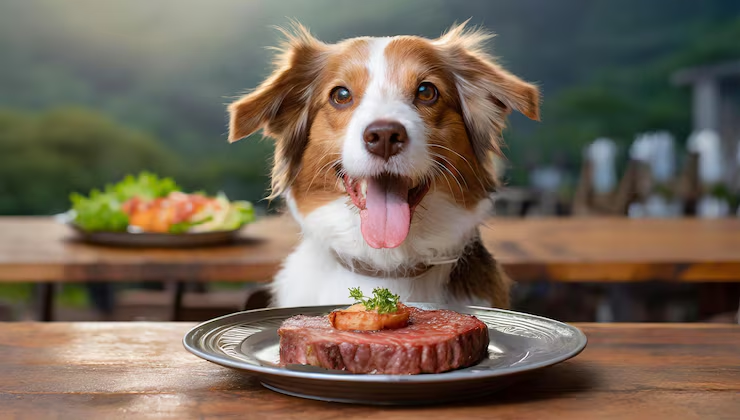
Many dog owners have wondered the same question while making breakfast: can dogs eat bacon? When a dog smells bacon cooking, it is almost impossible for them not to beg for a bite. The strong smell and rich flavor make bacon one of the most tempting foods for dogs. Because dogs often eat many different human foods, some owners assume bacon must be safe too.
The simple answer is that bacon is not toxic to dogs, but it is also not a healthy food for them. While a small piece once in a while may not cause serious harm, bacon contains very high levels of fat and salt. These ingredients can be difficult for a dog’s digestive system and may lead to health problems if eaten regularly.
The main concerns with feeding bacon to dogs include high fat content, high sodium levels, and digestive risks. In some cases, eating fatty foods like bacon can even trigger serious conditions such as pancreatitis. Processed meats can also expose dogs to excessive salt or harmful bacteria if the bacon is raw.
This article explains everything dog owners should know about the question “can dogs eat bacon.” You will learn why dogs are attracted to bacon, what makes it unhealthy for them, the risks involved, and what to do if your dog accidentally eats some. Most importantly, you will also discover safer and healthier treat options that dogs can enjoy without risking their health.
Understanding Bacon and Why Dogs Are Attracted to It
Dogs have an extremely strong sense of smell, far stronger than humans. Bacon produces a powerful aroma when it cooks, mainly because of its fat content and the curing process used to prepare it. For dogs, this smell signals a high-energy food source, which naturally grabs their attention.
In the wild, animals often look for foods rich in fat because fat provides a large amount of energy. Even though domestic dogs no longer need to hunt for food, their instincts still remain. When they smell bacon, their natural response is to see it as something valuable and delicious.
Another reason dogs love bacon is its texture and flavor. Bacon is salty, rich, and packed with flavor that appeals to a dog’s taste preferences. Many processed meats also contain flavor enhancers, which make them even more appealing.
However, just because dogs enjoy bacon does not mean it is good for them. Many foods that taste great to dogs can actually be harmful if eaten regularly. This is why understanding what bacon contains and how it affects a dog’s body is important before deciding whether to share it.
Nutritional Composition of Bacon and Why It Matters for Dogs
Bacon is made from pork that has been cured and often smoked. During this process, salt and preservatives are added to extend the shelf life and enhance the flavor. While this makes bacon tasty for humans, it also makes it less suitable for dogs.
One of the biggest concerns is the high fat content. Bacon contains a large amount of saturated fat. Dogs do need fat in their diet, but too much fat can overwhelm their digestive system and lead to stomach problems.
Bacon is also extremely high in sodium. Salt is used during curing, and the final product often contains far more sodium than a dog’s body needs. Excessive salt can place stress on a dog’s organs and lead to dehydration or more serious issues.
In addition, bacon may contain preservatives, seasonings, or flavor additives that are not ideal for dogs. These ingredients are designed for human taste preferences and are not part of a balanced canine diet.
Because of these nutritional factors, bacon does not provide the kind of healthy nutrients dogs need. While it does contain protein, the high fat and salt levels outweigh any potential benefits.
Health Risks Linked to Feeding Bacon to Dogs
When dog owners ask “can dogs eat bacon,” the main concern is not toxicity but the potential health risks. Feeding bacon occasionally in very small amounts may not harm a healthy dog, but regular consumption can lead to several problems.
The high fat level in bacon can upset a dog’s stomach. Some dogs may experience vomiting, diarrhea, or stomach discomfort after eating fatty foods. Dogs with sensitive digestive systems are especially likely to have problems.
Another issue is weight gain. Bacon is calorie-dense, and frequent treats can quickly add extra calories to a dog’s diet. Over time, this may contribute to obesity, which increases the risk of other health conditions such as joint problems and heart disease.
Processed meats also contain high sodium levels. Too much salt can disrupt the balance of fluids in a dog’s body and may cause dehydration or excessive thirst.
Although a small piece of bacon is unlikely to cause serious harm for most dogs, the overall health risks make it a poor choice as a regular treat.
Pancreatitis in Dogs and the Role of High-Fat Foods
One of the most serious risks associated with feeding bacon to dogs is pancreatitis. This condition occurs when the pancreas becomes inflamed. The pancreas is responsible for producing enzymes that help digest food.
High-fat foods are one of the most common triggers of pancreatitis in dogs. When a dog eats something very fatty, the pancreas has to work harder to process it. In some cases, this extra strain can lead to inflammation.
Pancreatitis can be very painful and may require veterinary treatment. Dogs with pancreatitis often show symptoms such as vomiting, diarrhea, loss of appetite, and abdominal pain. They may also appear tired or unwilling to move.
In severe cases, pancreatitis can become life-threatening. Dogs that have previously experienced pancreatitis are often placed on low-fat diets to prevent future episodes.
Because bacon contains such a high level of fat, it is one of the foods that veterinarians commonly recommend avoiding.
Sodium and Salt Toxicity Risks From Processed Meats
Another reason veterinarians warn against feeding bacon to dogs is its sodium content. Processed meats like bacon contain a significant amount of salt because they are cured during production.
Dogs require only a small amount of sodium in their diet. When they consume too much salt, their bodies may struggle to maintain the correct balance of fluids and electrolytes.
In mild cases, excessive salt intake may cause a dog to become very thirsty and drink large amounts of water. This can lead to increased urination and temporary discomfort.
In more severe situations, extremely high sodium levels can cause salt poisoning, also known as sodium ion toxicosis. Symptoms may include vomiting, tremors, confusion, or seizures.
While a small piece of bacon usually does not contain enough salt to cause poisoning, regularly feeding salty foods can gradually increase health risks.
The Additional Dangers of Feeding Raw Bacon
Some dog owners may believe raw meat is more natural for dogs. However, feeding raw bacon carries its own set of dangers.
Raw pork products can sometimes contain parasites such as Trichinella spiralis, which can cause a disease known as trichinosis. Although modern food safety practices have reduced the risk, it is still a possibility.
Raw bacon can also contain harmful bacteria like Salmonella. These bacteria may cause digestive illness in dogs and can also pose a risk to humans who handle contaminated food.
Cooking bacon reduces some bacterial risks, but it does not remove the high fat and salt levels that make it unhealthy for dogs.
For these reasons, raw bacon should never be intentionally given to dogs.
How Much Bacon Is Too Much for a Dog?
When discussing can dogs eat bacon, the quantity matters. A tiny piece of cooked bacon given rarely may not cause harm to a healthy dog. However, the size of the dog and the frequency of feeding both play an important role.
Small dogs are more sensitive to fatty or salty foods because their bodies are smaller. Even a single slice of bacon may contain more fat and sodium than they should consume in one sitting.
Large dogs may tolerate slightly larger portions, but this does not mean bacon should become a regular part of their diet.
As a general rule, treats should make up only a small portion of a dog’s daily food intake. Bacon is better avoided entirely or limited to a very occasional taste.
Signs Your Dog May Be Having a Bad Reaction to Bacon
After eating bacon, some dogs may show signs that their body is not handling the food well. Dog owners should watch carefully for any unusual symptoms.
Common signs of digestive upset include vomiting, diarrhea, or stomach discomfort. A dog may also seem restless, tired, or unwilling to eat.
If the dog has consumed a large amount of bacon, more serious symptoms could appear. These may include severe vomiting, a swollen abdomen, excessive thirst, or weakness.
These symptoms can sometimes indicate pancreatitis or another digestive problem. If a dog begins showing concerning signs after eating bacon, it is important to seek veterinary advice as soon as possible.
What to Do If Your Dog Accidentally Eats Bacon?
Dogs are quick, and it is not uncommon for them to grab food from the table or counter. If your dog manages to eat bacon unexpectedly, the first step is to stay calm.
If the dog only ate a small cooked piece, there is usually no need to panic. Most healthy dogs will be fine after eating a small amount. However, it is wise to monitor your dog closely for the next 24 hours.
Watch for symptoms such as vomiting, diarrhea, or changes in behavior. If the dog seems normal and continues eating and drinking as usual, the bacon likely did not cause any serious issues.
If your dog ate a large quantity of bacon or begins showing symptoms of illness, contact your veterinarian for guidance. Professional advice is always the safest option when a pet may have eaten something unhealthy.
Healthier Alternatives to Bacon for Treating Your Dog
If your dog enjoys the flavor of meat, there are many healthier treats available. Lean, unseasoned meats such as cooked chicken breast or turkey can provide protein without the excessive fat and salt found in bacon.
Some dogs also enjoy crunchy vegetables like carrots or green beans. These foods are low in calories and provide useful nutrients.
There are also dog-specific treats designed to imitate the smoky flavor of bacon without the harmful levels of fat and sodium. These products are created with canine nutrition in mind.
Choosing healthier treats allows dogs to enjoy a reward while still maintaining a balanced diet.
Tips for Choosing Safe Human Foods for Dogs
Many human foods are safe for dogs when given in moderation. However, it is always important to consider whether a food contains excessive salt, fat, sugar, or harmful ingredients.
Plain, unseasoned foods are usually the safest choice. Cooked lean meats, certain fruits, and some vegetables can be good occasional treats.
On the other hand, highly processed foods should generally be avoided. These foods often contain preservatives, flavorings, and salt levels that are not appropriate for dogs.
Whenever you are unsure about a particular food, it is best to research it or consult a veterinarian before offering it to your pet.
Conclusion
So, can dogs eat bacon? The short answer is that while bacon is not toxic to dogs, it is not a recommended treat. Its high fat and salt content can cause digestive problems and may even lead to serious health issues such as pancreatitis if consumed frequently.
Although a small piece of bacon once in a while may not harm a healthy dog, it should never become a regular part of a dog’s diet. There are many safer options available that provide flavor and enjoyment without the health risks.
Choosing healthier treats and maintaining a balanced diet will help keep dogs active, comfortable, and healthy for years to come. By understanding the risks and making informed feeding decisions, dog owners can ensure their pets enjoy treats safely and responsibly.
FAQs
Can dogs eat cooked bacon?
Dogs can eat a tiny piece of cooked bacon occasionally, but it should not become a habit. Bacon contains high levels of fat and salt that are unhealthy for dogs.
Is bacon fat bad for dogs?
Yes, bacon fat is especially unhealthy for dogs. It is very rich and can cause digestive problems or even trigger pancreatitis in some dogs.
What happens if my dog eats bacon?
If your dog eats a small amount, they will likely be fine. However, large amounts may cause vomiting, diarrhea, stomach pain, or other digestive issues.
Can puppies eat bacon?
Puppies should not eat bacon. Their digestive systems are more sensitive, and fatty or salty foods can easily upset their stomach.
What meat is safer for dogs than bacon?
Lean meats like plain cooked chicken, turkey, or lean beef are much safer options because they contain less fat and sodium.