
Introduction
Capocollo is one of those traditional Italian foods that feels simple at first glance but offers deep flavor and history once you learn more about it. If you have ever enjoyed an Italian deli sandwich, a charcuterie board, or an antipasto platter, chances are you have already tasted capocollo without even realizing it. This dry-cured pork cold cut is loved for its tender texture, beautiful marbling of fat, and rich, savory taste that almost melts in your mouth.
Originally from Italy, capocollo is made from pork taken from the muscle that runs between the pig’s neck and shoulder. Over time, it is carefully seasoned, cured, and aged until it develops its signature flavor and firm yet silky texture. Depending on the region, it may be called coppa, capicola, or even the famous Italian-American slang name “gabagool.” While it may look similar to meats like prosciutto or salami, capocollo stands out because of its specific cut of meat and unique curing process.
Today, capocollo remains popular around the world. It appears in delis, specialty shops, and home kitchens, where it adds a bold, authentic Italian touch to many dishes. Understanding what makes capocollo special helps you appreciate not only its taste but also the long tradition behind it.
What Is Capocollo? Understanding the Cut and Its Identity
Capocollo is a dry-cured pork cold cut that belongs to the large family of Italian salumi, which includes many types of preserved meats. Unlike sausages that are ground and stuffed, capocollo is made from a whole piece of muscle. This gives it a smooth, natural texture rather than a mixed or crumbly one.
The name comes from two Italian words: “capo,” meaning head, and “collo,” meaning neck. Together, they describe exactly where the meat comes from. This particular area of the pig contains just the right balance of lean meat and fat. That balance is what gives capocollo its softness and deep flavor.
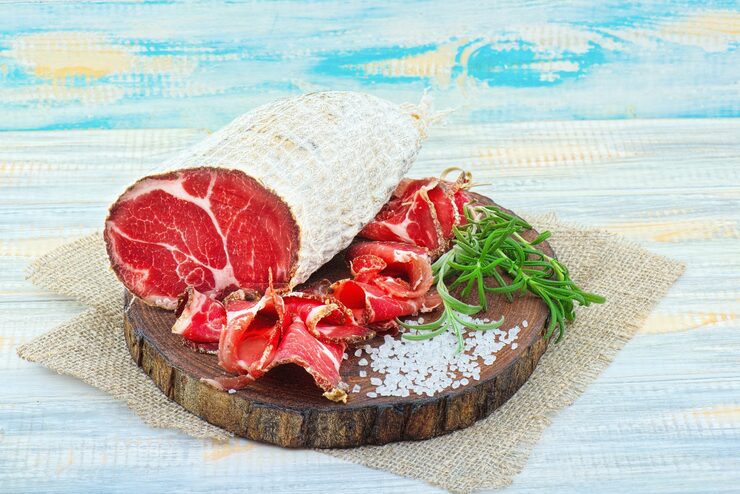
When sliced thin, capocollo has a rosy red color with streaks of white fat running through it. These fat lines are not just for looks. They slowly melt on the tongue and create the rich, buttery feeling that fans of this meat love so much. This identity—whole muscle, well marbled, slow cured—is what sets capocollo apart from many other cold cuts.
The History and Regional Roots of Capocollo in Italy
Capocollo has been part of Italian food culture for centuries. Long before refrigeration, families needed reliable ways to preserve meat. Curing with salt and air drying became a smart and natural solution. Over time, different regions of Italy developed their own methods and recipes, and capocollo became one of the most respected products of this tradition.
In northern Italy, especially in areas like Emilia-Romagna and Piacenza, the meat is often known as coppa. These regions are famous for their high-quality pork and cool climate, which is perfect for slow curing. In the south, including Calabria and Basilicata, capocollo is usually spicier and more boldly seasoned, reflecting local tastes and the use of chili peppers.
For many Italian families, making capocollo was once a yearly event tied to seasonal pig slaughter. Recipes were passed down through generations, and each household had its own blend of salt, spices, and wine. Even today, this strong link to tradition gives capocollo a sense of authenticity that modern processed meats often lack.
The Specific Pork Cut Used for Capocollo
The cut used for capocollo is one of the main reasons for its unique texture and flavor. It comes from the muscle that runs from the neck to the shoulder, usually between the fourth and fifth rib. This area works hard enough to develop good flavor but still contains plenty of fat.
Too much lean meat would make the final product dry and tough. Too much fat would make it greasy. Capocollo hits a perfect middle ground. The marbling keeps the meat moist during the long curing process and gives each slice a soft bite.
Because this muscle is relatively large and uniform, it can be shaped easily and cured evenly. This consistency helps producers create a product that looks beautiful when sliced and tastes balanced from edge to center.
Traditional Curing and Aging Process
Seasoning
The curing process begins with simple but powerful ingredients. The fresh pork is rubbed generously with salt, which draws out moisture and helps prevent spoilage. Spices such as black pepper, paprika, red pepper flakes, garlic, and sometimes wine are added for flavor. Each region has its own spice mix, which gives capocollo its local character.
Stuffing and casing
After seasoning, the meat is tightly wrapped or stuffed into a natural casing. This casing helps the capocollo keep its shape while it dries. It also protects the outside from drying too quickly, allowing the inside to cure slowly and evenly.
Drying time
The prepared meat is then hung in a cool, well-ventilated space. Traditional curing rooms maintain steady temperatures and humidity levels. Capocollo usually hangs for four to six months, though some producers age it even longer for a deeper flavor.
Weight loss and texture development
During this time, the meat slowly loses moisture. It can lose around one-third of its original weight. This loss concentrates the flavor and firms up the texture. What starts as a soft piece of pork becomes dense, sliceable, and richly flavored. The long wait is what gives capocollo its signature taste and tender feel.
Flavor Profile and Texture: What Makes Capocollo Unique
Capocollo is known for its balanced and satisfying flavor. It is savory and slightly salty, with gentle notes of spice and sometimes a hint of sweetness from the curing process. The spices never overpower the pork. Instead, they highlight its natural taste.
The texture is where capocollo really shines. Because of the marbling, each slice feels soft and silky. When cut thin, it almost melts in your mouth. This combination of rich flavor and tender texture makes it enjoyable on its own or paired with other foods.
Unlike some cured meats that can feel dry or chewy, capocollo stays moist and smooth. That quality is one reason it is often chosen for sandwiches and platters where texture matters just as much as taste.
Regional Styles and Variations
Sweet (dolce)
In many areas, capocollo is prepared in a mild or sweet style known as dolce. The seasoning focuses on salt, black pepper, and gentle spices. This version highlights the natural flavor of the pork and is often preferred by people who enjoy a more delicate taste.
Spicy (piccante)
In southern Italy, especially Calabria, a spicy version called piccante is common. Red pepper flakes or chili paste are added to create heat and bold flavor. This style has a stronger personality and pairs well with rustic breads and cheeses.
Northern “coppa” vs Southern “capocollo”
Northern coppa is often softer and less spicy, with a clean and balanced flavor. Southern capocollo tends to be more intense and seasoned more heavily. Both are made from the same cut, but small differences in climate and tradition create distinct results.
Italian-American interpretations
When Italian immigrants came to the United States, they brought capocollo with them. Over time, the name changed to capicola or the famous slang term “gabagool.” Some delis offer a cooked or roasted version instead of a fully dry-cured one. While different from the traditional style, it still delivers a similar porky flavor that many people enjoy.
Capocollo vs. Prosciutto, Salami, and Other Italian Cured Meats
Many people confuse capocollo with other Italian cold cuts. While they may look similar in a deli case, they are quite different in cut, texture, and preparation. The table below makes the differences easier to understand.
| Meat Type | Cut of Pork | Texture | Flavor Style | Curing Method |
| Capocollo | Neck/shoulder muscle | Tender, marbled | Rich, savory, sometimes spicy | Dry-cured whole muscle |
| Prosciutto | Hind leg | Silky, very thin | Mild, sweet-salty | Long air-dried |
| Salami | Ground pork mix | Firm, speckled | Spiced, bold | Fermented and dried sausage |
| Bresaola | Beef round | Lean, firm | Light, delicate | Air-dried whole muscle |
This comparison shows that capocollo stands out for its balance of fat and lean meat, giving it a richer bite than many alternatives.
How Capocollo Is Made Today?: Artisan vs Commercial Production
Today, capocollo is produced in both small artisan shops and large commercial facilities. Artisan makers often follow traditional methods, using natural casings and slow aging. These products may have more complex flavors and slight variations from batch to batch.
Commercial producers focus on consistency and efficiency. Some may speed up the process or offer cooked versions that are ready faster. While still tasty, these versions sometimes lack the deep flavor that comes from long aging.
Both types have their place. Artisan capocollo appeals to people looking for authenticity, while commercial options make the meat more affordable and widely available.
How to Slice, Store, and Serve Capocollo Properly?
Capocollo tastes best when sliced very thin. Thin slices allow the fat to soften quickly and release more flavor. A sharp knife or deli slicer works best for clean cuts.
For storage, keep capocollo wrapped tightly in the refrigerator. Once opened, it should be used within several days for the best taste. If buying a whole piece, you can slice only what you need and keep the rest wrapped to prevent drying.
Serving it at room temperature also improves the flavor. Taking it out of the fridge about fifteen minutes before eating helps the natural oils soften and enhances the taste.
Popular Ways to Eat Capocollo
Charcuterie boards
Capocollo is a natural fit for charcuterie boards. Its rich flavor pairs well with cheeses, olives, nuts, and crusty bread. The thin slices add color and variety to the platter and make it easy for guests to enjoy.
Sandwiches and panini
Many Italian sandwiches feature capocollo as a star ingredient. Layered with cheese, lettuce, tomatoes, and olive oil, it adds depth and savoriness. Warm panini sandwiches also benefit from its soft texture and bold taste.
Cooking and wrapping techniques
Although often eaten raw, capocollo can also be used in cooking. It can wrap around vegetables or chicken to add flavor as it crisps in the oven. Small pieces can be added to pasta or eggs for a salty, smoky touch.
Fruit, cheese, and wine pairings
The meat pairs beautifully with sweet fruits like melon, figs, or pears. The contrast between sweet and salty is refreshing and balanced. Mild red wines or light whites complement the flavor without overpowering it.
Nutrition Facts and Dietary Considerations
Capocollo is a good source of protein and provides energy from its fat content. However, like most cured meats, it also contains salt and should be enjoyed in moderation. A small portion can deliver plenty of flavor without needing large amounts.
People watching their sodium intake should be mindful of serving sizes. Pairing it with fresh vegetables and whole grains can help create a balanced meal.
Buying Guide: What to Look for When Choosing Quality Capocollo?
When buying capocollo, look for slices with clear marbling and a deep red color. The meat should smell fresh and slightly sweet, not sour or overly salty. Good capocollo feels firm but not hard.
If possible, buy from a trusted deli or specialty shop that slices to order. Freshly sliced meat usually tastes better than prepackaged versions. Reading labels can also help you choose products with simple, natural ingredients.
Conclusion
Capocollo is more than just another cold cut. It represents centuries of Italian tradition, careful craftsmanship, and respect for simple ingredients. From its specific neck-to-shoulder cut to its slow curing and rich flavor, every step contributes to a product that feels both rustic and refined.
Whether served on a charcuterie board, layered in a sandwich, or paired with fruit and cheese, capocollo adds depth and character to any meal. Its versatility and timeless appeal explain why it remains a staple in Italian cuisine and continues to win fans around the world. Once you understand what makes capocollo special, each thin slice tells a story of flavor, history, and tradition.
FAQs
What is capocollo made from?
Capocollo is made from whole pork muscle taken from the neck and shoulder area, then seasoned, cured, and aged for several months.
Is capocollo the same as coppa or capicola?
Yes. Coppa, capocollo, and capicola are regional or cultural names for the same style of cured pork, with small differences in seasoning.
Does capocollo need to be cooked?
Traditional capocollo is dry-cured and ready to eat. Some deli versions are cooked, but most authentic types are served uncooked and thinly sliced.
What does capocollo taste like?
It tastes savory, slightly salty, and rich, with a soft texture from the marbled fat. Some versions are mild, while others have a spicy kick.
How long does capocollo last in the fridge?
Sliced capocollo usually lasts 3–5 days when tightly wrapped. Whole pieces can last longer if stored properly and kept cold.