Introduction
Chiang Rai, Thailand, is a serene city tucked in the northernmost part of the country. Nestled amidst lush mountains and winding rivers, it offers a slower pace of life compared to the bustling streets of Bangkok or Chiang Mai. Known for its rich history, vibrant culture, and natural beauty, Chiang Rai provides travelers with a unique glimpse into the heart of northern Thailand.
Unlike the more tourist-heavy destinations in Thailand, Chiang Rai stands out for its peaceful atmosphere and authentic local experiences. From striking temples and colorful markets to breathtaking landscapes, this city combines tradition with tranquility. In this article, we’ll explore Chiang Rai’s cultural treasures, natural wonders, local cuisine, neighborhoods, festivals, and practical travel tips to help you plan a memorable visit.
Exploring Chiang Rai’s Cultural Treasures
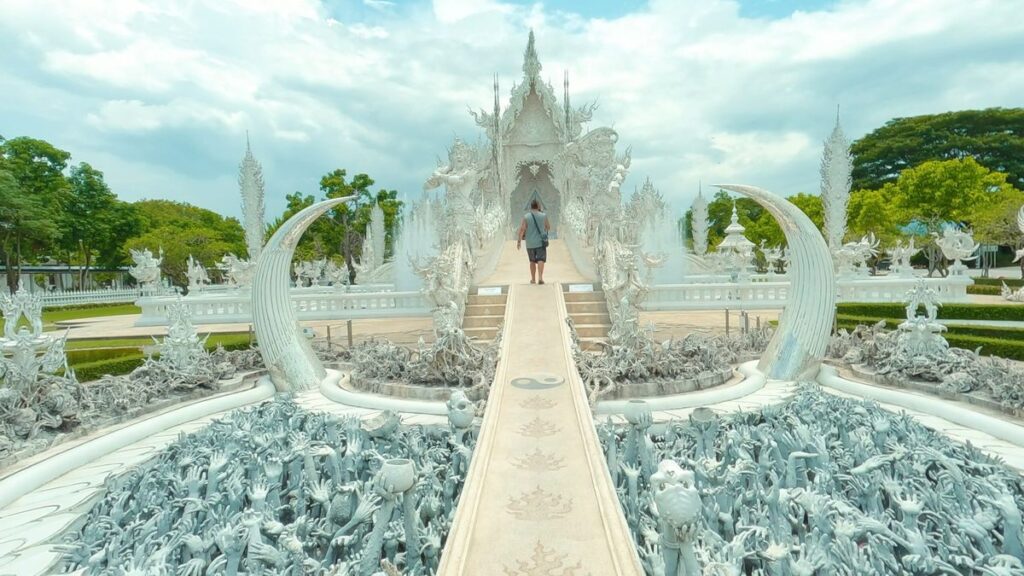
Chiang Rai is renowned for its cultural richness, with temples, museums, and historical landmarks forming the core of its charm. The city’s most famous temple, Wat Rong Khun, also known as the White Temple, captivates visitors with its intricate architecture and surreal design. Another must-see is the Blue Temple, or Wat Rong Suea Ten, which features stunning blue murals and unique sculptures.
Beyond temples, the city hosts several museums that shed light on its history and local traditions. The Chiang Rai National Museum and the Hall of Opium provide fascinating insights into the region’s heritage and the role of opium in its past. Exploring these sites allows visitors to connect with the city’s story in a meaningful way.
Cultural experiences in Chiang Rai go beyond sightseeing. Visitors can engage with local crafts, such as traditional weaving and pottery, or participate in community workshops that showcase northern Thai customs. These experiences provide a deeper understanding of the city’s lifestyle, making a trip to Chiang Rai feel both educational and immersive.
Natural Wonders Around Chiang Rai
Chiang Rai is surrounded by spectacular natural scenery. The region’s mountains, waterfalls, and national parks offer countless opportunities for outdoor adventures. Doi Tung, a mountain in the area, is home to the Mae Fah Luang Garden and a beautiful royal villa. Its panoramic views attract nature lovers and photographers alike.
Waterfalls such as Khun Korn and Wachirathan provide serene spots for relaxation and photography, while national parks like Phu Chi Fa offer hiking trails that reveal the region’s breathtaking landscapes. For those who enjoy trekking, Chiang Rai’s countryside offers trails through forests, hill tribe villages, and rice terraces, making it a haven for eco-tourists and adventure seekers.
Whether you prefer a peaceful walk in nature or a challenging trek, Chiang Rai’s natural wonders provide an unforgettable connection to northern Thailand’s environment.
Local Cuisine and Food Experiences
Food in Chiang Rai, Thailand, reflects the city’s rich cultural tapestry. Northern Thai cuisine features bold flavors, including dishes like Khao Soi, a creamy coconut curry noodle soup, and Sai Ua, a flavorful northern Thai sausage. Street food is equally delightful, with night markets offering freshly grilled skewers, sticky rice, and tropical fruits.
Exploring local markets such as the Chiang Rai Night Bazaar or Saturday Walking Street is a must. Here, visitors can taste authentic dishes, interact with vendors, and pick up unique handmade goods. Cooking classes are also available, giving travelers a hands-on experience in preparing traditional northern Thai meals.
For those seeking a more relaxed dining experience, Chiang Rai has a variety of cafes and restaurants that combine local flavors with international dishes. Sampling the city’s food is not just about taste—it’s a way to connect with its people and culture.
Best Neighborhoods and Accommodation Tips
Chiang Rai’s neighborhoods each have their own charm, making it easy to find an area that suits your travel style. The city center is ideal for visitors who want to be close to markets, temples, and restaurants. This area provides easy access to major attractions while maintaining a calm, walkable environment.
For those seeking a quieter stay, neighborhoods along the Kok River offer scenic views and a slower pace. Boutique hotels and riverside guesthouses provide peaceful retreats away from the city’s core. Budget travelers will find plenty of hostels and guesthouses throughout Chiang Rai, while luxury travelers can enjoy resorts that blend comfort with local design aesthetics.
No matter your preference, Chiang Rai offers accommodations that allow you to experience the city comfortably and authentically.
Festivals and Seasonal Events in Chiang Rai
Chiang Rai hosts several vibrant festivals that highlight its cultural identity. The Yi Peng Lantern Festival, celebrated in November, transforms the sky with thousands of floating lanterns, creating a magical atmosphere. The Songkran Festival in April is another highlight, where locals and visitors engage in friendly water fights to celebrate the Thai New Year.
Other cultural events, such as the Long Neck Karen New Year, showcase traditional ceremonies, music, and dances. Timing your visit to coincide with these events allows for deeper immersion in local culture and creates memories that last a lifetime.
Practical Travel Tips for Chiang Rai
Getting to Chiang Rai is convenient, whether by plane, bus, or car. Chiang Rai International Airport connects the city with major destinations in Thailand and nearby countries, while buses from Chiang Mai or Bangkok offer scenic overland routes.
Within the city, tuk-tuks, songthaews (shared taxis), and rental motorbikes provide flexible transportation options. Chiang Rai is generally safe for travelers, but basic precautions, such as securing valuables and respecting local customs, are recommended.
The weather in Chiang Rai is mild compared to southern Thailand, with cool months from November to February offering the best conditions for sightseeing. Being mindful of local etiquette—such as dressing modestly in temples and removing shoes indoors—ensures a respectful and enjoyable visit.
Conclusion
Chiang Rai, Thailand, is a destination that blends cultural depth, natural beauty, and authentic local experiences. From its stunning temples and rich traditions to its lush landscapes and flavorful cuisine, the city offers something for every type of traveler. Its peaceful ambiance and welcoming locals make it a refreshing alternative to Thailand’s more crowded tourist hotspots.
Whether you’re exploring temples, hiking through mountains, sampling local dishes, or participating in vibrant festivals, Chiang Rai invites you to slow down and immerse yourself in northern Thailand’s charm. For travelers seeking both adventure and cultural enrichment, Chiang Rai is a destination that promises unforgettable memories.
FAQs
What is Chiang Rai known for?
Chiang Rai is famous for its beautiful temples, mountainous landscapes, rich culture, and colorful local festivals.
When is the best time to visit Chiang Rai?
The ideal time is between November and February when the weather is cool and dry, perfect for sightseeing and outdoor activities.
How do I get around Chiang Rai?
Local transport includes tuk-tuks, songthaews (shared taxis), rental motorbikes, and bicycles. The city is compact, so walking is also easy.
What should I eat in Chiang Rai?
Don’t miss Khao Soi (curry noodle soup), Sai Ua (northern sausage), sticky rice, and street food from night markets.
Are there family-friendly activities in Chiang Rai?
Yes, families can enjoy visiting temples, nature parks, waterfalls, cooking classes, and cultural workshops suitable for all ages.