Nestled in the southernmost region of Mexico, Chiapas Mexico is a land of striking contrasts and unforgettable experiences. From dense tropical jungles to cool highland towns, this state offers travelers a rich blend of natural beauty, vibrant culture, and ancient history. While it may be the poorest state in economic terms, Chiapas is arguably the richest in cultural heritage and breathtaking landscapes. For those seeking a destination that combines adventure, history, and authentic Mexican traditions, Chiapas is a place that leaves a lasting impression.
Stepping into Chiapas is like entering a world where the past and present coexist seamlessly. The region is home to a high percentage of indigenous communities, each preserving traditions that date back centuries. At the same time, the state boasts dramatic scenery, from towering canyons to cascading waterfalls and shimmering alpine lakes. Iconic Mayan ruins peek through lush jungles, offering a glimpse into a civilization that thrived long before the arrival of Europeans. This guide will explore the natural wonders, historical treasures, and cultural richness that make Chiapas Mexico a must-visit destination.
Discovering the Natural Wonders of Chiapas
One of Chiapas’ most remarkable features is its incredible natural landscape. Among the most famous sights is Sumidero Canyon, a deep and dramatic gorge carved by the Grijalva River. The canyon walls rise almost a kilometer high, creating a spectacular backdrop for boat tours. While gliding along the river, visitors often spot wildlife such as crocodiles, monkeys, and a variety of bird species. The experience is both serene and exhilarating, offering a unique perspective on the power and beauty of nature in Chiapas.
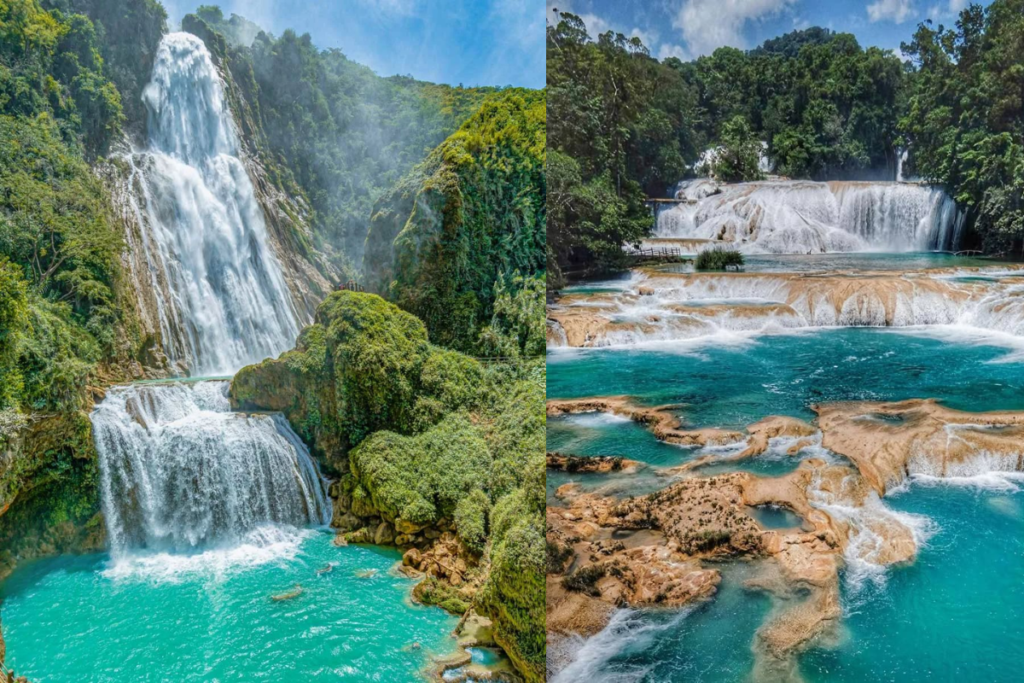
For those who love waterfalls, Agua Azul and Misol-Ha are not to be missed. Agua Azul is renowned for its striking turquoise waters, formed by natural limestone pools that shimmer in the sunlight. Swimming in these falls or simply photographing them offers a refreshing and memorable experience. Nearby Misol-Ha is equally stunning, with a single waterfall plunging into a clear pool surrounded by jungle. The sound of water hitting the rocks and the lush surroundings make it a perfect spot for nature lovers and photographers alike.
Chiapas also boasts Lagos de Montebello, a national park near the Guatemalan border. This collection of multi-colored lakes varies from deep blues to vibrant greens, creating a painterly landscape that feels almost surreal. The area is ideal for hiking, kayaking, and simply enjoying the peaceful natural setting. Together, these sites showcase why Chiapas Mexico is celebrated for its natural wonders, offering both relaxation and adventure in equal measure.
Exploring Ancient Mayan Ruins in Chiapas
Chiapas is not only about natural beauty; it is also a treasure trove of history. At the heart of this heritage is Palenque, a UNESCO World Heritage site and one of the most impressive Mayan cities in Mesoamerica. Set deep within the jungle, Palenque is famous for its well-preserved architecture, intricate stone carvings, and mysterious inscriptions. Exploring the temples and palaces, visitors can imagine the grandeur of a civilization that once dominated this region.
Beyond Palenque, Chiapas holds several lesser-known archaeological sites that reward adventurous travelers. Ruins like Bonampak and Yaxchilan feature vivid murals, ancient ceremonial spaces, and impressive stone structures hidden in dense forest. Visiting these sites provides a deeper understanding of the Mayan world and allows travelers to experience history in a setting largely untouched by modern development. For anyone interested in ancient cultures, the Mayan ruins of Chiapas Mexico are a living testament to a remarkable past.
Immersing in Chiapas’ Indigenous Culture
Chiapas is renowned for its vibrant indigenous heritage. The state has the highest percentage of indigenous people in Mexico, including the Tzotzil, Tzeltal, and Lacandón Maya communities. These groups maintain rich traditions, colorful clothing, and unique ways of life that have survived for centuries. Visitors to Chiapas can witness these traditions firsthand, especially in villages like San Juan Chamula, where religious ceremonies blend Catholicism with ancient Mayan beliefs. These rituals often involve candles, incense, and local liquor, creating a spiritual and visually striking experience.
Artisanship is another hallmark of Chiapas. Skilled craftsmen produce intricate textiles, hand-carved wooden figures, and high-quality amber jewelry. Markets throughout the state offer travelers the opportunity to purchase these goods directly from local artisans, supporting traditional crafts while bringing home authentic souvenirs. Experiencing the indigenous culture of Chiapas Mexico is not only educational but also deeply rewarding, offering insight into a way of life that continues to thrive despite modern pressures.
Life in San Cristóbal de las Casas
San Cristóbal de las Casas is a high-altitude town that perfectly captures the charm of Chiapas. Its colorful colonial architecture, cobblestone streets, and bustling markets make it one of Mexico’s most picturesque destinations. The town is known for its vibrant arts scene, local cafes, and artisan fairs, where visitors can sample traditional foods, shop for handicrafts, and enjoy live music performances.
Walking through the streets of San Cristóbal is an immersive experience. The town’s blend of colonial influence and indigenous culture creates a unique atmosphere that is both historic and lively. Travelers often enjoy guided walking tours to better understand the town’s history, architecture, and local traditions. Whether exploring hidden plazas, visiting historic churches, or mingling with artisans, life in San Cristóbal offers a window into the heart of Chiapas Mexico.
Practical Travel Tips for Visiting Chiapas
While Chiapas is a popular destination, travelers should exercise caution in certain areas due to occasional civil unrest. It is generally recommended to travel by day, stick to well-traveled routes, and use official transportation when moving between towns. Staying informed about local conditions is essential for a safe visit.
The climate in Chiapas varies by region. The dry season, from November to April, is considered the best time to visit, while the rainy season, from May to October, brings lush greenery but occasional heavy showers. Transportation options include buses, taxis, and guided tours, making it relatively easy to reach key attractions. When it comes to accommodations, options range from small guesthouses to boutique hotels, catering to a variety of budgets. Observing local customs and showing respect for indigenous communities will enhance your experience and foster meaningful connections.
Savoring the Flavors of Chiapas
Food and drink are an essential part of any trip to Chiapas Mexico. The region is renowned for its high-altitude coffee, considered among the finest in the country. Visiting local coffee farms offers insight into the production process and the opportunity to taste freshly roasted beans.
Chiapas’ cuisine is equally diverse, blending indigenous ingredients with Spanish influences. Traditional dishes such as tamales, mole, and stuffed peppers are widely available, along with street food like tacos and fresh tortillas. Local markets and food festivals provide a sensory feast, allowing travelers to enjoy authentic flavors while learning about culinary traditions that have been passed down for generations. Sampling the flavors of Chiapas adds a delicious dimension to any visit, connecting travelers to the land and its people in a deeply memorable way.
Conclusion
Chiapas Mexico is a destination that captivates travelers with its unique combination of natural beauty, cultural richness, and historical depth. From the towering walls of Sumidero Canyon to the turquoise waters of Agua Azul, the multi-colored lakes of Montebello, and the ancient ruins of Palenque, every corner of Chiapas offers something remarkable. Its vibrant indigenous communities, traditional crafts, and lively towns like San Cristóbal de las Casas provide cultural experiences that are both authentic and engaging.
Visiting Chiapas invites travelers to explore responsibly, embrace local traditions, and immerse themselves fully in the landscapes, history, and flavors that make this state truly special. Whether you are drawn by adventure, history, or the warmth of its people, Chiapas is a place that leaves a lasting impression and a desire to return.
FAQs
What is the best time to visit Chiapas Mexico?
The dry season, from November to April, is ideal for sightseeing and outdoor activities.
Is Chiapas Mexico safe for tourists?
Most tourist areas are safe during the day, but some rural regions may have civil unrest. Stick to well-traveled routes.
What are the must-see attractions in Chiapas?
Sumidero Canyon, Palenque ruins, Agua Azul and Misol-Ha waterfalls, Lagos de Montebello, and San Cristóbal de las Casas.
Can I experience indigenous culture in Chiapas?
Yes, villages like San Juan Chamula and markets in San Cristóbal de las Casas showcase traditional rituals, textiles, and local crafts.
What is Chiapas known for food-wise?
High-altitude coffee, tamales, mole dishes, street tacos, and fresh tortillas, often found in local markets and festivals.