
Introduction
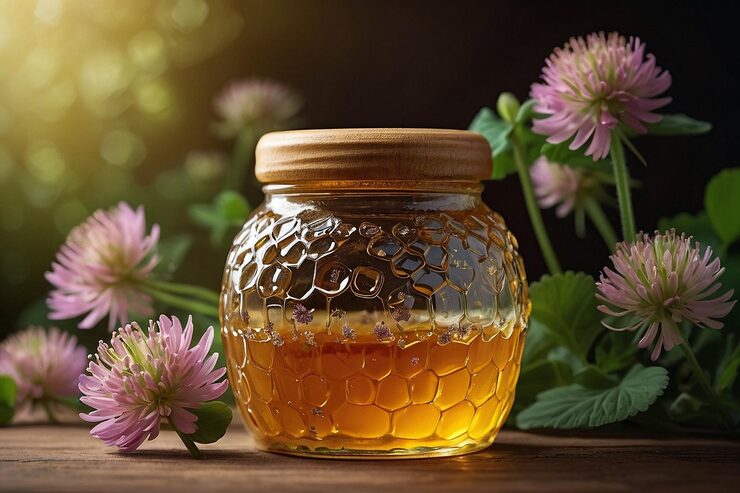
Clover honey is one of the most familiar and widely used types of honey found in kitchens around the world. Produced by bees that gather nectar from clover blossoms, this honey is known for its light color, gentle sweetness, and smooth texture. Many people choose clover honey because it offers a natural way to sweeten foods without the strong taste that some other honeys have.
Its popularity comes not only from its mild flavor but also from its versatility. It works well in tea, on toast, in baked goods, and even in salad dressings. Because clover plants grow in many regions, this honey is also easy to find and often affordable compared to more specialty varieties.
In this article, we will explore what clover honey is, how it is made, what makes it unique, and why it continues to be a favorite natural sweetener for everyday use.
What Clover Honey Is and How It’s Produced
Clover honey comes from the nectar of clover flowers, which belong to the legume family and grow widely in fields, meadows, and farmland. There are several types of clover, including white clover and red clover, but white clover is the most common source of commercial honey production.
When bees collect nectar from clover blossoms, they store it in their honey stomachs and carry it back to the hive. Inside the hive, the nectar is passed between bees, which break down the sugars through natural enzymes. The liquid is then placed into honeycomb cells where bees fan their wings to remove moisture. Once the moisture level is low enough, the honey thickens and becomes stable for long-term storage.
Beekeepers harvest this honey after the combs are filled and sealed. The honey is extracted, filtered, and sometimes lightly heated before being packaged. Raw clover honey is minimally processed, while commercial versions may be filtered more heavily to remove pollen and create a clearer appearance.
Flavor, Color, and Texture: What Makes Clover Honey Distinct?
One of the main reasons clover honey is so popular is its gentle and approachable flavor. Unlike darker honeys that can taste bold or earthy, clover honey has a mild sweetness with a light floral note. This makes it suitable for people who want a natural sweetener that does not overpower other ingredients.
The color of clover honey usually ranges from almost clear to light amber. The exact shade depends on the specific clover variety, soil conditions, and climate where the flowers grew. Honey produced in cooler regions often appears lighter, while honey from warmer areas can have a slightly deeper tone.
In terms of texture, clover honey is typically smooth and fluid when fresh. Over time, it may become thicker or grainy as natural sugars begin to crystallize. This change is normal and does not affect the quality or safety of the honey.
Nutritional Profile of Clover Honey
Clover honey is primarily made up of natural sugars, mainly fructose and glucose. These sugars provide quick energy and are easily absorbed by the body. While honey is still a sweetener and should be consumed in moderation, it does contain small amounts of beneficial compounds.
Trace nutrients found in clover honey may include small levels of vitamins, minerals, and plant compounds from the nectar. It also contains antioxidants, which are natural substances that help protect the body’s cells from damage caused by free radicals. Though the quantities are modest, these compounds make honey a more natural alternative to refined sugar.
Compared to white sugar, clover honey has a slightly lower glycemic impact, meaning it may cause a slower rise in blood sugar levels. However, it is still a form of sugar and should be used thoughtfully, especially for people monitoring their sugar intake.
Health Benefits Associated with Clover Honey
Clover honey has long been valued in traditional wellness practices. One reason for this is its natural antibacterial activity. Honey contains compounds that can help limit the growth of certain microbes, which is why it has been used historically for soothing sore throats and supporting minor wound care.
Some people also use clover honey to help with digestion. Its natural enzymes may assist in breaking down foods, and its gentle sweetness can make it easier to replace highly processed sugars in the diet. Replacing refined sugar with natural honey may help reduce overall intake of artificial sweeteners and additives.
The antioxidants present in clover honey may contribute to overall wellness by helping to reduce inflammation in the body. While honey should not be viewed as a cure or treatment, including it as part of a balanced diet can support healthier eating habits when used in moderation.
Common Culinary Uses for Clover Honey
Because of its mild taste, clover honey works well in both sweet and savory recipes. It dissolves easily in hot drinks such as tea, coffee, and herbal infusions, providing a smooth sweetness without altering the flavor too much. Many people also drizzle it over oatmeal, yogurt, or toast for a simple breakfast topping.
In baking, clover honey can add moisture and a subtle sweetness to cakes, muffins, and breads. It also helps create a soft texture and can enhance browning during cooking. In savory dishes, it pairs well with mustard, vinegar, or citrus to create balanced dressings and marinades.
Clover honey can even be used as a finishing touch on roasted vegetables or cheese platters, where its gentle sweetness complements salty and savory flavors.
How Clover Honey Compares to Other Types of Honey?
Different types of honey vary based on the flowers the bees visit, which affects taste, color, and strength. Clover honey is often chosen for everyday use because it is mild and versatile.
| Type of Honey | Flavor Strength | Color | Typical Uses |
| Clover Honey | Mild and floral | Very light to light amber | Tea, baking, everyday sweetening |
| Wildflower Honey | Medium and varied | Light to dark amber | General cooking and table use |
| Acacia Honey | Very mild and delicate | Almost clear | Sweetening beverages, drizzling |
| Manuka Honey | Strong and earthy | Dark amber | Wellness-focused uses, specialty foods |
| Forest Honey | Rich and robust | Dark brown | Gourmet dishes, sauces, spreads |
This comparison shows why clover honey is often considered a “starter” honey. It is easy to enjoy, blends well with foods, and suits people who prefer a gentle sweetness.
Crystallization Explained: Why Clover Honey Turns Solid?
Crystallization is a natural process that occurs in many types of honey, including clover honey. It happens because honey is made up of different sugars, and glucose tends to form crystals over time. Temperature and storage conditions can speed up or slow down this process.
When clover honey crystallizes, it may appear cloudy or become thick and grainy. This does not mean the honey has spoiled. In fact, crystallized honey is still safe and often preferred by some people because of its spreadable texture.
If you want to return it to a liquid state, the jar can be placed in warm water and gently heated. High heat should be avoided because it can reduce flavor and beneficial compounds.
Storage Tips to Keep Clover Honey Fresh Longer
Proper storage helps maintain the quality and flavor of clover honey for years. Honey should be kept in a tightly sealed container to prevent moisture from entering, as extra moisture can lead to fermentation.
Room temperature storage is usually best. Refrigeration is not necessary and can actually speed up crystallization. A dry pantry or cupboard away from direct sunlight is ideal. Glass containers are often preferred because they do not absorb odors or chemicals.
Because honey is naturally stable, it does not spoil easily when stored correctly. This makes clover honey a long-lasting pantry staple.
Global Availability and Major Producing Regions
Clover honey is widely available because clover plants grow in many agricultural regions. Farmers often plant clover as a cover crop or forage plant, which creates abundant nectar sources for bees. This widespread growth helps ensure a steady supply of honey.
Large commercial quantities of clover honey are produced in North America, particularly in Canada and the United States, where vast clover fields support commercial beekeeping. Other regions with suitable climates, including parts of Europe and Asia, also contribute to production.
Because of its availability and consistent taste, clover honey is often considered a standard honey variety found in grocery stores around the world.
How to Choose High-Quality Clover Honey?
When selecting clover honey, the label can provide useful information. Honey labeled as raw or unfiltered usually undergoes less processing and may contain more natural pollen and enzymes. Processed honey, on the other hand, may appear clearer and more uniform in texture.
Checking the country of origin and the beekeeper’s sourcing information can also help ensure quality. Transparent labeling often indicates a more reliable product. The texture and aroma can offer clues as well. High-quality clover honey typically has a clean, floral scent and a smooth consistency.
Choosing reputable brands or local beekeepers can help ensure the honey is pure and free from unnecessary additives.
Conclusion
Clover honey continues to be one of the most trusted and widely enjoyed natural sweeteners in the world. Its mild flavor, smooth texture, and versatility make it suitable for everyday use, from sweetening tea to enhancing baked goods. Because clover plants grow in many regions, this honey remains widely available and affordable while still offering natural sweetness and trace beneficial compounds.
Whether used for cooking, wellness, or simple enjoyment, clover honey remains a reliable choice for people who appreciate a gentle, floral honey that blends easily into daily life.
FAQs
Is clover honey healthier than regular honey?
Clover honey offers the same natural antioxidants and antibacterial properties as most honeys. Its benefit mainly comes from being a natural alternative to refined sugar.
Why does clover honey crystallize so quickly?
Clover honey contains natural glucose that forms crystals over time. This is normal and does not mean the honey is spoiled.
Can clover honey help with a sore throat?
Yes, many people use it to soothe sore throats because of its natural antibacterial properties and smooth texture.
Is raw clover honey better than processed clover honey?
Raw clover honey is less filtered and may retain more natural enzymes and pollen, but both types are safe and usable.
How should clover honey be stored?
Store it sealed at room temperature, away from moisture and sunlight. Refrigeration is not needed.