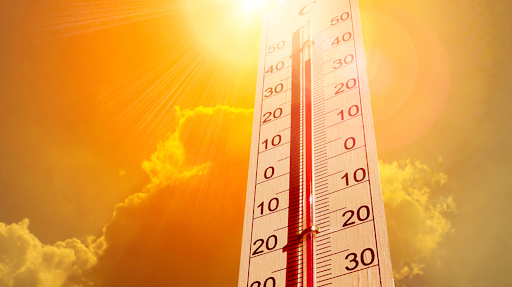
Remember when summer meant soaking up sun on a beach somewhere? Yeah, those days are pretty much toast. July 22, 2024 brought us global temps hitting 62.9°F, and that’s not a feel-good stat.
The Mediterranean’s burning up. Southern Europe’s a furnace. Your typical summer spots? Honestly dangerous right now. But here’s the thing: you’ve got options. Eco friendly coolcation destinations let you chill out, literally, without making climate change worse.
What Actually Makes a Coolcation Sustainable?
Just heading somewhere cold doesn’t automatically make you an eco-warrior. Real talk: you need comfortable weather *and* actual environmental responsibility. Not the fake green stuff companies slap on brochures.
The Carbon Problem with Your Cool Escape
Here’s the irony that’ll make your head spin. You book a flight halfway around the world to escape heat, and boom, you’re heating up the planet in the process. That’s why picking sustainable travel destinations means thinking hard about transportation. A train ride to nearby mountains? Way better carbon-wise than jetting off to Iceland. Stay within 500km of home and you can slash travel emissions by over half. Plus you still get that sweet temperature drop you’re after.
Mountains Are Nature’s AC Unit
Mountains work on a pretty straightforward principle that’s held up forever. Climb 1,000 meters and you’ll feel temperatures drop about 6.5°C. Alpine villages stay comfortable during the nastiest heatwaves because of this natural cooling. No electricity needed. No fossil fuels burned. Just physics doing its thing.
Oh, and here’s a modern twist, sort out your phone situation before you go. Grabbing an esim when traveling means you avoid plastic SIM cards while staying connected for maps and booking green places to crash. Seems small, but multiply that by millions of travelers? It adds up fast.
Don’t Fall for Fake Green Labels
Most eco-badges mean absolutely nothing. Look for the real ones: EarthCheck, Green Key, Travelife Gold. These require actual third-party audits to check energy use, water conservation, community impact. Before you book anything, ask direct questions about renewable energy, waste management, and staff sustainability training. Legit eco-lodges will happily tell you everything.
Europe’s Best Cool Hideouts You Can Actually Reach
Europe’s packed with natural coolcation opportunities that don’t need complicated flights. These best coolcation spots are honestly hiding in plain sight.
Scotland’s Rugged Highlands
The Scottish Highlands stay reliably cool, 15-18°C from June through September, without the carbon hit of reaching Scandinavia. The West Highland Railway Line runs car-free from Glasgow straight to remote mountain villages. You’ll find off-grid accommodations powered by renewables, and community-owned properties keeping tourism cash local. Wild swimming in freezing lochs? Hiking trails that avoid peat damage? Watching rewilding projects bring degraded land back to life? Yeah, it’s all there.
Spain’s Secret Northern Coast
While everyone’s melting in Ibiza, Asturias and Cantabria stay pleasantly between 18-24°C all summer. Sustainable cider routes connect traditional makers. Farm-to-table restaurants serve stuff grown within walking distance, literally. The Picos de Europa mountains create this climate refuge you can reach by train from major Spanish cities. Why isn’t everyone doing this?
Slovenia’s Car-Free Mountain Haven
Slovenia takes its “green capital” reputation seriously, especially in mountain areas. Car-free zones around Bled and Bohinj protect air quality and wildlife. E-bike networks let you explore valleys without emissions. Community tourism connects you with families who’ve been living in these mountains for generations. Temperatures run 10-15°C cooler than the Adriatic coast nearby. When heatwaves hit, that difference feels massive.
Cool Destinations Beyond Europe Worth the Journey
Travel pros are steering summer sun-seekers toward cool Scandinavian spots instead of the Mediterranean. But other continents have equally awesome options if you’re up for going further.
Kyrgyzstan’s Mountain Communities
Central Asia’s Celestial Mountains offer some of the world’s most affordable eco-friendly vacation ideas. Community-Based Tourism networks hook you up with local families running yurt camps between 2,500-3,500 meters. Summer temps hang between 10-18°C, perfect for hiking and horse trekking with nomadic guides. Kyrgyzstan’s minimal development means low carbon infrastructure, and your tourism money goes straight to rural communities.
Ethiopia’s Sky-High Heritage Sites
Ethiopian highlands sit above 3,000 meters, creating year-round temps of 10-20°C. The Simien and Bale Mountains run community conservation projects you can support through responsible tourism. Ancient Christian sites and unique wildlife viewing don’t need energy-guzzling activities. Budget travelers find incredible value here compared to pricey European options.
Canada’s Maritime Chill
Nova Scotia, Prince Edward Island, and Newfoundland deliver coastal cool, 15-22°C throughout summer. These escaping heatwaves travel destinations don’t require Iceland flights for similar temperature benefits. Indigenous tourism experiences with Mi’kmaq communities add cultural richness. Sustainable seafood and ocean-positive practices minimize environmental damage. June and July bring iceberg season, seriously, nature’s ultimate coolcation backdrop.
Making Your Cool Trip Actually Matter
Picking a cool spot is step one. How you get there and what you do determines your trip’s real environmental footprint.
Transportation Choices That Count
Trains destroy planes environmentally for trips under 1,000km. Many European mountain spots connect through excellent rail networks making car-free travel totally doable. Regional buses reach trailheads and villages mainstream tourism ignores. Electric rentals increasingly pop up in mountain regions, though honestly the most sustainable choice stays human-powered. Hiking and cycling let you experience coolcation landscapes at a pace where you actually appreciate them.
Places to Stay That Help Communities
Community-owned lodges typically keep way more tourism revenue in local economies versus international hotel chains. Ask about renewable energy before booking, solar, wind, micro-hydro work great in mountain locations. Water conservation matters hugely in alpine environments. Yeah, resources seem abundant, but ecosystems stay fragile. Properties employing local staff and sourcing food regionally create benefits rippling through entire communities.
Time to Rethink Summer Travel
The climate crisis making summers unbearable is also showing us better paths forward. Eco friendly coolcation destinations offer way more than just temperature relief, they’re smarter travel that respects planet and place. Mountains, northern regions, high-altitude communities don’t just stay cooler; they often practice sustainability because they have to.
Choosing these spots, reaching them through low-carbon transport, supporting local economies through spending, it creates actual positive change. You might be shocked by what you’ve been overlooking. The most sustainable trip is often closer than you think, and definitely cooler than wherever you’re sweating right now.
Your Burning Questions About Cooling Off Sustainably
What kind of temperature drop should I expect in the mountains?
Mountain destinations typically deliver 10-15°C cooler temps than nearby lowlands during summer. The altitude creates natural cooling that stays consistent regardless of weather patterns, unlike coasts where humidity seriously affects comfort.
Are coolcations genuinely better environmentally than beach trips?
Totally depends on how you get there and what you do. Train-accessible mountains beat long-haul flights to any beach. But a regional coast you drive to might impact less than flying to distant peaks. Transportation choice matters most.
How do I know eco-certifications aren’t just marketing BS?
Check whether the certification body does independent audits. Look for EarthCheck, Green Key, Travelife Gold, these require regular re-verification. Real eco-properties openly share energy data, waste numbers, and community contributions. Vague claims without specific metrics? Usually greenwashing.