
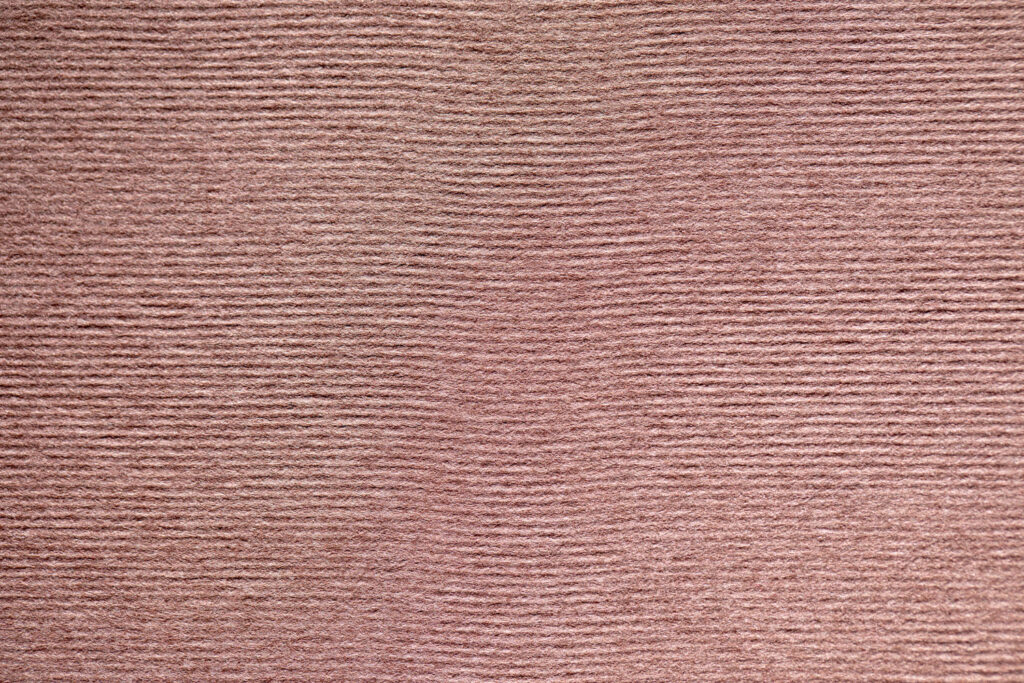
Corduroy is a fabric that many people recognize instantly for its soft texture and characteristic ridges. It has been a staple in both fashion and home decor for decades, thanks to its unique combination of comfort and durability. Known for its warmth, softness, and versatility, corduroy is suitable for a variety of clothing and household items, from cozy jackets and trousers to stylish cushions and upholstery. Its timeless appeal ensures that it continues to remain popular even in modern design and fashion trends.
What Makes Corduroy Unique?
Corduroy stands out because of its distinctive ridged texture, called wales. These parallel raised lines create a soft, velvety surface that feels comfortable against the skin while providing visual depth. The spacing and thickness of the wales influence the fabric’s overall look and feel.
The construction of corduroy makes it exceptionally durable. Extra pile threads give it strength, allowing it to withstand wear and tear over time. At the same time, the ridges trap air, providing natural insulation that keeps you warm in cooler weather.
Corduroy is most commonly made from cotton, which is breathable and easy to care for. However, it can also be found in blends with polyester, wool, or spandex. These blends can add stretch, enhance durability, or make the fabric lighter and more flexible, depending on its intended use.
Different Types of Corduroy and Their Uses
Corduroy comes in several types, which are classified by wale count, or the number of ridges per inch. Each type has its own texture and is suited to different applications in clothing and home decor.
Elephant Cord
Elephant cord is known for its very thick and bold ridges. With a low wale count of around 1.5–6, it is extremely durable and ideal for heavy-duty outerwear and sturdy upholstery. Jackets, coats, and furniture coverings often use this type to provide both structure and warmth.
Wide Wale
Wide wale corduroy has prominent ridges that range from 3–10 per inch. This type is versatile and commonly used for trousers, jackets, and even furniture covers. Its noticeable texture gives clothing and home items a bold, stylish appearance while remaining comfortable.
Standard Wale
Standard wale corduroy is the most common type, with 8–13 ridges per inch. It offers a balanced combination of durability and comfort, making it suitable for everyday apparel such as pants, skirts, and casual jackets. This type also works well for moderate-use furniture upholstery.
Pinwale or Needlecord
Pinwale, also called needlecord, features very fine, narrow ridges with 16–21 or more wales per inch. This creates a lightweight, soft fabric that drapes nicely. Pinwale corduroy is often used for shirts, dresses, and children’s clothing because it is delicate and comfortable.
The wale count is a key factor when selecting corduroy. Lower wale counts give a heavier, more rugged feel, while higher counts result in softer, lighter fabrics. Understanding this helps you choose the right corduroy for your wardrobe or home.
Corduroy in Fashion
Corduroy has long been a favorite in fashion due to its texture, warmth, and versatility. Pants and trousers made from corduroy remain a classic choice, combining durability with a stylish, retro-inspired look. Jackets and blazers crafted from corduroy offer a textured alternative to traditional outerwear, adding a cozy feel to any outfit.
Finer-wale corduroy is used for lighter garments such as shirts and dresses, which are soft against the skin and easy to wear in multiple seasons. Designers often use corduroy to add visual interest, layering its ridges with patterns and colors for a modern aesthetic.
In cooler months, corduroy is particularly popular because it provides warmth without sacrificing style. Its ability to pair with various fabrics like denim, wool, or cotton makes it a versatile choice for both casual and semi-formal looks.
Corduroy in Home Decor and Accessories
Beyond clothing, corduroy is widely appreciated in home decor for its combination of strength and comfort. Upholstery for sofas, chairs, and cushions benefits from the fabric’s durability while also offering a soft, inviting texture. Its ridges add depth to furniture pieces, making them visually appealing as well as practical.
Smaller items such as bags, hats, and throw pillows often feature corduroy, providing both functionality and a touch of classic style. In interior design, corduroy helps create cozy and welcoming spaces, and its wide range of colors and patterns ensures it fits various decor styles.
Caring for Corduroy
Taking care of corduroy is straightforward but requires some attention to maintain its texture and appearance. Washing should generally be done with gentle, cold water, and garments should be turned inside out to protect the ridges. Air drying is preferred, but if a dryer is used, low heat is recommended.
To prevent flattening of the ridges, it is helpful to brush corduroy lightly after washing. Avoid prolonged exposure to direct sunlight to reduce fading, especially for bright or dark colors.
Cotton corduroy can be washed more frequently, while blended fabrics may require more careful handling to maintain their shape and flexibility. Following these simple steps ensures your corduroy items remain soft, durable, and visually appealing for years.
Modern Trends and Innovations in Corduroy
In 2026, corduroy continues to evolve in both fashion and home decor. Designers are experimenting with sustainable and eco-friendly blends, using organic cotton or recycled fibers. These innovations make corduroy more environmentally responsible while maintaining its classic qualities.
Modern corduroy comes in a variety of colors, from traditional browns and tans to bold jewel tones. Patterns, textures, and wale combinations are also being explored, creating fresh ways to incorporate this fabric into wardrobes and interiors.
The versatility of corduroy ensures that it remains relevant, whether as a statement piece in a fashion collection or as a comfortable and stylish choice for home furnishings.
Conclusion
Corduroy is more than just a fabric; it is a timeless material that blends durability, warmth, and style. From rugged jackets and comfortable pants to cozy sofas and chic cushions, its applications are wide-ranging.
By understanding its types, care requirements, and current trends, you can make the most of corduroy in both fashion and home decor. Whether you are looking for a practical everyday fabric or a stylish statement piece, corduroy remains a reliable and appealing choice for 2026 and beyond.
FAQs
Is corduroy warm enough for winter?
Yes, its ridged structure traps air, making it cozy and warm for cooler months.
How do I wash corduroy without damaging it?
Turn it inside out, wash in cold water, and air dry or use low heat to keep ridges intact.
Can corduroy be used for formal clothing?
Absolutely! Standard and fine-wale corduroy can be tailored into jackets, trousers, or skirts for semi-formal looks.
What is the difference between wide wale and pinwale corduroy?
Wide wale has bold, noticeable ridges, perfect for outerwear, while pinwale is soft, fine, and lightweight for shirts and dresses.
Is corduroy durable for home furniture?
Yes, especially elephant or wide wale types. They handle wear and tear well while adding texture and style to interiors.