Introduction
The cuadriceps are one of the most important muscle groups in the human body, located at the front of the thigh. Often simply called “quads,” the cuadriceps are made up of four distinct muscles that work together to extend the knee and support movements such as walking, running, jumping, and squatting. Because they play such a vital role in both daily activities and athletic performance, understanding the cuadriceps and learning how to train them properly is essential for maintaining strength, mobility, and overall leg health.
Training the cuadriceps is not only about building muscle or improving performance. Strong and flexible quads help stabilize the knees, prevent injuries, and maintain proper posture. Whether you are an athlete, a fitness enthusiast, or someone who wants to stay active and injury-free, learning about the cuadriceps can make a significant difference in how your legs function and feel.
Anatomy of the Cuadriceps and How They Work
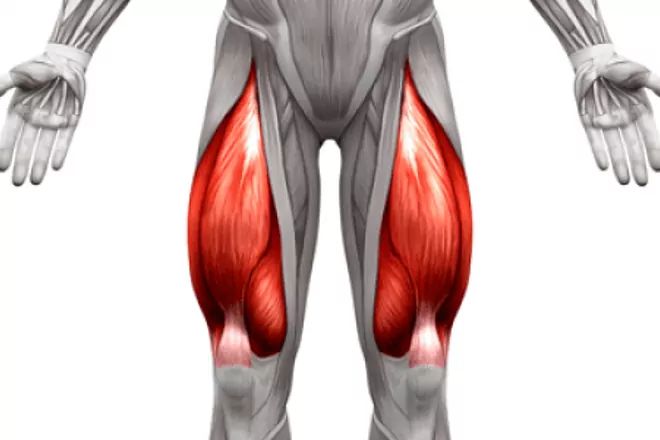
The cuadriceps consist of four separate muscles: the rectus femoris, vastus lateralis, vastus medialis, and vastus intermedius. Each of these muscles has a specific role but works together to allow smooth, controlled movement of the leg. The rectus femoris runs down the middle of the thigh and also assists with hip flexion. The vastus lateralis and vastus medialis are located on the outer and inner sides of the thigh, respectively, providing stability to the knee. The vastus intermedius lies beneath the rectus femoris and helps with extending the knee.
The cuadriceps do more than just straighten the leg. They are essential for absorbing impact during walking and running and provide stability when you change direction. They also work in coordination with the hamstrings and glutes to maintain balance and power in the lower body. A well-functioning cuadriceps group ensures that movements are controlled, efficient, and less likely to cause strain or injury.
Benefits of Strong Cuadriceps
Strong cuadriceps provide multiple benefits beyond just muscular appearance. One of the most noticeable advantages is improved athletic performance. Whether you are running, jumping, cycling, or lifting weights, strong quads allow for greater power and endurance. They also help maintain stability in sports that involve rapid changes in direction, such as soccer or basketball.
Another critical benefit of strong cuadriceps is injury prevention. Weak or imbalanced quads can lead to knee pain, ligament injuries, or even lower back problems. By strengthening the cuadriceps, you reduce the risk of strain on joints and muscles, which is especially important as we age.
In addition to sports and injury prevention, strong cuadriceps positively affect posture and everyday mobility. Activities like climbing stairs, standing up from a chair, or carrying heavy objects rely heavily on the quads. Keeping them strong and flexible ensures that daily movements are easier, safer, and less tiring.
Effective Exercises to Strengthen the Cuadriceps
Training the cuadriceps effectively requires a mix of basic and advanced exercises. Squats are one of the most well-known exercises for targeting the quads, as they engage all four muscles while also activating the glutes and core. Lunges are another excellent option, helping to improve balance and single-leg strength while focusing on the cuadriceps. For those looking to isolate the quads, leg extensions using a machine can be effective, though they should be performed with proper form to avoid knee strain.
Beginners should start with bodyweight squats and lunges, gradually adding resistance as strength improves. Experienced individuals can increase intensity with weighted squats, Bulgarian split squats, or step-ups with added resistance. Throughout all exercises, maintaining proper form is crucial. Keep your knees aligned with your toes, avoid locking your joints, and focus on controlled movements to maximize the benefit to the cuadriceps while reducing the risk of injury.
Stretching and Recovery for the Cuadriceps
Stretching and recovery are often overlooked but are just as important as strengthening exercises. Stretching the cuadriceps before a workout prepares the muscles for activity, increases blood flow, and reduces the chance of strain. Simple stretches, such as standing quad stretches or lunging hip-flexor stretches, can be highly effective. Post-workout stretching helps the muscles relax, improve flexibility, and recover faster.
Recovery methods like foam rolling or gentle massage can relieve tension in the cuadriceps and prevent soreness. Adequate rest between workouts is also essential for muscle repair and growth. Recognizing the signs of overuse, such as persistent soreness, tightness, or decreased performance, allows you to adjust your training before injuries occur. Proper recovery ensures that your cuadriceps remain strong, flexible, and ready for future activity.
Common Mistakes When Training the Cuadriceps and How to Avoid Them
Even with the best intentions, mistakes in cuadriceps training can limit results or lead to injury. One common error is using excessive weight or improper posture during exercises. This can put unnecessary strain on the knees and lower back. Another mistake is neglecting other leg muscles, like the hamstrings or glutes, which can cause imbalances and affect overall lower body function.
To avoid these issues, focus on proper technique first, gradually increasing resistance over time. Include complementary exercises that target all major leg muscles to maintain balance. Listening to your body and adjusting intensity, volume, and recovery as needed will help ensure safe and effective training for the cuadriceps.
Conclusion
The cuadriceps are fundamental for strength, mobility, and overall leg performance. They play a vital role in athletic activities, daily movements, and injury prevention. Strengthening the quads through a combination of effective exercises, proper form, stretching, and recovery routines can enhance performance, protect the knees, and improve overall leg function.
By understanding the anatomy, benefits, and proper training methods for the cuadriceps, you can build a stronger, more stable, and more resilient lower body. Whether for sports, fitness, or everyday life, caring for your cuadriceps is an investment in long-term health and mobility.
FAQs
What exactly are the cuadriceps?
The cuadriceps are the four muscles at the front of the thigh that help straighten the knee and stabilize the leg.
Why is strengthening the cuadriceps important?
Strong quads improve sports performance, protect the knees, support balance, and make everyday movements easier.
How often should I train my cuadriceps?
2–3 times per week is ideal, allowing rest days in between for recovery.
Can tight cuadriceps cause pain?
Yes, tight quads can lead to knee or hip pain, and stretching or foam rolling can help relieve tension.
Are squats enough to strengthen the cuadriceps?
Squats are effective but combining them with lunges, leg extensions, and other exercises ensures balanced development and better knee stability.