
Introduction
Austrian cuisine is a delicious reflection of the country’s rich history, diverse landscapes, and cultural influences. Nestled in the heart of Europe, Austria has absorbed flavors and techniques from its neighbors, creating a culinary tradition that is both comforting and sophisticated. From hearty mountain dishes to delicate pastries, Austrian food tells a story of centuries-old traditions, seasonal ingredients, and regional pride. Understanding Austrian cuisine allows us to appreciate not just the flavors, but also the culture and history behind every dish. In this article, we will explore the origins of Austrian food, iconic dishes, regional specialties, key ingredients, dining traditions, and even modern takes on classic recipes.
The Origins and Influences of Austrian Cuisine
Austrian cuisine is shaped by its geography, history, and cultural exchanges. Situated in Central Europe, Austria has long been at a crossroads of empires and trade routes. This position brought together culinary traditions from neighboring countries such as Germany, Hungary, Italy, and the Czech lands. During the Habsburg Empire, royal kitchens embraced flavors from across Europe, blending spices, meats, and desserts in ways that are still evident today.
Geography also played a major role. The mountainous regions of Tyrol and Salzburg favored hearty, filling dishes that could sustain people through cold winters, while the fertile lowlands supported rich pastries, dairy products, and fresh vegetables. Austrian cuisine is, therefore, a tapestry of both comfort and refinement, rooted in local produce but enriched by centuries of cultural exchange.
Iconic Austrian Dishes You Must Try
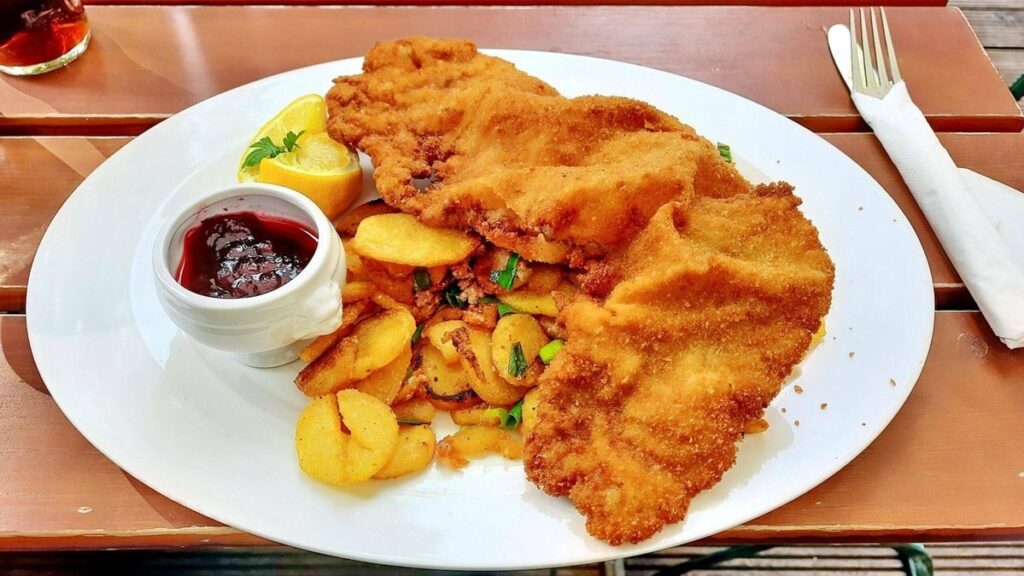
Some dishes define Austrian cuisine and are celebrated both locally and internationally. Wiener Schnitzel, perhaps the most famous, is a thin slice of veal or pork, breaded and fried to golden perfection. Simple yet flavorful, it embodies the elegance and comfort of Austrian cooking. Another classic, Tafelspitz, is boiled beef served with vegetables, potatoes, and horseradish sauce, representing the country’s love for hearty, slow-cooked meals.
Sweet dishes also play a key role in Austrian cuisine. Kaiserschmarrn, a fluffy shredded pancake, and Apfelstrudel, a delicate apple pastry, highlight the Austrian mastery of desserts. Perhaps the most renowned dessert is the Sachertorte, a rich chocolate cake with apricot filling, often enjoyed with a cup of coffee in a traditional Viennese café. These dishes are more than food; they are part of Austria’s cultural identity, enjoyed at family gatherings, local restaurants, and festivals.
Regional Flavors Across Austria
Austrian cuisine is not uniform; each region adds its unique twist. Vienna, the capital, is known as the culinary heart of the country. Its cafés and restaurants offer refined dishes, pastries, and coffee culture that have become legendary. Moving west, the Alpine regions of Tyrol and Styria favor rustic flavors, featuring game meats, cheeses, and hearty soups. Mountain herbs and locally sourced vegetables add depth to these traditional meals.
In Salzburg, culinary traditions are intertwined with music and art, offering specialties like Salzburger Nockerl, a light and airy dessert, while Carinthia, in the south, showcases dishes influenced by Italian cuisine, including risottos and fresh pasta. Exploring these regional differences helps us understand how geography and local produce shape Austrian cuisine, making each area a distinct culinary destination.
Ingredients That Define Austrian Cooking
Austrian cuisine relies heavily on fresh, high-quality ingredients. Meats like beef, pork, and game are staples, often prepared simply to highlight their natural flavor. Potatoes, a versatile element, appear in soups, dumplings, and side dishes, while dairy products such as butter, cheese, and cream enrich both savory and sweet dishes. Fresh herbs like parsley, chives, and dill add a subtle, fragrant touch.
Seasonality also plays a major role. Local fruits like apples, plums, and berries feature in desserts, while vegetables such as cabbage, carrots, and root vegetables form the basis of hearty stews. By combining staple ingredients with seasonal produce, Austrian cuisine maintains a balance between tradition and freshness, allowing each dish to highlight the flavors of the region and time of year.
Austrian Culinary Traditions and Dining Culture
Food in Austria is more than sustenance; it is a social experience. Traditional meals are often structured, beginning with soup or appetizer, followed by a main course, and ending with dessert. Family meals, festivals, and public markets are central to Austrian dining culture, offering opportunities to celebrate both food and community.
Markets, in particular, are vibrant hubs for culinary exchange. Here, local producers sell fresh ingredients, pastries, and traditional delicacies, connecting people with the source of their food. Seasonal festivals, such as harvest celebrations or Christmas markets, feature foods that are deeply tied to tradition, from roasted meats to mulled wine and baked goods. This strong connection between food, culture, and community is a hallmark of Austrian cuisine.
Modern Twists on Austrian Classics
While rooted in tradition, Austrian cuisine continues to evolve. Modern chefs are reimagining classic dishes, using contemporary techniques, and experimenting with flavors while respecting their heritage. Wiener Schnitzel may now be served with creative side dishes, and classic pastries like Apfelstrudel are sometimes infused with unexpected ingredients like exotic fruits or spices.
Fusion cuisine is also gaining popularity, blending Austrian traditions with international influences. Contemporary restaurants in Vienna, Salzburg, and beyond showcase menus that honor heritage while offering fresh, innovative dining experiences. These modern adaptations ensure that Austrian cuisine remains vibrant and relevant, appealing to both locals and international visitors.
Conclusion
Cuisine Austria is a celebration of history, culture, and regional diversity. From iconic dishes like Wiener Schnitzel and Sachertorte to the unique flavors of Tyrol and Carinthia, Austrian food offers something for every palate. Its reliance on fresh, seasonal ingredients and deep-rooted culinary traditions makes it both comforting and exciting. Experiencing Austrian cuisine is more than tasting food; it is connecting with centuries of culture, innovation, and community. Whether you visit local markets, dine in a Viennese café, or explore Alpine specialties, the flavors of Austria invite everyone to enjoy a rich, memorable culinary journey.
FAQs
What makes Austrian cuisine unique?
Austrian cuisine combines hearty Alpine meals, delicate pastries, and seasonal ingredients, influenced by centuries of neighboring cultures and local traditions.
What are some must-try Austrian dishes?
Wiener Schnitzel, Tafelspitz, Kaiserschmarrn, Apfelstrudel, and Sachertorte are among the most iconic dishes.
Are there vegetarian options in Austrian cuisine?
Yes, many dishes feature vegetables, cheese, dumplings, and desserts. Seasonal salads and strudels are also popular vegetarian choices.
How is Austrian food influenced by regions?
Vienna focuses on refined pastries and café culture, Tyrol and Styria offer hearty Alpine meals, and southern regions like Carinthia add Italian-influenced dishes.
Can I find Austrian cuisine outside Austria?
Yes, many traditional dishes are served worldwide in Austrian or European restaurants, though the freshest flavors are often best experienced locally.