
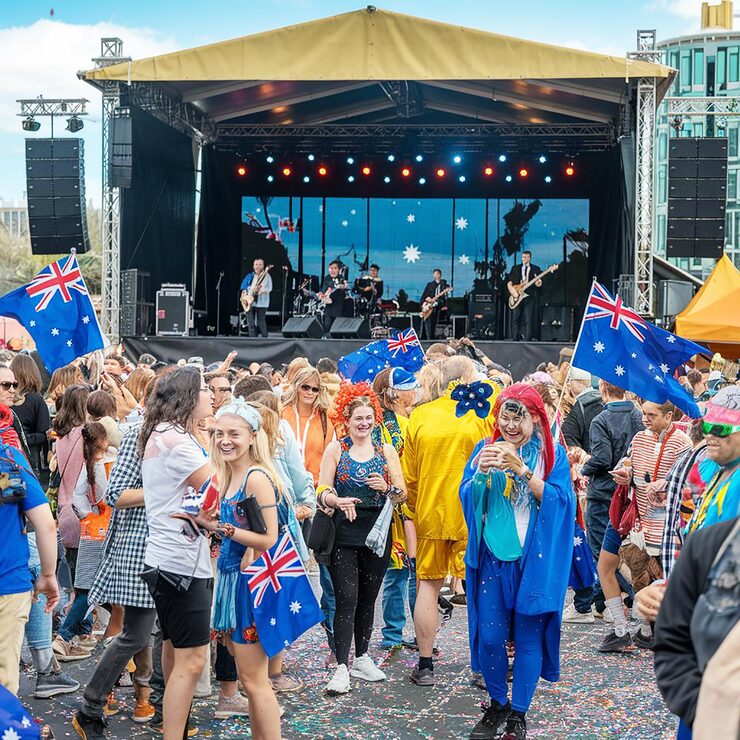
Introduction
Cultural festivals are special events where communities come together to celebrate their traditions, art, music, and shared heritage. These festivals can range from small local gatherings to grand international celebrations, each showcasing the unique identity of a community. They play an essential role in preserving heritage, passing traditions from one generation to the next, and strengthening the bonds within communities. Around the world, cultural festivals provide a window into the diversity of human expression, allowing people to experience different customs, foods, music, and art forms. By sharing culture through festivals, societies not only honor their past but also foster understanding and unity across borders.
The History and Evolution of Cultural Festivals
Cultural festivals have deep historical roots. Many of these celebrations started centuries ago, often tied to agricultural cycles, religious observances, or seasonal changes. For example, harvest festivals were once central to agrarian societies, marking the end of the farming season and giving thanks for a successful yield. Over time, these events evolved to include music, dance, and art, transforming simple community gatherings into larger, more elaborate celebrations.
Globalization and cultural exchange have also influenced modern cultural festivals. Today, festivals often incorporate elements from different countries or communities, blending traditional rituals with contemporary performances. This evolution helps keep the festivals relevant for younger generations while still honoring historical practices. As a result, cultural festivals continue to thrive as dynamic, living traditions that celebrate both history and modernity.
Types of Cultural Festivals
Music and Dance Festivals
Music and dance have always been central to cultural celebrations. Festivals featuring traditional songs, modern music, and various dance forms bring communities together through shared experiences. These events allow artists to showcase their talents while preserving musical and dance traditions for future generations.
Food and Culinary Festivals
Culinary festivals celebrate local cuisine and traditional dishes, often reflecting a region’s history and geography. These festivals are not only about tasting delicious food but also about understanding cultural practices related to cooking, dining, and hospitality.
Religious and Spiritual Celebrations
Many cultural festivals are rooted in religious or spiritual traditions. These events often include rituals, prayers, and ceremonies that hold deep meaning for the participating community. Religious festivals provide a sense of identity and continuity, reminding people of their shared beliefs and values.
Arts, Crafts, and Heritage Festivals
Arts and heritage festivals focus on preserving and promoting local crafts, visual arts, and traditional practices. These festivals often include exhibitions, workshops, and performances that highlight cultural craftsmanship and artistic expression. They serve as an important platform for cultural education and creative exchange.
How Cultural Festivals Reflect Local Traditions?
Cultural festivals are a mirror of local customs and traditions. Every element of a festival, from clothing to rituals, tells a story about the community’s identity. Costumes and decorations are often symbolic, reflecting historical events, religious beliefs, or seasonal cycles.
Rituals and ceremonial practices performed during festivals connect participants with their ancestors and history. For example, many festivals include storytelling, dance, or reenactments of legendary events, allowing attendees to experience the narratives that shaped their culture. By observing and participating in these traditions, people gain a deeper appreciation for the richness and diversity of human heritage.
Popular Cultural Festivals Around the World
Cultural festivals can be found on every continent, each offering a unique experience. In Asia, the Holi Festival in India celebrates color, joy, and the arrival of spring. In Europe, Oktoberfest in Germany draws visitors with its lively music, traditional food, and beer celebrations. Africa’s Timkat Festival in Ethiopia combines religious ritual with communal gatherings, while in the Americas, the Dia de los Muertos festival in Mexico honors ancestors with colorful altars and processions.
Each festival is unique in its traditions, performances, and atmosphere. Travelers who attend these events not only enjoy entertainment but also gain insights into local culture and values. Experiencing a cultural festival firsthand is a way to connect with people, learn about history, and appreciate the diversity of global traditions.
The Social and Economic Impact of Cultural Festivals
Cultural festivals have a profound impact on both society and the economy. Festivals attract tourists from around the world, boosting local businesses and supporting hospitality industries. Beyond economic benefits, these celebrations strengthen community identity, encourage civic pride, and promote social cohesion.
Festivals also provide opportunities for cultural learning and exchange. They create spaces where people from different backgrounds can interact, share ideas, and develop mutual understanding. By highlighting the social and economic significance of cultural festivals, communities can invest in preserving and promoting these valuable traditions for future generations.
Tips for Experiencing Cultural Festivals Respectfully
Participating in cultural festivals requires awareness and sensitivity. Understanding local traditions and customs is essential to ensure respectful engagement. Researching the festival’s background, its rituals, and its significance can help visitors avoid unintentionally disrespecting the community.
Planning ahead is also important. Knowing the best times to visit, proper attire, and etiquette helps attendees enjoy the festival while honoring the local culture. Participation should be meaningful — whether through observation, joining in performances, or enjoying local food — without disrupting traditional practices or ceremonies. Respectful engagement allows everyone to share in the joy and learning that cultural festivals offer.
Conclusion
Cultural festivals are more than just celebrations; they are a way to connect people, preserve traditions, and share the richness of human heritage. From music and dance to food, art, and rituals, festivals bring communities together while fostering understanding and curiosity among visitors.
By exploring and participating in cultural festivals with respect and an open mind, individuals can experience the vibrancy of different cultures while contributing to the preservation of traditions. These celebrations remind us that despite differences in language, religion, or geography, people everywhere share a love for community, creativity, and joy. Cultural festivals, therefore, hold timeless value as a bridge between the past, present, and future, creating shared memories that transcend borders.
FAQs
What is the main purpose of cultural festivals?
Cultural festivals celebrate heritage, strengthen community bonds, and share traditions like music, food, and art with participants and visitors.
Are cultural festivals only for locals?
No, international travelers are welcome. Festivals are a great way to experience and learn about local culture respectfully.
How do cultural festivals benefit the local community?
They boost tourism, support local businesses, preserve traditions, and create social connections among residents.
Can anyone participate in cultural festivals?
Yes, but it’s important to respect traditions, follow etiquette, and engage meaningfully without disrupting rituals.
How can I find cultural festivals to attend?
You can check local tourism websites, cultural centers, or event calendars for upcoming festivals worldwide.