Introduction
Da Hong Pao is one of the most famous and cherished teas in China, known for its rich history, unique flavor, and cultural significance. Often referred to as the “Big Red Robe,” this oolong tea has been celebrated for centuries, not only for its taste but also for the stories and traditions that surround it. Originating from the Wuyi Mountains in China’s Fujian province, Da Hong Pao stands out among teas for its complexity, aroma, and deep connection to Chinese tea culture.
In this article, you will discover the origins of Da Hong Pao, what makes it so unique, how it is traditionally processed, the proper way to brew it, its health benefits, the different grades available, and tips for storing it. By the end, you’ll have a clear understanding of why this tea is so highly valued and how to fully enjoy it.
The Origins of Da Hong Pao
Da Hong Pao traces its roots to the Wuyi Mountains, a region in China that has been cultivating tea for hundreds of years. The area is famous for its rocky terrain and mineral-rich soil, which contribute to the distinct flavor of teas grown there. Historical records suggest that Da Hong Pao has been enjoyed since the Ming Dynasty, making it a tea with both a long history and deep cultural significance.
The tea is surrounded by legendary stories that add to its allure. One popular tale tells of an emperor who was cured of illness after drinking Da Hong Pao. In gratitude, he sent red robes to drape over the tea bushes, giving the tea its name, which translates to “Big Red Robe.” Because of such stories and its limited production, Da Hong Pao became highly prized and remains one of China’s most treasured teas today.
What Makes Da Hong Pao Unique?
Several factors set Da Hong Pao apart from other teas. First is its flavor. Unlike simpler teas, Da Hong Pao offers a complex taste that can include notes of roasted nuts, chocolate, stone fruits, and a gentle mineral undertone. Its aroma is equally distinct, often described as floral and roasted with a lingering sweetness.
Appearance also plays a role in its uniqueness. The leaves are typically dark brown or reddish, with a twisted or rolled shape. This appearance results from careful processing that helps preserve the tea’s flavor and aroma.
The region where Da Hong Pao is grown, known as its terroir, heavily influences its quality. The soil, climate, and elevation of the Wuyi Mountains combine to create a tea that cannot be replicated elsewhere. Even small differences in growing conditions or harvesting methods can significantly affect the final taste, making each batch of Da Hong Pao slightly unique.
Traditional Processing Methods
The production of Da Hong Pao is a meticulous process that has been refined over centuries. It begins with hand-picking the best tea leaves during the spring harvest. Only the youngest and most tender leaves are selected, ensuring the highest quality.
After harvesting, the leaves are withered to reduce moisture. They are then gently rolled and lightly oxidized, a process that brings out their characteristic aroma and flavor. Some leaves are roasted, which adds a deeper, more complex taste. Traditionally, skilled artisans perform all of these steps by hand, relying on experience to judge the right timing for each stage.
Modern techniques may involve partial mechanization, but high-quality Da Hong Pao is still primarily crafted using traditional methods. The skill and experience of the tea maker are crucial. Even a slight mistake during processing can affect the tea’s flavor, which is why Da Hong Pao remains a tea of artistry and care.
How to Brew Da Hong Pao Properly?
To fully appreciate Da Hong Pao, proper brewing is essential. The tea is best brewed with water that is just below boiling, around 90–95°C (194–203°F). Using cooler water can result in a weak taste, while boiling water may make the tea overly bitter.
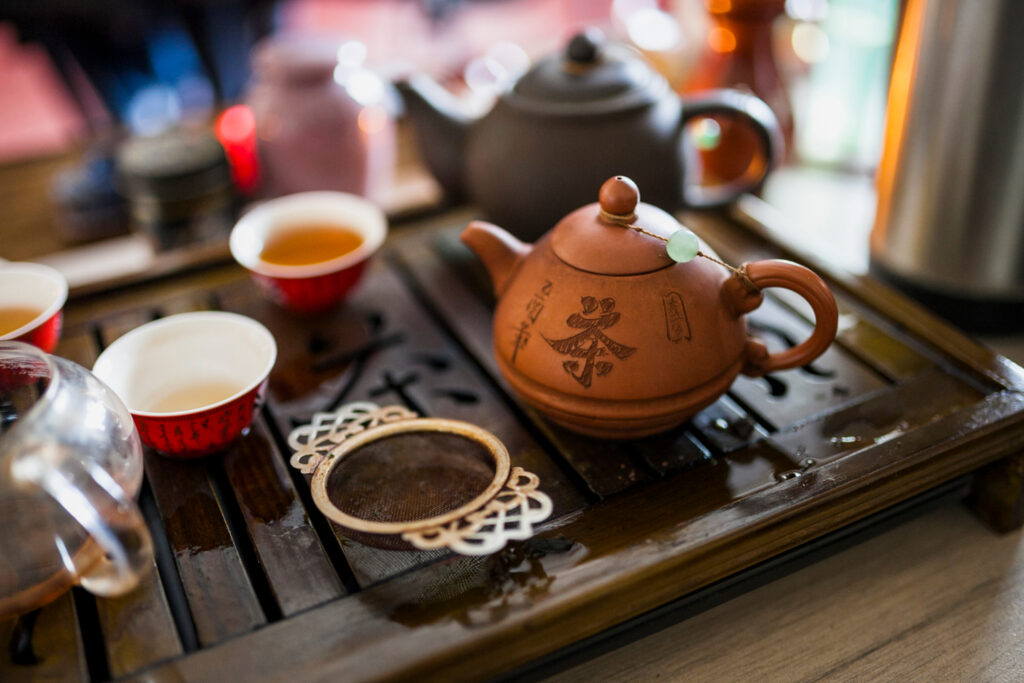
The traditional method uses a small teapot or gaiwan. Start by rinsing the leaves with hot water for a few seconds to awaken the aroma. Then steep the tea for about 20–30 seconds for the first infusion, gradually increasing the steeping time with each subsequent infusion. Da Hong Pao can typically be brewed multiple times, with each infusion revealing new layers of flavor.
Avoid common mistakes such as oversteeping, using too many leaves, or pouring boiling water directly over the tea. With careful attention, you can enjoy the full aroma, taste, and richness of this legendary tea.
Health Benefits of Da Hong Pao
Like many oolong teas, Da Hong Pao contains naturally occurring compounds that may offer health benefits. It is rich in antioxidants, which help protect the body from free radicals and may support heart health. Some studies suggest that moderate consumption of oolong teas can aid digestion and support metabolism.
Drinking Da Hong Pao can also provide a calming effect due to its balanced caffeine content. While it contains enough caffeine to offer a gentle energy boost, it is less stimulating than coffee or stronger teas. However, it is always best to enjoy it in moderation, as excessive consumption may lead to unwanted side effects such as restlessness or digestive discomfort.
Different Grades and Types of Da Hong Pao
Da Hong Pao comes in various grades and types, which can affect flavor, aroma, and price. Authentic Da Hong Pao, grown on the original bushes in the Wuyi Mountains, is extremely rare and often very expensive. Commercial versions, grown outside the original region or with less careful processing, are more accessible but usually less complex in flavor.
High-quality Da Hong Pao can be recognized by its rich aroma, dark reddish-brown leaves, and balanced taste that combines roasted, sweet, and floral notes. Pricing typically reflects rarity and quality, so it is important to know what you are buying if you seek the authentic experience.
How to Store Da Hong Pao for Maximum Freshness?
Proper storage is key to maintaining Da Hong Pao’s flavor and aroma. Store the tea in an airtight container away from light, moisture, and strong odors. A cool, dry place is ideal. Avoid keeping it in the refrigerator, as the humidity can damage the leaves.
Freshly purchased Da Hong Pao can last for several months when stored correctly. Over time, the flavor may gradually mellow, but careful storage can help preserve the tea’s unique taste for longer. Occasionally checking the tea and gently shaking the container can help maintain even freshness.
Conclusion
Da Hong Pao is more than just a tea; it is a cultural treasure, a taste experience, and a connection to centuries of Chinese tradition. From its legendary origins in the Wuyi Mountains to its careful processing, complex flavor, and healthful properties, Da Hong Pao offers something special for every tea lover.
Whether you are new to oolong teas or an experienced enthusiast, exploring Da Hong Pao can be a rewarding journey. With the right brewing technique, appreciation for its story, and proper storage, you can enjoy this legendary tea to the fullest, savoring each sip while connecting with a rich cultural heritage.
FAQs
What does Da Hong Pao taste like?
It has a rich, roasted flavor with hints of sweetness, floral notes, and a subtle mineral taste.
How many times can Da Hong Pao leaves be brewed?
High-quality Da Hong Pao can usually be brewed 5–7 times, with flavor evolving in each infusion.
Is Da Hong Pao good for health?
Yes, it contains antioxidants, may aid digestion, and provides a gentle energy boost when consumed moderately.
How do I store Da Hong Pao?
Keep it in an airtight container, away from light, moisture, and strong odors. Avoid the fridge to maintain flavor.
What’s the difference between authentic and commercial Da Hong Pao?
Authentic Da Hong Pao comes from original Wuyi Mountain bushes and is rare; commercial versions are grown elsewhere and less complex in flavor.