
Introduction
Dai pai dong is one of Hong Kong’s most unique culinary traditions. These open-air food stalls, often bustling with activity and filled with the aromas of freshly cooked dishes, have been an integral part of the city’s culture for decades. Unlike standard restaurants, dai pai dongs offer a casual and lively dining experience where locals and visitors alike can enjoy authentic, home-style Cantonese food at affordable prices.
In Hong Kong, dai pai dongs are more than just places to eat. They are cultural landmarks, representing the city’s history, resilience, and community spirit. For many, visiting a dai pai dong is not only about savoring the food but also about soaking in the atmosphere and connecting with a long-standing tradition.
This article will guide you through the history, distinctive features, and modern-day experience of dai pai dongs. We will also discuss the challenges these iconic stalls face and provide tips for first-time visitors, helping you fully appreciate what makes them so special.
History and Origins of Dai Pai Dong
The story of dai pai dong begins in post-war Hong Kong. The term “dai pai dong” literally means “big license stall,” referring to the government-issued licenses that allowed street vendors to operate these food stalls. Originally, these stalls were started by individuals who wanted to earn a living after the war, often using simple equipment and cooking techniques passed down through generations.
Over the decades, dai pai dongs evolved from basic, makeshift setups into semi-permanent street-side establishments. In the 1950s and 1960s, they became a common sight in neighborhoods across Hong Kong, offering affordable meals to workers, students, and families. These stalls played a vital role in feeding the growing population, providing quick, hearty meals that were both tasty and economical.
Culturally, dai pai dongs have always been more than food outlets. They served as social hubs where locals gathered to chat, share news, and enjoy communal meals. In a densely populated city, they created spaces for connection and community, fostering a sense of belonging among residents.
Unique Features of Dai Pai Dong
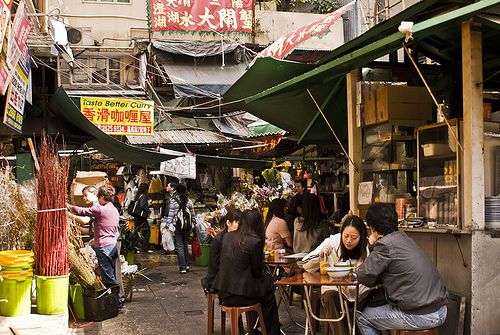
One of the most defining characteristics of a dai pai dong is its open-air setup. Unlike traditional indoor restaurants, these stalls are often located on the sidewalk or in small alleys, with simple tables and chairs arranged in close proximity. The bustling street atmosphere, combined with the sounds of sizzling woks and clattering dishes, creates an immersive dining experience that cannot be replicated in conventional dining settings.
The menu at a dai pai dong typically includes classic Cantonese comfort foods. Noodle dishes, stir-fried vegetables, roasted meats, and congee are common offerings. Some stalls are famous for signature dishes like claypot rice, beef brisket noodles, or stir-fried seafood. Ingredients are usually fresh and locally sourced, contributing to the rich flavors that make these dishes memorable.
Cooking methods at dai pai dongs often highlight traditional techniques. Wok-frying over high heat, steaming, and slow-cooking are standard practices, allowing chefs to deliver flavorful dishes quickly and efficiently. The simplicity of the setup does not compromise quality; instead, it emphasizes skill and authenticity, which is why many locals remain loyal patrons.
The Dai Pai Dong Experience Today
Today, dai pai dongs continue to be a beloved part of Hong Kong’s culinary landscape, though they have changed in response to modern urban life. While some traditional stalls remain in their original form, others have adapted to contemporary tastes and regulations, sometimes moving indoors or modernizing their equipment.
For diners, visiting a dai pai dong offers a unique sensory experience. The sights, sounds, and smells of the street come together to create a lively environment. Eating here is informal and interactive; it is common to share tables with strangers, chat with the stall owner, and watch your food being cooked right in front of you.
Popular dai pai dong locations include bustling neighborhoods such as Central, Sham Shui Po, and Mong Kok. Some lesser-known areas still hide charming stalls that maintain a traditional feel, offering visitors a glimpse of Hong Kong’s past. The experience can differ significantly between traditional setups, which prioritize heritage and atmosphere, and contemporary versions, which focus on hygiene and comfort while retaining classic flavors.
Challenges Facing Dai Pai Dong Vendors
Despite their cultural importance, dai pai dongs face numerous challenges. One of the primary obstacles is government regulation. Licenses are limited, and new ones are rarely issued, making it difficult for new vendors to start or for existing ones to expand. Licensing restrictions have also led to a decline in the number of operational stalls over the years.
Urban development and rising property costs pose another challenge. Many dai pai dongs were once located in low-rent areas that have since been redeveloped. The need to relocate or upgrade equipment to meet modern safety standards has forced some vendors to close or compromise on their traditional setups.
Efforts to preserve this culinary heritage are ongoing. Some local organizations and food enthusiasts advocate for the protection of dai pai dongs, highlighting their role in Hong Kong’s identity. Festivals, guided food tours, and cultural initiatives aim to keep these stalls relevant while educating younger generations about their history and value.
Tips for First-Time Visitors
For those trying a dai pai dong for the first time, preparation can enhance the experience. Finding authentic stalls often requires exploring neighborhoods rather than relying solely on guidebooks or online maps. Some of the best dai pai dongs are hidden in alleys or tucked between residential buildings, away from heavy tourist traffic.
When ordering, it helps to observe local customs. Many patrons eat quickly and share tables with strangers. A friendly approach and patience go a long way. Watching what others order can also give clues about popular dishes if you are unsure what to try.
To fully enjoy the experience, embrace the atmosphere. Part of the charm of dai pai dong is the lively street environment, the smell of sizzling food, and the informal interactions with the stall owners. By stepping into this world with curiosity and openness, first-time visitors can appreciate both the culinary delights and the cultural significance.
Conclusion
Dai pai dong remains one of Hong Kong’s most cherished cultural and culinary treasures. Its blend of tradition, flavor, and community makes it a unique dining experience that continues to attract locals and visitors alike. While modernization and regulations have changed the landscape, these open-air stalls retain their charm, offering a glimpse into the city’s history and everyday life.
Experiencing a dai pai dong is about more than just food; it is about connecting with a living tradition that has fed generations. Whether you are savoring a bowl of noodles, enjoying a hearty stir-fry, or simply soaking in the street-side atmosphere, a visit to a dai pai dong provides a memorable and authentic taste of Hong Kong’s heart and soul.
FAQs
What does “dai pai dong” mean?
It literally means “big license stall,” referring to the government-issued license for operating these street food stalls in Hong Kong.
Are dai pai dongs hygienic?
Most follow basic hygiene standards, though the setup is open-air. Look for stalls with high turnover and clean cooking areas for safer dining.
What is the best dish to try at a dai pai dong?
Signature dishes vary, but claypot rice, beef brisket noodles, and stir-fried seafood are widely loved by locals.
Can tourists easily find dai pai dongs?
Yes, but the most authentic ones are often tucked in alleys or older neighborhoods, away from busy tourist streets.
Are dai pai dongs expensive?
No, they are generally very affordable, offering hearty, flavorful meals at lower prices than traditional restaurants.