
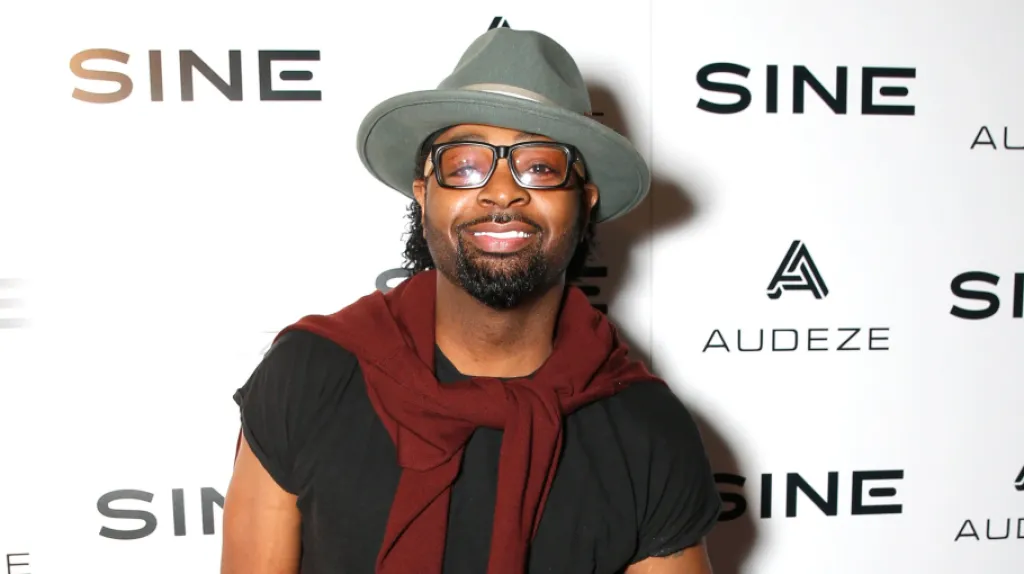
David Lee Scott Jr was a highly respected American choreographer, dance teacher, and creative force who left a lasting mark on the dance world. Known to many simply as Dave Scott, he built a remarkable career working in film, television, and stage productions. His work introduced hip‑hop choreography to wider audiences and shaped how dance was portrayed in mainstream entertainment. Today, his legacy continues to inspire dancers and choreographers of all ages. In this article, you’ll learn about his early life, major career achievements, personal values, the challenges he faced, and how his influence continues to live on.
Early Life and Background
David Lee Scott Jr was born on August 15, 1972, in Los Angeles, California, and grew up in the Compton area. His childhood was rooted in a city known for its rich cultural mix and vibrant street dance scene. Growing up with siblings in a community where music and movement were everyday influences helped set the foundation for his future in dance.
Scott attended Compton High School, where early interests in movement and rhythm began to evolve into a deeper passion. While he didn’t initially see dance as a professional path, his natural ability and energy for movement quickly became apparent to those around him. The experiences of his youth in Southern California — with its blend of street culture, music, and diverse artistic expression — shaped his creative direction and informed his understanding of dance as more than just performance.
Career Highlights and Achievements
David Lee Scott Jr’s career spanned decades and included some of the most influential projects in dance film and television. He gained widespread recognition for his choreography on hit movies like You Got Served and Step Up 2: The Streets, films that introduced hip‑hop dance to a global audience and remain celebrated within the genre.
Scott also made his mark on television. He served as a recurring choreographer on So You Think You Can Dance from its third season onward and was the resident choreographer for Dancing With the Stars season eight. His work on these shows helped bring contemporary and hip‑hop choreography into millions of homes and influenced how dance competitions were staged for television audiences.
Beyond film and TV, Scott was also an educator and mentor. He taught at dance conventions and studios across the country, including PULSE Dance Convention and the Debbie Allen Dance Academy, nurturing the next generation of performers and helping countless students develop their own creative voices.
Among his many accolades, Scott received awards for his choreography, including the American Choreography Award and recognition at various dance industry events. These honors reflected both his technical skill and his ability to connect with audiences through movement.
Personal Life and Values
Despite his success in high‑profile projects, David Lee Scott Jr remained grounded in his deeper values of community, creativity, and mentorship. Colleagues and students often described him as warm, generous, and dedicated to helping others unlock their potential through dance.
Outside of his professional work, Scott loved teaching master classes, participating in dance conventions, and spending time with friends and fellow artists. His passion for movement wasn’t limited to the stage or screen — he lived it daily, sharing his enthusiasm with everyone he met.
Scott’s personality was marked by his belief in the power of art to uplift and connect people. Whether he was in front of a camera or guiding a class of young dancers, he carried a sense of purpose that emphasized expression, joy, and authenticity.
Challenges and Turning Points
Like many creative professionals, David Lee Scott Jr faced challenges in his journey. Growing up in an environment where opportunities in the arts were not always clear or supported, he had to carve his own path and stay committed to his vision. His beginnings in Compton — an area often characterized by economic hardship and limited resources — taught him resilience and perseverance, qualities that would prove vital throughout his career.
Another turning point came early in his professional life when he transitioned from dancer to choreographer and teacher. This shift allowed him not only to create original work but also to lead and inspire others. By embracing both creative and educational roles, Scott broadened his impact and opened doors for many who followed in his footsteps.
Through these experiences, Scott learned that success was not just about personal achievement but about helping others grow. His journey reflected a commitment to constant learning, adaptability, and emotional strength — lessons that continue to resonate with dancers and artists today.
Influence and Legacy
The influence of David Lee Scott Jr extends far beyond the projects he worked on. Through his choreography, he helped elevate hip‑hop dance into mainstream film and television, contributing to a broader appreciation of urban and street dance forms. His style, creativity, and ability to tell stories through movement left an indelible mark on popular culture.
Many dancers, choreographers, and students cite him as an inspiration, noting how his enthusiasm and encouragement helped shape their paths. His teaching work — from master classes to dance conventions — opened opportunities for young performers to explore their own creativity with confidence.
Even after his passing on June 16, 2025, the dance community continues to honor his contributions and celebrate his legacy. Tributes from peers and students alike highlight not just his artistic achievements but also his generous spirit and enduring influence on those he taught and collaborated with.
Resources and References for Further Exploration
For those interested in learning more about David Lee Scott Jr, there are several places to explore his work and legacy. Many of the films he contributed to, such as You Got Served and Step Up 2: The Streets, showcase his choreography and creative vision. Interviews and feature articles in dance publications also offer insight into his process and philosophy.
Television shows like So You Think You Can Dance and Dancing With the Stars include episodes featuring his choreography, and dance conventions where he taught often share footage and discussions that reflect his teaching style. These resources can be especially inspiring for dancers seeking to understand his artistic approach.
Additionally, dance conventions and studios that hosted Scott’s master classes frequently archive or share stories from his time as a mentor, providing rich context for his influence as both a teacher and performer.
Conclusion
David Lee Scott Jr was more than a choreographer — he was a visionary who helped bring hip‑hop dance into new realms of entertainment, touched the lives of countless performers, and inspired a generation of artists with his passion and creativity. His journey from the streets of Los Angeles to the stages of Hollywood reflects not only his talent but his resilience and commitment to community.
His contributions continue to matter because they remind us how art can unite people, elevate culture, and spark joy. Whether through film, television, or teaching, Scott’s influence lives on, encouraging readers and dancers alike to explore their own creative paths with courage and heart.
FAQs
Who is David Lee Scott Jr?
He was a renowned choreographer and dance mentor, best known for his work in hip-hop films, TV shows, and dance education.
What are his most famous works?
His notable works include You Got Served, Step Up 2: The Streets, So You Think You Can Dance, and Dancing With the Stars.
What dance style is David Lee Scott Jr known for?
A: He is most recognized for hip-hop and street dance choreography, blending rhythm, storytelling, and energy.
Q4: Did he teach dance?
Yes, he conducted master classes and workshops worldwide, inspiring countless students and young dancers.
Why is David Lee Scott Jr important in the dance world?
He helped bring hip-hop dance to mainstream audiences and shaped the careers of many dancers through his mentorship and innovative choreography.