
Introduction
Dentinum is a term that might not be familiar to everyone, but it plays an essential role in keeping our teeth healthy. Simply put, dentinum is the layer of tissue beneath the enamel that forms the main bulk of each tooth. While it isn’t as hard as enamel, it is crucial for maintaining the strength and function of our teeth. Without healthy dentinum, our teeth become more vulnerable to damage, sensitivity, and decay.
Understanding dentinum is important not just for dental professionals, but for anyone interested in maintaining good oral health. This article will provide a clear and comprehensive look at dentinum—what it is, how it works, why it matters, and practical steps to keep it healthy.
What Dentinum Is and Why It Matters
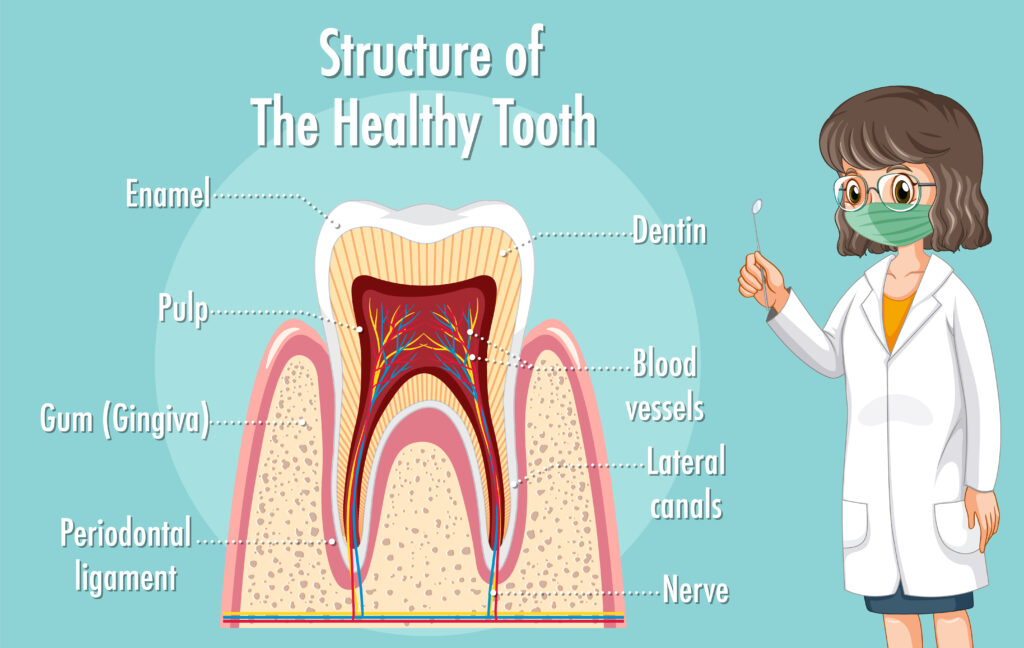
Dentinum is often described as the bridge between the hard outer enamel of the tooth and the soft inner pulp. It is a calcified tissue, meaning it is hard but slightly flexible, giving teeth the ability to withstand daily pressure from chewing and biting. Unlike enamel, dentinum contains microscopic tubes, which help transmit sensations such as heat, cold, and pressure to the nerves inside the tooth.
In dental anatomy, dentinum serves as the foundation of the tooth. It supports the enamel and protects the pulp from infections or trauma. Because of its structure, dentinum also plays a key role in absorbing the stress from chewing, which prevents cracks and fractures in the tooth. Overall, dentinum is essential for maintaining the strength, durability, and sensitivity of our teeth, making it a critical component of oral health.
The Science Behind Dentinum
Dentinum is made up of mineralized collagen and tiny tubular structures called dentinal tubules. These tubules connect the outer surface of dentinum to the tooth’s pulp, allowing it to sense stimuli. This means that when you eat something very hot or cold, dentinum is partly responsible for letting your nerves know about it.
Dentinum works closely with enamel and the pulp to ensure the tooth functions correctly. While enamel provides a hard, protective shield against decay, dentinum acts as a shock absorber, reducing the risk of cracks or damage to the more sensitive inner layers. Research has shown that dentinum can also respond to minor injuries by producing reparative dentin, a natural way for the tooth to defend itself against damage. These discoveries highlight the dynamic nature of dentinum and its importance in overall dental health.
How Dentinum Affects Dental Health?
The health of dentinum directly influences the strength and longevity of teeth. Strong dentinum supports enamel, helping prevent fractures and chipping. When dentinum is compromised, teeth can become more sensitive, making it uncomfortable to enjoy hot, cold, or sweet foods.
Dentinum also plays a role in preventing cavities. While enamel is the primary defense against decay, dentinum provides an additional barrier, slowing down the progress of bacterial damage toward the pulp. Healthy dentinum supports the gums as well, indirectly contributing to overall oral health by keeping teeth stable and less prone to infection.
Signs of Dentinum Issues
Recognizing problems with dentinum early can prevent more serious dental issues. Symptoms of dentinum deterioration or imbalance include increased tooth sensitivity, discomfort when eating certain foods, and visible discoloration beneath the enamel. Over time, weak dentinum can contribute to cracks, chips, and even more serious infections in the pulp.
Common dental problems linked to dentinum include tooth decay that progresses quickly through the enamel, structural weakness that leads to fractures, and heightened sensitivity. If you experience persistent discomfort, visible damage, or sudden sensitivity in multiple teeth, it’s important to consult a dental professional. Early intervention can help preserve dentinum and prevent further damage.
Maintaining Healthy Dentinum
Taking care of dentinum starts with basic oral hygiene. Brushing gently with a soft-bristled toothbrush and fluoride toothpaste helps protect both enamel and the underlying dentinum. Flossing daily is equally important, as it removes plaque and food particles that can lead to decay.
Nutrition also plays a role in supporting dentinum health. A balanced diet rich in calcium, phosphorus, and vitamin D can strengthen teeth from the inside out. Avoiding excessive sugar and acidic foods helps prevent erosion that can expose dentinum and increase sensitivity. Regular dental check-ups allow professionals to monitor dentinum health, catch early signs of deterioration, and provide treatments such as fluoride applications or protective sealants.
Emerging Research and Future Insights
Recent studies in dental science have shed new light on the role of dentinum in tooth repair and protection. Researchers are exploring ways to enhance the natural reparative abilities of dentinum, including materials that can stimulate dentin regeneration. Innovations in minimally invasive dentistry are also helping dentists preserve dentinum while treating decay, reducing the need for extensive procedures.
Looking ahead, ongoing research may lead to even more effective treatments to maintain or restore dentinum health. From advanced biomaterials to targeted nutrition and preventive care, the future of dental health increasingly focuses on protecting this vital layer of the tooth.
Conclusion
Dentinum may not be as well-known as enamel, but it is a crucial part of your teeth’s structure and overall oral health. Understanding its role helps explain why some teeth are sensitive, why cavities can spread, and how we can take steps to strengthen our teeth naturally.
Maintaining healthy dentinum is achievable through good oral hygiene, proper nutrition, and regular dental visits. Staying informed about this essential component of dental anatomy ensures that your teeth remain strong, functional, and comfortable for years to come. By caring for dentinum, you are taking a key step toward lasting oral health and a confident smile.
FAQs
What exactly is dentinum?
Dentinum is the inner layer of the tooth beneath enamel, providing strength, flexibility, and sensation to the tooth.
Why does dentinum cause tooth sensitivity?
Dentinum has tiny tubules that connect to nerves. When exposed due to enamel erosion or damage, it transmits hot, cold, or sweet sensations, causing sensitivity.
Can dentinum repair itself?
Yes, dentinum can form a protective layer called reparative dentin when minor damage occurs, helping protect the pulp.
How can I keep my dentinum healthy?
Maintain good oral hygiene, eat nutrient-rich foods, avoid excess sugar/acid, and get regular dental checkups to protect dentinum.
Is dentinum more important than enamel?
Both are important: enamel protects dentinum, and dentinum supports enamel while keeping the tooth strong and sensitive to changes.