
Introduction
Denver steak is quickly becoming a favorite among steak lovers who want a tender, flavorful, and affordable cut. Despite coming from the shoulder, this steak is surprisingly soft and juicy, offering a taste experience similar to high-end cuts like ribeye or filet mignon. It’s a perfect choice for home cooks who want restaurant-quality results without spending a fortune. In this article, we’ll explore what makes Denver steak special, how to select the best cut, cooking tips, recipe ideas, comparisons with other steaks, and where to find it. By the end, you’ll understand why this hidden gem deserves a place in your kitchen.
What Makes Denver Steak Unique?
The Denver steak comes from the chuck primal, specifically from the serratus ventralis muscle located beneath the shoulder blade. While chuck cuts are often considered tough, this particular muscle doesn’t get much exercise, which makes it remarkably tender. Its fine texture and abundant marbling give it a juicy and flavorful profile that rivals many premium steaks.
Flavor-wise, Denver steak strikes a balance between the beefy richness of a ribeye and the delicate tenderness of a filet mignon. It’s meaty, satisfying, and versatile, making it ideal for a variety of cooking styles. The combination of taste, tenderness, and value is what makes this cut a true standout.
Choosing the Best Denver Steak
Selecting the right Denver steak is key to enjoying its full potential. Look for cuts with good marbling, which appears as thin, white lines of fat throughout the meat. Marbling is essential because it melts during cooking, keeping the steak juicy and flavorful. The meat should have a bright red color, indicating freshness, and a thickness of about 1 to 1.5 inches is ideal for even cooking.
When shopping, local butcher shops are often the best source. Butchers can also provide advice on the freshest cuts and suggest alternatives if Denver steak isn’t available. Online vendors, like specialty meat delivery services, are another reliable option, offering high-quality, trimmed steaks shipped directly to your door.
Cooking Denver Steak for Maximum Flavor
Denver steak is best cooked using high-heat methods such as grilling, pan-searing, or using a cast-iron skillet. Because the cut is naturally tender, it doesn’t require long, slow cooking like other chuck cuts. Start by bringing the steak to room temperature and patting it dry to encourage a good sear.
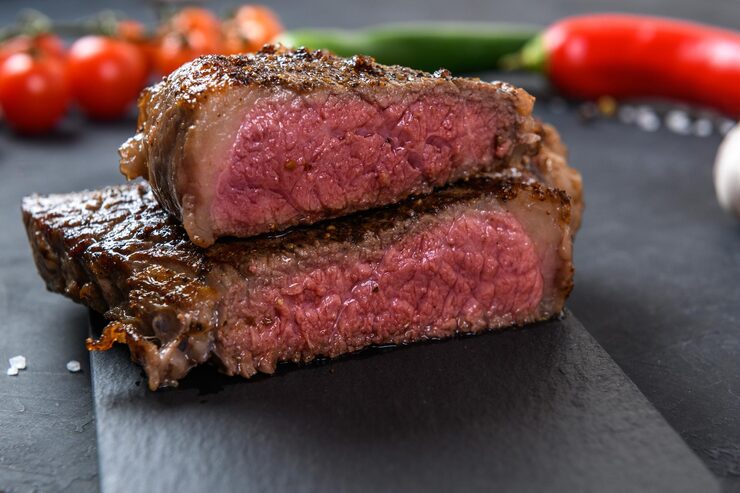
For ideal doneness, aim for medium-rare to medium, between 130°F and 145°F. Overcooking can make even this tender cut chewy. After cooking, let the steak rest for 5–10 minutes. Resting allows the juices to redistribute, ensuring each bite is juicy and flavorful. When slicing, cut against the grain to maximize tenderness.
Simple Seasoning and Recipe Ideas
Seasoning Denver steak can be simple or a bit adventurous. A classic approach is just kosher salt and freshly ground black pepper. For added depth, you can marinate the steak in garlic, herbs, and olive oil for a few hours before cooking.
Quick recipes include searing it in a hot skillet with butter and fresh herbs, or grilling it and finishing with a balsamic glaze. Denver steak pairs well with roasted vegetables, creamy mashed potatoes, or a simple green salad. Sauces like chimichurri, peppercorn, or garlic butter complement its rich, beefy flavor beautifully.
Denver Steak vs. Other Popular Cuts
Here’s a clear comparison of Denver steak with other well-known steak cuts:
| Steak Cut | Flavor Profile | Tenderness | Price Range | Best For |
| Denver Steak | Beefy, rich, slightly buttery | Tender, fourth most tender | Moderate, affordable | Home grilling, pan-searing |
| Ribeye | Rich, fatty, intensely beefy | Very tender, marbled | Higher, premium | Grilling, indulgent meals |
| Filet Mignon | Mild, delicate, buttery | Extremely tender | High, premium | Special occasions, fine dining |
| Flat Iron Steak | Deep beef flavor | Tender, slightly firmer | Moderate | Versatile cooking, stir-fries |
Denver steak offers a unique combination: it’s more affordable than ribeye or filet mignon, yet delivers a tender, juicy experience that many casual cooks crave. Choose Denver steak when you want something flavorful and versatile without overspending.
Where to Find Denver Steak?
Denver steak isn’t always stocked at every supermarket, so it may require a bit of searching. Local butcher shops are usually the best bet, as they can provide fresh cuts and guidance on cooking. If local options are limited, several online meat vendors offer Denver steak with convenient home delivery.
If you can’t find it, flat iron steak or ribeye are the closest substitutes, offering similar flavor and tenderness. These alternatives allow you to experiment with Denver-style cooking until the cut becomes more widely available in your area.
Conclusion
Denver steak is a hidden gem that offers a rare combination of tenderness, rich flavor, and affordability. Whether you’re a seasoned home cook or just starting to explore quality cuts, this steak provides a satisfying experience without breaking the bank. With proper cooking, simple seasoning, and thoughtful slicing, Denver steak can rival much pricier cuts while remaining accessible. Next time you want a special yet practical steak dinner, consider giving Denver steak a try—you might just discover your new favorite cut.
FAQs
What is Denver steak and where does it come from?
Denver steak comes from the chuck primal, specifically the serratus ventralis muscle under the shoulder blade. It’s tender and well-marbled despite being from the shoulder.
How should I cook Denver steak?
Cook it hot and fast using a grill or cast-iron skillet. Medium-rare to medium is ideal to keep it juicy and tender.
Is Denver steak better than ribeye or filet mignon?
It’s not “better,” but it’s more affordable while still tender and flavorful, making it a great everyday alternative.
Where can I buy Denver steak?
Local butcher shops usually carry it, or you can order online from specialty meat vendors. Flat iron or ribeye are good substitutes if unavailable.
What seasoning works best for Denver steak?
Simple kosher salt and pepper work great. For more flavor, you can use garlic, herbs, or a light marinade.