
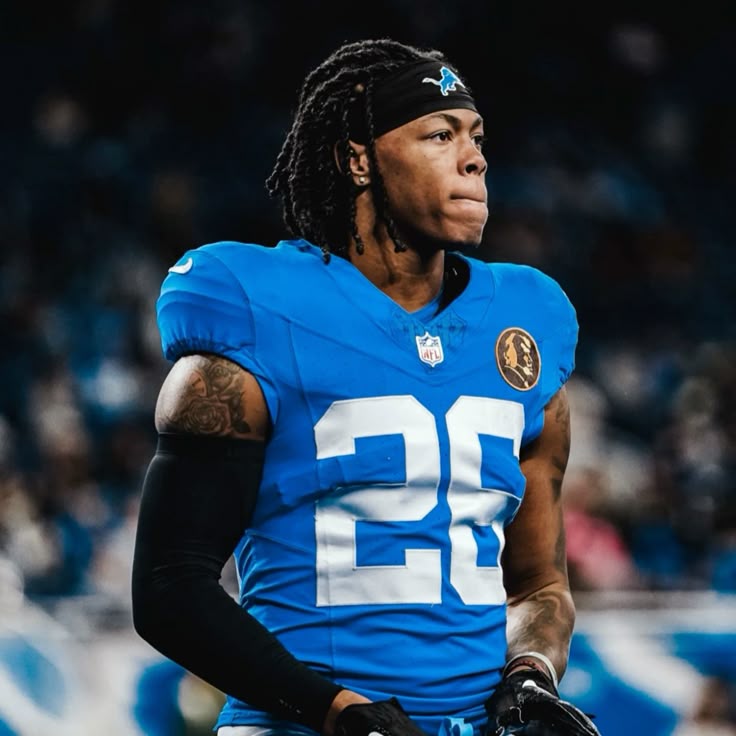
Player Stats Overview
| Category | Detroit Lions | Minnesota Vikings |
| QB Performance | High accuracy, controlled drives | Deep throws, mixed consistency |
| Rushing Stats | Steady yard gains | Limited but explosive attempts |
| Receiving Stats | Short, reliable catches | Big-play focused routes |
| Defensive Impact | Strong pressure, fewer mistakes | Tight coverage, aggressive attempts |
| Turnovers | Low turnovers, better control | More risks, momentum swings |
The Detroit Lions vs Minnesota Vikings match player stats always attract strong attention from fans because these two teams share one of the most competitive rivalries in the NFC North. Each meeting between them brings excitement, physical football, and standout individual performances that shape the final outcome. For many fans, player statistics provide the clearest picture of how well each team performed and which players played the biggest role in deciding the match.
This article offers a clear and friendly breakdown of the most important numbers from the game. By exploring quarterback play, offensive production, defensive strength, wide receiver impact, and turnover results, you can understand exactly how both teams approached the match. The analysis stays simple and easy to follow while keeping the focus on the key details that matter most.
Key Match Overview Between Lions and Vikings
The Detroit Lions vs Minnesota Vikings match player stats reflect a competitive meeting where both teams entered the field fully prepared. The Lions relied on balanced offensive drives and strong ball control, aiming to dictate the pace from the opening quarter. Meanwhile, the Vikings focused more on creating explosive moments through their passing attack and finding holes in the Lions’ secondary.
Both teams exchanged early drives that set the tone for the matchup. The Lions pushed forward with steady gains, keeping their offense on the field and maintaining consistent momentum. On the other side, the Vikings searched for big plays to generate quick scoring opportunities, testing the Lions’ defensive coverage at multiple levels.
As the game progressed, field position became a crucial factor. The Lions worked methodically to maintain space and limit unnecessary risks. The Vikings responded with aggressive attempts to break through the Lions’ defensive line. These approaches created a back-and-forth rhythm that made the match entertaining and unpredictable.
By the time the teams reached the final quarter, player stats clearly displayed how evenly matched both sides were. Every yard gained, every stop made, and every decision from the sidelines influenced the final momentum, making the statistical story of this game even more interesting.
Important Player Performances That Shaped Game
Several standout efforts from individual players helped define the story of the Detroit Lions vs Minnesota Vikings match player stats. On the Lions’ side, key offensive players showed discipline and consistency, contributing solid yardage that kept drives moving. Their ability to stay organized under pressure made a noticeable difference throughout the match.
The Vikings had their own stars who stepped up at critical moments. Strong receiving efforts and timely defensive plays added energy whenever the team needed a spark. These contributions helped Minnesota stay competitive, even when the Lions controlled sections of the match. The influence of these players can be seen clearly in the final numbers.
For the Lions, standout defensive performers also played an essential role. Their efforts to contain deep passes and pressure the quarterback helped prevent sudden scoring explosions. The Vikings faced challenges in maintaining consistent ball movement, largely due to these defensive efforts that appear prominently in the stats.
The Vikings responded with aggressive defensive plays of their own. They targeted the Lions’ offensive rhythm, attempting to force turnovers or disrupt short passing attempts. Although not every attempt resulted in big plays, their defensive presence shaped the tempo and kept the Lions mindful of every decision.
Throughout the match, the contributions of these key players—both on offense and defense—formed the heart of the statistical breakdown. Their performances highlight how important individual efforts are in close divisional matchups.
Quarterback Performance Comparison and Analysis
Quarterback play always has a big impact in the Detroit Lions vs Minnesota Vikings match player stats, and this game was no exception. The Lions’ quarterback entered the matchup with a steady, controlled approach, focusing on high-percentage throws and minimizing unnecessary risks. This helped maintain longer offensive drives and kept the ball in the Lions’ hands for significant portions of the game.
The Vikings’ quarterback took a different approach, seeking deeper throws and trying to stretch the defense vertically. This strategy offered the chance for explosive plays, but it also came with higher pressure and narrower throwing windows. The stats show moments where this risk-and-reward approach both helped and challenged the Vikings’ offense.
The Lions’ quarterback displayed strong accuracy throughout the match, spreading the ball across multiple receivers. This balanced distribution made it difficult for the Vikings’ defense to predict each play. Their completion percentage reflects a calm and well-executed performance, helping control the overall tempo of the game.
Meanwhile, the Vikings’ quarterback relied heavily on timing routes and quick releases to counter the Lions’ defensive pressure. Although there were moments of strong execution, the Vikings struggled with consistency on certain drives. This inconsistency is visible in completion percentage and third-down conversion rates, both of which shaped the final statistical story.
Overall, the quarterback comparison highlights two contrasting styles—one built on steady control and the other on explosive opportunity. Both approaches influenced the flow of the game and added depth to the overall player stats.
Detailed Breakdown of Offensive Player Stats
Offensive production forms the core of the Detroit Lions vs Minnesota Vikings match player stats, and both teams showed impressive efforts in different areas. The Lions’ offense displayed strong balance between passing and rushing, allowing them to stay flexible and unpredictable. Their running backs contributed important early gains, helping maintain rhythm and open opportunities for play-action passes.
The Vikings’ offense leaned more heavily on the passing game, searching for advantages in their receiver matchups. Their running game found moments of success, but it was the air attack that carried most of the offensive workload. This focus is clear in the yardage distribution across the box score and player stat sheets.
The Lions’ tight ends played an important role by securing short and medium-range catches. These high-percentage plays kept the chains moving and helped build longer, more controlled drives. Their involvement shows how teamwork and steady production can influence match momentum.
The Vikings showed flashes of strong offensive creativity, especially on routes designed to create separation and open field opportunities. While not every attempt was successful, the ones that connected added meaningful yards and kept drives alive. These moments helped balance out areas where consistency was missing.
Both offenses had strengths and weaknesses, but the stats show that the Lions’ balanced approach provided smoother progress overall. This balance is one of the key reasons their offensive numbers look more consistent across the board.
Comprehensive Review of Defensive Player Metrics
Defense played a major role in shaping the Detroit Lions vs Minnesota Vikings match player stats, with both teams delivering strong individual and collective performances. The Lions worked hard to restrict big plays, focusing on tight coverage and disciplined tackling. Their defenders were quick to close gaps and prevent breakaway runs that could swing momentum.
The Vikings responded with their own defensive pressure, pushing the Lions’ offensive line and searching for ways to disrupt passing rhythm. Their defenders showed good anticipation on several occasions, making key stops that slowed down the Lions’ progress. These moments are easy to spot when reviewing defensive metrics from the match.
Pressure on the quarterback stood out in several sequences. The Lions used strategic blitzes and strong pass-rush technique to hurry throws and limit Minnesota’s passing options. This contributed significantly to preventing the Vikings from gaining long passing plays consistently.
The Vikings, meanwhile, focused on containing the Lions’ short passing game. They tried to limit yards after catch and force the Lions into tougher third-down situations. Although the Lions adjusted well, the Vikings’ defensive coverage made every passing attempt important, and the stats reflect these tight margins.
In the end, both defenses had impactful moments, but the Lions demonstrated a bit more consistency. Their ability to limit explosive plays and maintain solid pressure played a key role in shaping the statistical story of the match.
Wide Receiver Contributions and Key Statistics
Wide receivers from both teams played a major part in the Detroit Lions vs Minnesota Vikings match player stats, contributing crucial yards, first-down conversions, and contested catches. The Lions’ receivers showed strong discipline in their routes, finding space and creating reliable passing opportunities for their quarterback.
The Vikings’ receivers delivered several standout moments, especially on deeper routes designed to exploit one-on-one matchups. Their ability to adjust to the ball and maintain control under pressure contributed significantly to Minnesota’s offensive progress. These plays appear clearly in the receiving yard totals and catch percentages.
The Lions relied heavily on consistency rather than explosive receptions. Their receivers focused on securing the ball and helping the offense maintain movement. These shorter but reliable gains helped build longer drives and reduce the pressure on the quarterback. The stats highlight the success of this steady, controlled receiving strategy.
Minnesota, however, used their receivers to push for bigger gains. While this approach led to impressive yards on certain plays, it also created challenges when the Lions tightened their coverage. The Vikings needed more consistent short-range options, and this gap becomes evident in the overall receiving distribution.
Both teams showed strong receiving talent, but the Lions’ smoother, structured approach gave them more control throughout the match. This difference is one of the key takeaways from the wide receiver statistics.
Turnover Statistics and Their Match Impact
Turnovers are often the turning point in close games, and the Detroit Lions vs Minnesota Vikings match player stats clearly show how important they were. The Lions worked hard to protect the ball, minimizing risky throws and maintaining strong awareness in crowded spaces. Their careful approach reduced chances for interceptions or fumbles.
The Vikings faced more pressure to generate big plays, which sometimes led to rushed decisions. These moments contributed to turnover risks, and certain mistakes shifted momentum toward the Lions. The stats reflect these shifts clearly, showing how each turnover influenced the flow of the game.
When the Lions forced defensive turnovers, their offense took advantage of the improved field position. Even when they didn’t convert every opportunity into big points, the psychological edge was noticeable. This is one reason the Lions’ ball control numbers look stronger overall.
The Vikings attempted to respond with aggressive defensive play to force their own turnovers. While they succeeded at moments, they struggled to turn those changes of possession into sustained drives. The mismatch between turnover creation and offensive conversion stands out in the data.
Turnovers defined the match in subtle but meaningful ways, giving the Lions small advantages that added up over time. These moments are essential to understanding the game’s final rhythm.
What These Player Stats Mean for Next Match?
Looking ahead, the Detroit Lions vs Minnesota Vikings match player stats offer a clear preview of what to expect in their next meeting. The Lions’ balanced offense and steady quarterback play suggest they will continue relying on control and rhythm. Their ability to limit turnovers and maintain long drives gives them a strong foundation to build on.
For the Vikings, the stats highlight the need for more consistent offensive balance. Their passing game shows great potential, but they may need more reliable short-range options to avoid difficult situations. Defensive adjustments, especially in coverage, will also play an important role in future matchups.
If both teams study these stats closely, they can identify areas for improvement. The Lions will want to maintain their defensive pressure and improve red-zone efficiency. The Vikings may look to refine their timing routes and reduce turnover risks to stay competitive from start to finish.
These performance patterns create anticipation for the next Lions vs Vikings game. With both teams aware of their strengths and challenges, future matchups will likely be even more competitive, intense, and exciting for fans.
Conclusion
The Detroit Lions vs Minnesota Vikings match player stats offer a detailed picture of how each team performed and which players had the biggest impact. From quarterback efficiency and offensive production to defensive strength and turnover influence, every part of the match tells a story. The Lions’ balanced approach and strong control stood out, while the Vikings showed flashes of high-level play and potential for future improvement.
Understanding these stats helps fans appreciate the strategies behind every drive, every stop, and every scoring opportunity. As both teams prepare for their next meeting, the numbers from this match provide important clues about what to expect. With each matchup building on past performances, the rivalry between the Lions and Vikings remains one of the most exciting in the league.
FAQs
What are the key player stats from the Detroit Lions vs Minnesota Vikings match?
The key stats include quarterback completion rates, rushing yards, receiving totals, defensive tackles, sacks, pressures, and turnovers that influenced the game’s flow.
Who performed better in the Lions vs Vikings matchup?
The Lions showed more consistency with balanced offense and lower turnovers, while the Vikings delivered stronger explosive plays but struggled with consistency on key drives.
How did the quarterbacks perform in the Detroit Lions vs Minnesota Vikings match?
The Lions’ quarterback focused on accuracy and long drives. The Vikings’ quarterback attempted deeper throws, creating big plays but also facing pressure and tougher completions.
Which team had stronger defensive stats?
Both defenses had strong moments. The Lions excelled in pressure and limiting big plays, while the Vikings tightened coverage and aimed for aggressive stops.
Why are player stats important in Lions vs Vikings games?
Stats help fans understand which players impacted the game most, how each team executed their game plan, and what strengths or weaknesses may appear in future matchups.