
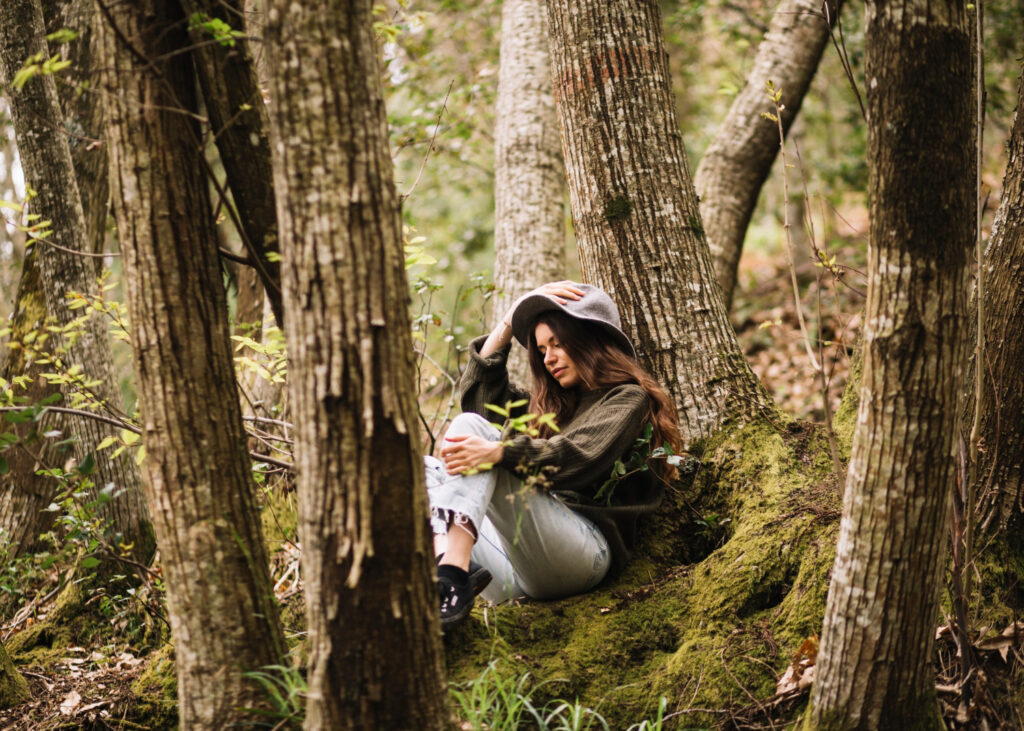
In today’s fast-paced world, stress, anxiety, and burnout have become common challenges. Many people are now turning back to nature to restore balance in their lives. Among the most powerful nature-based wellness practices are forest therapy and forest bathing. These practices are simple, accessible, and deeply transformative.
If you’re new to this concept or considering becoming a practitioner, this article will guide you through the essentials and explain how these practices can positively impact your well-being.
What Is Forest Therapy?
Forest therapy is a guided, evidence-based practice that supports healing and wellness through immersive experiences in nature. Unlike hiking or outdoor exercise, forest therapy focuses on slowing down, engaging the senses, and building a mindful relationship with the natural world.
A trained guide leads participants through a structured experience designed to reduce stress, improve mood, and enhance overall mental clarity. If you want a deeper understanding of the professional pathway and how guided sessions work, you can explore this detailed forest therapy guide.
Forest therapy is often used in wellness programs, mental health support, corporate retreats, and personal growth journeys. It combines elements of mindfulness, ecology, and therapeutic presence, creating a safe space for participants to reconnect with themselves and the environment.
Understanding Forest Bathing
While forest therapy is guided, forest bathing is a broader concept that anyone can practice. The term originates from Japan, where it is known as “Shinrin-yoku,” meaning “taking in the forest atmosphere.” It involves immersing yourself in nature through your senses rather than through physical exertion.
Forest bathing encourages you to:
- Walk slowly and mindfully
- Observe natural patterns
- Listen to the sounds of birds and wind
- Feel the texture of leaves or tree bark
- Breathe deeply and naturally
This practice has been studied extensively and is linked to lower cortisol levels, improved immune function, better sleep, and reduced anxiety. To learn more about how it works and its benefits, visit this comprehensive resource on forest bathing.
The beauty of forest bathing is its simplicity. You do not need special equipment or advanced skills—just time, intention, and a natural setting.
Forest Therapy vs. Forest Bathing: What’s the Difference?
Although the terms are sometimes used interchangeably, there are important differences.
Forest bathing is typically self-guided and informal. It focuses on sensory immersion and personal reflection. You can practice it alone whenever you spend intentional time in nature.
Forest therapy, on the other hand, is structured and guided by a trained professional. The guide creates a carefully designed experience with invitations and prompts that help participants slow down and engage deeply with the environment.
Both practices offer powerful benefits. The choice between them depends on your personal goals. If you are seeking structured support, group connection, or professional development, forest therapy may be ideal. If you want a flexible and independent approach, forest bathing is a great starting point.
The Science Behind Nature-Based Healing
Research shows that time spent in forests can significantly improve mental and physical health. Studies indicate that exposure to trees and natural environments can:
- Reduce stress hormones
- Lower blood pressure
- Improve mood
- Strengthen the immune system
- Increase focus and creativity
Trees release natural compounds called phytoncides, which may enhance immune function. Additionally, natural settings help calm the nervous system, shifting the body from a stress response to a state of relaxation.
Modern lifestyles often disconnect us from nature. Forest therapy and forest bathing help restore that connection in a meaningful and measurable way.
Who Can Benefit from These Practices?
Almost everyone can benefit from spending intentional time in nature. These practices are particularly helpful for:
- Professionals experiencing burnout
- Individuals dealing with anxiety or stress
- People seeking mindfulness practices
- Health and wellness practitioners
- Coaches, therapists, and educators
Forest therapy sessions are inclusive and adaptable. They do not require high physical fitness levels, making them accessible to a wide range of participants.
For wellness professionals, becoming a forest therapy practitioner can open new opportunities to support clients in holistic ways. The growing demand for nature-based wellness services reflects a global shift toward sustainable and preventative health practices.
How to Start Your Journey?
Starting your journey is easier than you might think. Here are simple steps to begin:
- Choose a quiet natural setting such as a park, forest, or garden.
- Leave distractions behind, including phones when possible.
- Slow your pace and focus on your breathing.
- Engage each of your senses intentionally.
- Spend at least 20 to 40 minutes immersed in the experience.
If you’re interested in a deeper or more structured experience, consider working with a trained guide. Guided sessions can help you explore nature in new ways and deepen your personal growth.
You may also want to explore professional training pathways if you feel called to help others reconnect with nature. Many practitioners describe their work as meaningful, fulfilling, and aligned with sustainable wellness values.
Why Nature Matters More Than Ever?
In a world filled with digital overload and constant demands, reconnecting with nature is no longer a luxury—it is essential. Forest therapy and forest bathing remind us that healing does not always require complexity. Sometimes, the most powerful medicine is simply time spent among trees.
By slowing down and allowing nature to guide your awareness, you can restore balance, build resilience, and cultivate inner peace. Whether you choose self-guided forest bathing or work with a trained professional through a forest therapy guide, the journey begins with a single mindful step into the natural world.
Nature is always available. The invitation is open.