
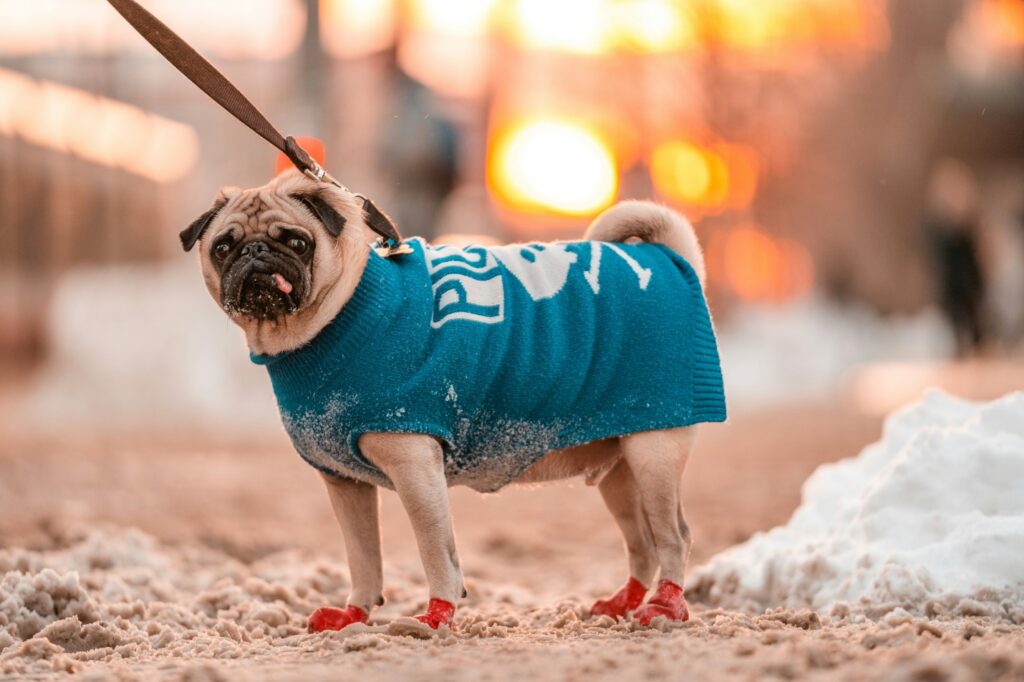
Winter weather can be just as tough on your dog’s paws as summer heat. Many people think pavement problems only happen in hot months, but winter brings its own risks. Cold sidewalks, icy roads, and chemically treated pavements can damage sensitive paw pads if they are not protected.
This is where dog boots come in. Designed to act as a barrier between your dog’s paws and the ground, boots help reduce discomfort and lower the risk of injury during winter walks. In this guide, we will explain why winter pavement is dangerous, how dog boots help, and what features matter most when choosing the right pair.
Why Winter Pavement Can Harm Your Dog’s Paws?
During winter, pavement surfaces often become cold, rough, and chemically treated. Ice, snow, and salt may seem harmless, but repeated exposure can cause real damage to paw pads.
Cold temperatures can dry out your dog’s paws, leading to cracks and irritation. Once the skin is cracked, salt and chemicals used to melt ice can easily enter and cause pain or infection. Some dogs may lift their paws, walk slowly, or refuse to continue a walk because of discomfort.
Dogs do not always show pain clearly, especially when they are excited to be outside. That is why prevention is much better than treating paw injuries later.
How Dog Boots Help During Winter Walks?
Dog boots act as a protective layer between your dog’s paws and the ground. In winter, this protection becomes especially valuable.
Boots help block direct contact with ice-cold surfaces, reducing the risk of frost-related discomfort. They also prevent salt and chemical deicers from sticking to paw pads. For dogs that walk on concrete or asphalt daily, boots can reduce wear and tear on the paws over time.
Many winter-friendly dog boots are designed to provide grip as well, which helps prevent slipping on icy or wet pavement.
Dog Boots for Hot Pavement Used in Cold Weather
The same boots designed for extreme surfaces can work well in winter conditions too. Dog Boots for Hot Pavement are often made with durable soles and protective materials that also shield paws from cold and rough winter ground.
These boots are usually built to handle temperature extremes. When used in winter, they help maintain comfort while walking on frozen sidewalks or roads that feel harsh on bare paws. The key is choosing boots with proper insulation, flexibility, and secure fit.
Why Fit Matters More in Winter?
A poor fit can make winter boots uncomfortable or unsafe. If boots are too loose, snow can get inside and cause irritation. If they are too tight, they may restrict blood flow and make paws colder.
A good fit should feel snug but not tight. Your dog should be able to walk naturally without dragging or shaking their paws constantly. Always check sizing guides carefully and observe your dog during the first few walks.
The Role of Mesh Dog Boots in Winter
Many pet owners assume mesh boots are only for warm weather, but Mesh Dog Boots can also be useful in winter under the right conditions.
Mesh designs allow better airflow, which helps prevent moisture buildup inside the boot. This is important in winter because trapped moisture can make paws colder. Mesh boots work best for mild winter days, light snow, or wet pavement rather than deep snow or extreme cold.
They are especially helpful for dogs that dislike heavy boots but still need basic protection from salt and rough surfaces.
Key Features to Look for in Winter Dog Boots
Not all dog boots are made the same. When choosing boots for winter pavement, focus on practical features rather than appearance.
Look for boots with durable soles that protect against rough ground and chemicals. A secure fastening system helps keep boots in place during longer walks. Soft inner lining improves comfort, especially in colder temperatures.
For dogs that walk on slippery surfaces, traction is important. A sole that grips well can help prevent slips and falls on icy pavement.
How to Get Your Dog Comfortable Wearing Boots?
Many dogs need time to adjust to boots. The first few times may look awkward, but this is normal.
Start by letting your dog sniff and inspect the boots indoors. Put them on for short periods and reward calm behavior. Practice walking inside before heading outdoors. Gradually increase wear time until your dog feels comfortable walking normally.
Patience is important. Most dogs adapt within a few days when the experience is kept positive.
When Dog Boots Are Especially Helpful in Winter
Some dogs benefit from boots more than others during cold months.
Senior dogs may have sensitive paws and joints that react poorly to cold pavement. Small dogs often feel the cold faster than larger breeds. Dogs with thin paw pads or a history of paw injuries also benefit from extra protection.
If your area uses a lot of salt or chemical deicers, boots can prevent repeated irritation and make daily walks safer.
Final Thoughts
Winter walks should be enjoyable, not painful. Cold pavement, ice, and salt can quietly harm your dog’s paws if left unprotected. Dog boots provide a simple and effective solution for keeping paws safe and comfortable during colder months.
Whether you choose insulated boots or breathable mesh designs, the right pair can make a big difference in your dog’s winter routine. With proper fit, gradual training, and smart use, dog boots help ensure your dog stays happy, healthy, and ready for every winter walk.