
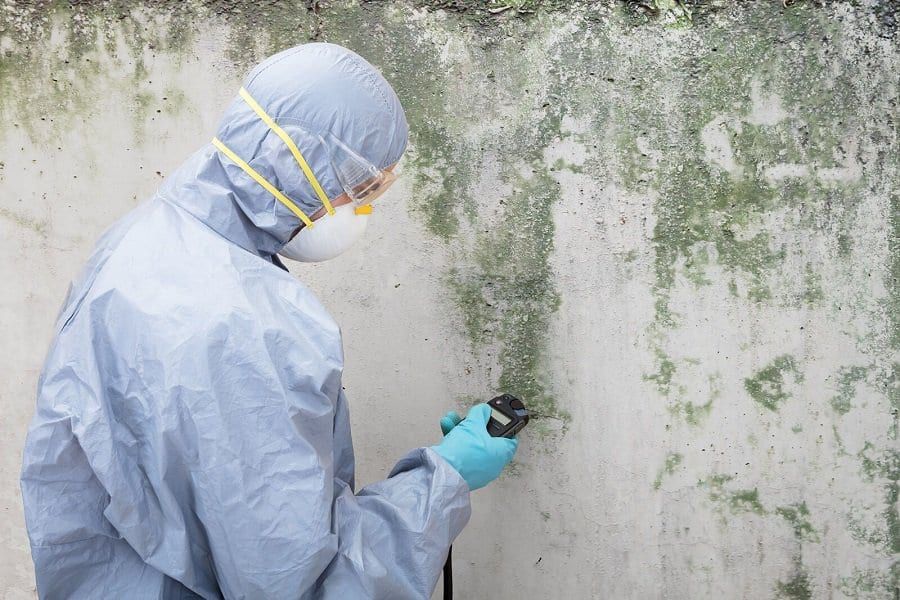
Mold is a common problem in many homes and buildings. It thrives in damp, dark, or poorly ventilated spaces, from basements and bathrooms to attics and crawl spaces. Beyond damaging surfaces, mold can impact indoor air quality and even trigger health issues such as allergies, respiratory irritation, and asthma. Because of these risks, effective mold removal is critical for maintaining a safe and comfortable living or working environment.
One approach gaining attention for its safety and efficiency is dry fog mold removal. Unlike traditional methods that often require scrubbing or extensive water-based cleaning, dry fog uses a fine mist to reach mold in hidden areas, including behind walls, in ducts, and under furniture. This technique allows for thorough treatment without soaking surfaces, making it particularly appealing for sensitive environments. Its growing popularity comes from a combination of effectiveness, safety, and the ability to reach areas that are difficult to clean by conventional means.
How Dry Fog Mold Removal Works?
Dry fog mold removal works by dispersing microscopic droplets of a mold-killing solution into the air. These droplets are so fine that they behave like a gas, drifting into cracks, crevices, and other areas where mold may hide. Once the fog settles, it neutralizes mold spores on surfaces, helping to stop mold growth before it can spread further.
The science behind dry fog is simple but effective. The tiny droplets remain suspended in the air longer than traditional sprays, giving them time to contact and kill mold in hard-to-reach places. This is especially valuable in spaces where mold can grow behind walls, ceilings, or inside HVAC systems, areas often missed by manual cleaning.
Compared with traditional mold removal methods, dry fog offers several advantages. Standard cleaning can require physical scrubbing and significant water use, which may damage sensitive materials and leave surfaces damp, potentially encouraging more mold growth. Dry fog, on the other hand, minimizes moisture exposure while providing thorough coverage, making it a safer option for many residential and commercial settings.
Benefits of Using Dry Fog for Mold Removal
One of the main benefits of dry fog mold removal is its impact on health and safety. Because the fog penetrates hidden mold colonies, it helps reduce the number of airborne spores, which can improve indoor air quality and reduce allergy symptoms for occupants. The method is designed to be gentle on both people and pets, especially when performed correctly by trained professionals.
Efficiency is another key advantage. The fine mist can cover large areas quickly and access tight spaces that are difficult to clean manually. This can save time, reduce disruption, and make mold remediation more comprehensive.
Additionally, dry fog minimizes the risk of damage to furniture, walls, and electronics. Traditional wet cleaning can sometimes saturate surfaces, causing staining or warping. Dry fog keeps moisture levels low while still eliminating mold, preserving the integrity of your property.
Common Applications and Use Cases
Dry fog mold removal is versatile and can be used in a variety of settings. In residential homes, it is often applied to basements, bathrooms, attics, and other areas prone to dampness. Its ability to reach behind walls and inside vents makes it an effective solution for hidden mold problems.
Commercial buildings, including offices and retail spaces, also benefit from dry fog treatments. Mold in air ducts or behind partitions can compromise air quality and employee comfort. Dry fog provides a thorough, low-disruption way to address these issues.
Industrial environments or large-scale facilities often face more complex mold challenges. In warehouses, storage areas, or manufacturing sites, the fog can cover large spaces efficiently, reaching areas that would otherwise require labor-intensive manual cleaning.
Safety Precautions and Preparation
Before using dry fog mold removal, preparation is essential. Start by clearing the area of personal items or covering surfaces that could be affected. Ensure proper ventilation in adjoining rooms and close off areas that do not require treatment.
Protective measures for people and pets are critical. Even though dry fog is generally safe, limiting exposure during the process is important. Professionals often recommend leaving the treated area for a period while the fog works, then ventilating thoroughly before reentry.
Handling the chemicals involved requires care. The solutions are designed to be safe when used as directed, but always follow instructions and safety guidelines to avoid accidental exposure. Using proper protective gear such as gloves, masks, or eyewear is advised when preparing or operating fogging equipment.
Signs You Might Need Professional Dry Fog Mold Removal
Not all mold problems are obvious. Hidden mold may exist behind walls, under flooring, or inside air ducts, making detection difficult. Common indicators include a musty odor, water stains, or areas of discoloration on walls or ceilings.
Health symptoms can also signal mold exposure. If you or your family members experience unexplained allergic reactions, frequent sneezing, itchy eyes, or respiratory issues, hidden mold may be the cause.
DIY methods can sometimes be insufficient, particularly for extensive mold infestations or areas that are hard to access. In these cases, professional dry fog mold removal ensures thorough coverage and reduces the risk of mold returning.
Post-Treatment Tips and Maintenance
After treatment, proper care is crucial to maintain a mold-free environment. Ventilating the area helps remove any remaining airborne particles and speeds up the drying process.
Preventive measures are equally important. Keep indoor humidity levels low, repair leaks promptly, and ensure proper ventilation in damp-prone areas to discourage mold growth. Regular inspections, particularly in hidden or hard-to-reach spaces, can help catch potential issues early.
Monitoring moisture levels over time provides an additional layer of protection. Using dehumidifiers or humidity sensors can help ensure your space stays dry and mold-free.
Conclusion
Dry fog mold removal offers a safe, effective, and minimally disruptive way to tackle mold in homes, offices, and industrial settings. Its ability to penetrate hidden areas, reduce airborne spores, and limit surface damage makes it a preferred option for many property owners.
While the process is efficient, ongoing prevention and proper application are key to long-term results. Maintaining low humidity, addressing leaks promptly, and keeping an eye on potential problem areas will help protect your property from mold in the future. By understanding and using dry fog mold removal thoughtfully, you can maintain a healthier, cleaner, and safer environment for everyone in your space.
FAQs
Is dry fog mold removal safe for pets and children?
Yes, when applied properly. The fog uses minimal moisture and safe solutions, but it’s best to keep pets and children out of the area during treatment.
Can I do dry fog mold removal myself?
Small areas may be treated DIY, but hidden or widespread mold is best handled by professionals to ensure full coverage and safety.
How long does the treatment last?
Dry fog kills existing mold, but preventing moisture buildup and leaks is key to long-term results. Regular monitoring is recommended.
Will it damage my furniture or electronics?
No. Dry fog uses tiny droplets that minimize moisture exposure, protecting furniture, walls, and electronics.
How soon can I reenter the space after treatment?
Typically, you should wait until the fog settles and the area is ventilated, usually a few hours depending on the size of the treated space.