Strong core muscles help people move safely every day. Trainers teach better when lessons stay clear and simple. Many clients struggle with balance and posture during workouts.
They need coaching that matches their current ability level. Good trainers watch movement before adding harder exercises today. Do you check breathing patterns during every exercise session?
Breathing helps protect the spine during lifting activities today. Simple drills can improve stability faster than heavy machines. Short routines often work better for beginners and children.
Consistency matters more than perfect effort each workout week. Keep reading to learn practical steps for safer training.
Teach Bracing Before Movement Starts
New clients rush into exercises without preparing their muscles. Start sessions by teaching gentle abdominal bracing positions first. Use standing and floor positions for a clear understanding daily.
Explain how ribs stay down, and the spine stays neutral. Ask clients to cough lightly to feel deep muscles working. Practice five breaths before every main activity begins today.
This habit reduces back stress during squats and lifting. Repeat during warmups until the pattern becomes automatic daily.
Focus on Slow Controlled Repetitions Always
Fast movement hides weak areas in the trunk muscles. Slow motion helps trainers observe alignment and joint stability. Count three seconds down and two seconds up consistently.
Use mirrors or hands-on cues for clear body awareness. Stop sets once posture changes or shaking increases heavily. Quality matters more than the number of completed repetitions daily.
Teach rest pauses so muscles can recover between harder efforts. Clients learn patience and avoid unnecessary soreness afterward.
Use Simple Progressions Instead of Quick Difficulty Jumps
Clients often fail when exercises advance too quickly, too early. Begin with floor positions like dead bugs and bridges. Next, add kneeling patterns and light resistance bands carefully.
Standing rotations come only after balance improves noticeably first. Record progress so clients see improvement and stay motivated. This method supports the gradual development of safe bodyweight strength skills.
Programs can adapt for children, adults, and older beginners. Progression protects joints and keeps sessions enjoyable weekly.
Add Anti-Rotation Drills for Better Stability
Many people twist their spines during daily lifting tasks. Teach resistance against rotation using bands and cables carefully. Pallof presses train deep stabilizers without heavy strain today.
Hold positions for ten seconds while breathing slowly and calmly. Watch shoulders remain level during every repetition performed. Apply light resistance first, then gradually increase tension.
This skill supports carrying groceries and backpacks safely outside. Athletes benefit from improved running and jumping control.
Connect Core Training to Daily Activities
Clients stay motivated when exercises match real-life tasks. Explain how movements help walking, climbing, and lifting objects. Practice sit-to-stand patterns from chairs with good posture.
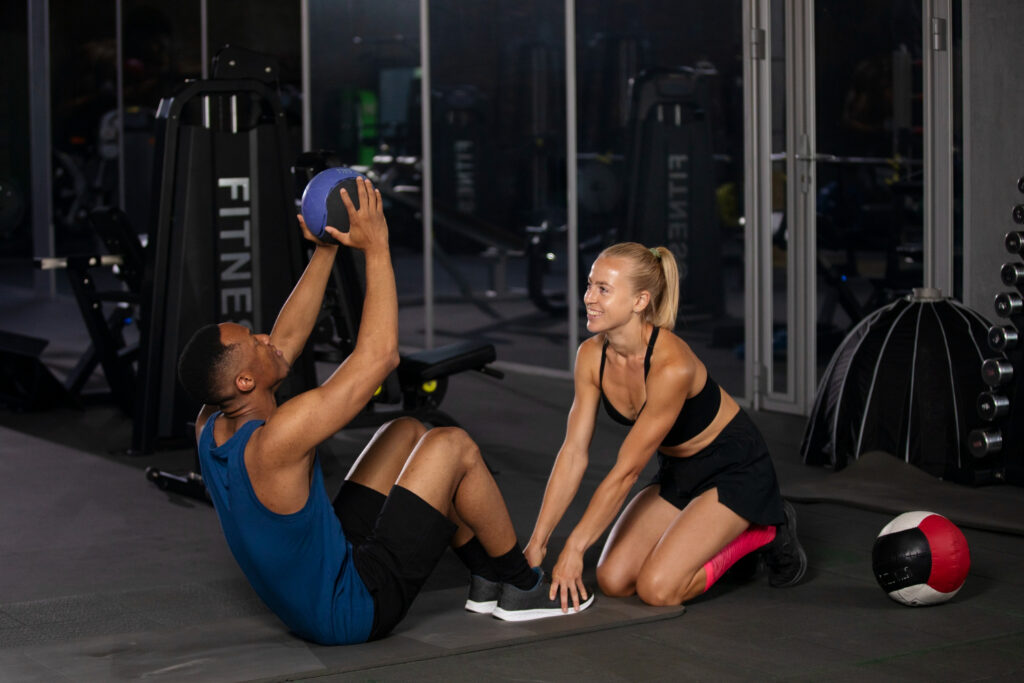
Teach reaching overhead without arching the lower back excessively. Carry light bags evenly using balanced trunk muscles daily. Add gentle twisting tasks like passing medicine balls slowly.
Relate drills to sports, hobbies, and school activities often. Learning feels useful instead of a random gym effort.
Elevate Your Training with Core Techniques
Core training should stay simple, clear, and useful daily. Personal trainers guide safety before chasing hard workouts always. Teach breathing, bracing, and slow control every session first.
Progress gradually and connect drills to normal life actions. Clients learn faster when instructions stay short and friendly. Consistency builds strength better than random, intense exercises weekly.
Young learners need clear reasons for each movement. Use these tips to help people move better forever.
Did you find this article helpful? If so, check out the rest of our site for more informative content.