
Electric ebike kits have become a popular choice for riders who want the benefits of an electric bike without buying a brand-new model. Essentially, an electric ebike kit allows you to convert a regular bicycle into an electric one by adding a motor, battery, and controller. For many riders, this approach provides flexibility, affordability, and the satisfaction of customizing their bike to fit their exact needs.
Riders often choose electric ebike kits instead of purchasing a new electric bike for several reasons. Conversion kits tend to be more cost-effective, allowing you to keep a bike you already love while enjoying the convenience of motorized assistance. They also give you more control over the bike’s performance, letting you select motor power, battery size, and other features. Whether you’re a daily commuter seeking easier rides, a hobbyist exploring new cycling adventures, or a casual rider who wants occasional support on hills or long distances, an electric ebike kit can be an ideal solution.
What an Electric Ebike Kit Is and How It Works?
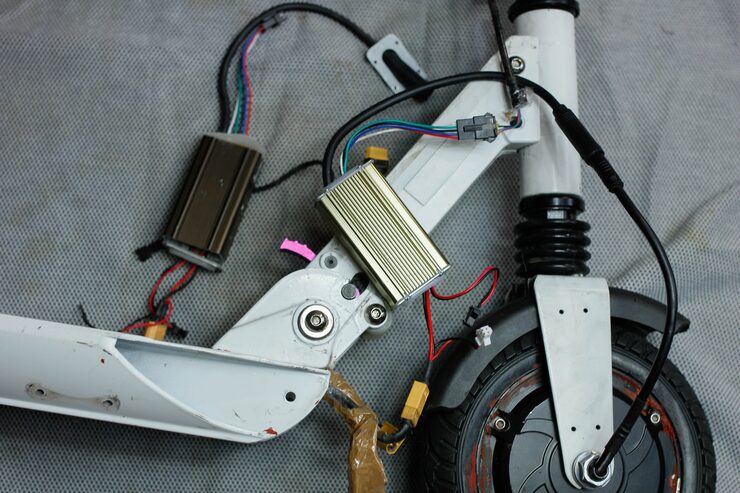
An electric ebike kit usually includes three main components: a motor, a battery, and a controller. The motor provides the necessary power to assist your pedaling or, in some cases, fully propel the bike. The battery stores energy to run the motor and determines how far and long you can ride. The controller acts as the bridge between your input—through pedaling or throttle—and the motor, ensuring smooth power delivery.
Electric ebike kits generally offer two types of assistance. Pedal assist systems amplify your pedaling, making hills and longer rides easier without changing how you ride. Throttle-based systems allow the bike to move using the motor alone, which can be useful for quick starts or riding without pedaling. Understanding these differences helps riders choose a kit that best suits their preferred cycling style.
Types of Electric Ebike Kits Available Today
Front Hub Motor Kits
Front hub motor kits place the motor in the front wheel hub. These kits are often easier to install and are suitable for bikes that primarily ride on flat surfaces. They provide a balanced feel but may affect traction in slippery conditions.
Rear Hub Motor Kits
Rear hub motor kits place the motor in the rear wheel hub, offering better traction and a more natural riding feel. These kits are generally preferred for riders who tackle hills or carry heavier loads, as they provide stronger acceleration and stability.
Mid-Drive Kits
Mid-drive kits position the motor near the bike’s bottom bracket, directly driving the crankset. This placement provides a more balanced ride and efficient power transfer, especially on challenging terrain. Mid-drive systems are often more expensive but deliver superior performance for serious cyclists.
Each kit type affects performance, handling, and ride feel differently. Understanding these distinctions helps riders select a conversion that meets their daily needs and riding style.
Choosing the Right Electric Ebike Kit for Your Bike
Selecting the correct electric ebike kit begins with compatibility. Different bike frames and wheel sizes may require specific kits. Ensuring the kit matches your bike’s specifications is essential for safety and performance.
Power ratings are another key factor. Motor wattage influences both speed and torque. Higher wattage motors generally offer stronger acceleration and better hill climbing but can also drain the battery faster. Battery capacity, measured in amp-hours or watt-hours, determines how far you can ride on a single charge. Riders should consider their typical commute distance, terrain, and daily usage when evaluating battery size.
Performance Expectations from an Electric Ebike Kit
While electric ebike kits can significantly enhance your riding experience, understanding realistic performance expectations is important. Average speed and range vary depending on terrain, rider weight, and riding style. Hills, wind, and additional load can reduce the distance a battery can cover in one ride.
It’s also important to recognize what upgrades can achieve compared to factory-built electric bikes. Kits provide flexibility and customization but may not fully match the performance or durability of some pre-built electric bikes. Knowing the limits helps riders plan their use and avoid disappointment.
Installation Basics and What to Know Before You Start
Installing an electric ebike kit typically requires moderate technical skill, though many kits are designed for easy installation. Basic tools such as wrenches, screwdrivers, and sometimes a torque wrench are often sufficient.
Preparation is key: ensuring your bike is in good working order before adding a kit can prevent problems during installation. Common mistakes include incorrect wiring, misaligned motors, or loose connections, all of which can affect performance or safety. Taking time to follow instructions carefully or seeking professional help when needed ensures a smooth conversion process.
Legal and Safety Considerations for Electric Ebike Kits
Before converting a bike, it’s essential to understand local laws and regulations. Many regions classify electric bikes based on motor power and maximum speed. Staying within these limits keeps your bike street-legal and avoids fines.
Safety is equally important. Wearing a helmet, using lights and reflectors, and riding responsibly are critical practices. Additionally, being aware of local rules regarding where electric bikes can be ridden ensures compliance and reduces risk for both the rider and others.
Cost Breakdown and Long-Term Value
Electric ebike kits vary widely in price, depending on motor type, battery size, and additional features. Front hub kits are generally more affordable, while mid-drive systems are at the higher end of the spectrum.
Maintenance costs are another factor to consider. Batteries need proper charging and occasional replacement, while motors and controllers may require minor upkeep. Compared to buying a new electric bike, a kit often provides a more affordable entry into electric riding, especially if you already own a suitable bike.
Maintenance and Care for Long-Term Reliability
Proper care ensures your electric ebike kit lasts for years. Battery management is crucial: avoid overcharging, store batteries in a cool dry place, and follow manufacturer guidelines for charging cycles.
Motor and electrical components should be kept clean and dry. Regular checks for loose wires or connectors can prevent malfunctions. Following these simple steps helps extend the lifespan of your electric ebike kit and ensures reliable performance.
Who Should Consider an Electric Ebike Kit?
Electric ebike kits are ideal for riders who want flexibility and cost savings. Commuters looking for easier rides, hobbyists experimenting with different terrains, and casual cyclists seeking extra support all benefit from conversions.
Situations where a kit makes sense include keeping a favorite bike while gaining electric assistance, or customizing performance without committing to a new purchase. Riders with specific lifestyle goals, such as longer commutes, leisurely weekend rides, or carrying loads, often find kits to be the perfect solution.
Conclusion
Electric ebike kits offer an accessible and practical way to enjoy the benefits of electric cycling. They allow riders to transform a standard bike into an electric-assisted machine, offering convenience, cost savings, and customization. While kits have some limitations compared to factory-built ebikes, they provide flexibility and a hands-on approach that many riders enjoy.
By understanding compatibility, performance expectations, installation, and maintenance, riders can make informed decisions about whether an electric ebike kit is the right choice. For anyone looking to enhance their ride without buying a completely new bike, these kits are a practical, reliable, and enjoyable option.
FAQs
What is an electric ebike kit?
It’s a set of parts—motor, battery, and controller—that turns a regular bike into an electric-assisted bike, helping you ride faster and with less effort.
Can any bike use an electric ebike kit?
Most standard bikes can, but frame size, wheel size, and brake type may affect compatibility. Always check the kit’s specifications first.
How fast can an electric bike go with a kit?
Speeds usually range from 15–28 mph, depending on motor power, rider weight, and terrain.
Do I need technical skills to install a kit?
Basic DIY skills and tools are enough for most hub kits, while mid-drive kits may need moderate technical knowledge or professional help.
How long does the battery last?
Battery life varies with capacity and usage but typically ranges from 20 to 60 miles per charge. Proper care extends its lifespan.