
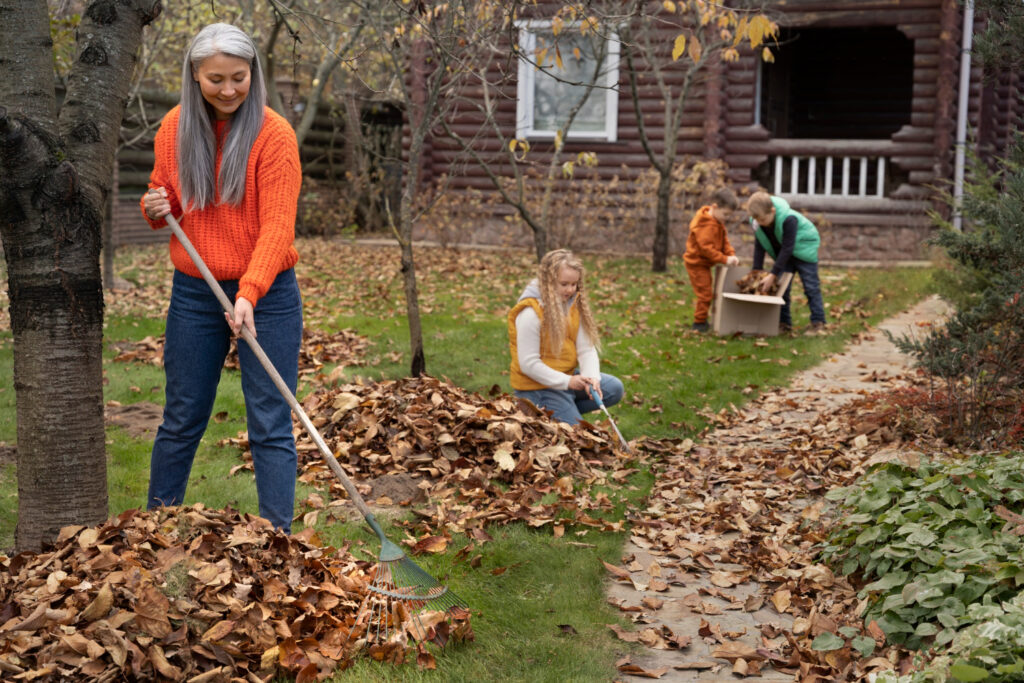
Autumn is the season where your home quietly asks for a little help before winter shows up with icy boots on. Leaves pile up, gutters fill, and your roof takes on more stress than you realize. The good news is you do not need a massive renovation plan to protect your place. A few smart fall habits can prevent water damage, slippery walkways, and surprise repairs when the temperature drops. This guide walks you through practical leaf cleanup and roofing prep tips that make your home safer, drier, and easier to maintain all winter long.
Start With Leaf Cleanup Before It Becomes a Winter Problem
Leaves are not just messy. When they collect in the wrong places, they trap moisture, block drainage, and create slick surfaces that can lead to falls. It is worth removing excess leaves before winter and treating leaf cleanup as part of your winter safety checklist rather than a cosmetic chore.
Clear Walkways, Stairs, and High-Traffic Areas First
The quickest win is to focus on anywhere people walk. Wet leaves can behave like a thin layer of ice once they break down, especially on smooth concrete, wood steps, and brick pavers. Rake or blow leaves off:
- Front steps and porch areas
- Sidewalks and driveways
- Patio surfaces and deck stairs
- Entry paths to trash bins and sheds
If you have older family members or frequent visitors, this simple habit reduces the chance of a slip before winter even arrives.
Keep Leaves Out of Gutters and Drainage Paths
Gutters and downspouts are designed to move water away from your home. When leaves block that system, water spills over the edge, pools near your foundation, and can seep into basements or crawl spaces. This gets worse in winter when overflow water refreezes and forms ice.
For a dependable routine, aim to clean gutters once early in the season and once after most trees have dropped. If your yard has heavy leaf fall, you may need a quick check after big windstorms.
Use Mulching to Reduce Waste and Add Value
Instead of bagging everything, consider mulching leaves with a mower. This creates small pieces that break down faster and can feed your lawn or garden beds. It also reduces the number of leaf bags you haul to the curb. Keep mulched leaf layers thin so grass can still breathe.
Watch for the Trouble Spots Near Your Roofline
It is easy to miss leaves that collect in roof valleys, around dormers, and behind chimneys. Those pockets can hold water against shingles and flashing. A safe approach is to use a blower from the ground with a telescoping attachment, or hire help if your roof pitch is steep. Trapped debris can turn mild moisture into rot, staining, and ice buildup once temperatures swing.
Roof Prep That Protects Your Home All Winter
Your roof is your main weather shield, and autumn is the best time to make sure it is ready. Winter does not create most roof problems, but it exposes the weak points you already had. A quick inspection and a few preventative fixes can save you from chasing leaks during a storm.
Do a Simple Visual Inspection from the Ground
You do not need to climb up to spot many issues. Walk around your home and look for:
- Shingles that appear curled, cracked, or missing
- Dark patches that could indicate moisture retention
- Sagging lines along the roof edge or ridge
- Debris piled in valleys or near vents
If anything looks off, take a few photos. They help you track changes and make it easier to explain concerns to a pro.
Check Flashing and Seals Around Roof Features
Leaks often start where the roof is interrupted. Chimneys, vent pipes, skylights, and roof edges all rely on flashing and sealants. Over time, caulk can shrink and metal can lift slightly. Those tiny gaps are a big deal when melting snow has nowhere to go.
If you notice lifted flashing, rust, or cracked sealant, that is a good reason to schedule repairs before freezing temperatures make quick fixes harder.
Make Gutters and Downspouts Part of Roof Safety
Even though gutters are not technically part of the roof, they are part of the roof system. When they clog, water backs up under the roof edge and can contribute to ice dams. Make sure downspouts discharge away from the foundation and are not pointed toward walkways that could freeze.
If your gutters clog every year, gutter guards can help, but choose a style that works with your tree type and roof layout. Some designs handle pine needles better than others.
Trim Branches That Hang Over the Roof
Overhanging limbs drop leaves and twigs directly onto shingles, and they can scrape roofing materials in high wind. More importantly, branches can fall under heavy snow or ice, which can damage shingles, gutters, and even structural elements.
A good guideline is to keep branches several feet away from the roof surface. If you are not comfortable cutting large limbs, bring in a professional arborist.
Consider a Professional Inspection If Your Roof Is Older
If your roof is approaching the later years of its expected lifespan, a fall inspection is a smart move. Professionals can spot subtle issues like soft decking, early granule loss, or flashing problems that are not obvious from the ground. If you want to compare services or learn what a thorough check includes, horchroofing.com is a useful reference point when you are mapping out next steps.
Prevent Ice Dams and Winter Moisture Problems
Ice dams happen when heat escapes into the attic, warming the roof surface and melting snow. The water runs down to the colder eaves and refreezes, creating a dam that traps more meltwater. That water can back up under shingles and seep into ceilings and walls.
Improve Attic Insulation and Air Sealing
This is the long-term fix that many homeowners overlook. The goal is to keep your attic cold in winter so snow stays frozen on the roof. Focus on sealing air leaks around:
- Attic hatches and pull-down stairs
- Bathroom fans and vent pipes
- Recessed lighting openings
- Wiring penetrations
Then make sure insulation levels are appropriate for your climate. If you are unsure where to start, an energy audit can identify heat loss areas quickly.
Keep Soffit and Ridge Vents Clear
Ventilation works when air can flow in and out. Soffit vents bring in cool air, and ridge vents release warmer air. Leaves, insulation, or animal nests can block venting and raise attic temperatures. Clear obstructions and avoid packing insulation tight against soffit vents.
Manage Snow Safely After Big Storms
If heavy snow piles up on your roof, you may hear advice to remove it. That can help, but only if it is done safely. Roof rakes allow you to pull snow from the edges while standing on the ground. Avoid chipping ice with tools, because that can damage shingles and create new leak points.
A Quick Fall Checklist You Can Repeat Every Year
A consistent routine beats a frantic weekend of last-minute prep. Build a simple habit and your home will be in better shape each season.
Weekly or After Windy Days
- Clear leaves from entry paths and steps
- Check downspouts for obvious clogs
- Look for new debris piles in roof valleys
Monthly Through Late Fall
- Clean gutters or confirm water is flowing properly
- Inspect shingles and flashing from the ground
- Trim small branches and remove dead limbs
Before the First Hard Freeze
- Confirm attic hatch seals well
- Make sure vents are unobstructed
- Test outdoor lighting for darker winter evenings
Final Thoughts
Autumn prep is about preventing the kind of winter problems that are expensive, stressful, and inconvenient. Leaf cleanup helps keep walkways safer and drainage working the way it should. Roof prep reduces the odds of leaks, ice dams, and structural wear when weather gets rough. If you tackle a few steps now, winter becomes less of a gamble and more of a season you can actually enjoy.