
Introduction
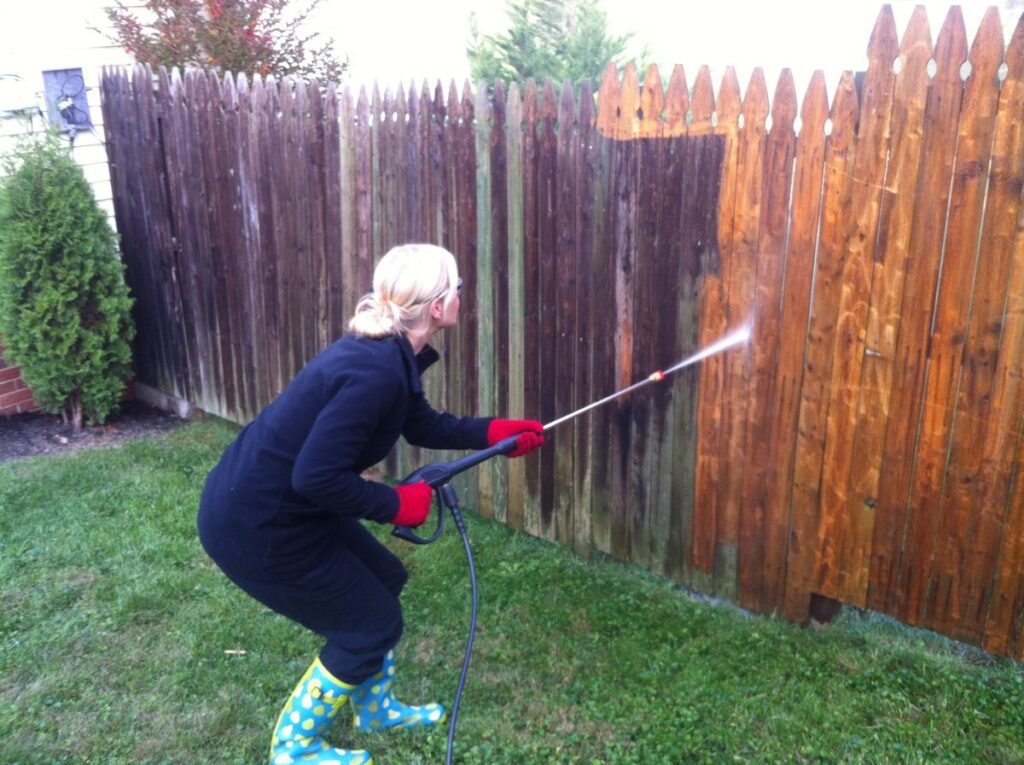
A fence sprayer is a tool designed to make the task of painting, staining, or sealing fences faster, easier, and more consistent than traditional brushes or rollers. For homeowners looking to maintain the look of their yard, DIY enthusiasts working on weekend projects, or professionals handling large-scale fencing jobs, a fence sprayer can be a game-changer.
Fence sprayers are versatile and can be used for a variety of applications, including applying protective stains, painting fences with vibrant colors, or sealing wood to guard against weather damage. Instead of spending hours laboring with a brush or roller, a sprayer allows for smooth, even coverage in a fraction of the time.
In this article, we’ll take a closer look at fence sprayers, guide you on choosing the right one for your project, explain how to prepare and use it effectively, and share tips for cleaning and maintaining your equipment. Whether you’re a first-time user or looking to upgrade your setup, this guide will help you get the best results with minimal stress.
Understanding Fence Sprayers
A fence sprayer is a device that applies paint, stain, or sealant to a fence using pressurized fluid, rather than relying on manual brushing. This process allows for faster coverage and a more uniform finish, making it ideal for both small backyard fences and larger commercial fencing projects.
There are several types of fence sprayers, each suited to different tasks. Airless sprayers use high pressure to force paint through a tiny nozzle, producing a smooth, even coat with minimal overspray. HVLP (High Volume Low Pressure) sprayers, on the other hand, operate at lower pressure and are ideal for precision work, especially on detailed fences. Pump sprayers are a simpler option, often used for applying stains or sealants and are easy to operate for smaller projects.
Using a fence sprayer has several advantages over traditional brushes or rollers. Sprayers save time, reduce physical effort, and create a consistent finish across large surfaces. However, they also have some downsides, such as potential overspray and the need for thorough preparation and cleanup. Despite this, for many homeowners and professionals, the benefits of a sprayer far outweigh the challenges.
Choosing the Right Fence Sprayer for Your Project
Selecting the right fence sprayer depends on several factors. First, consider the size of your fence. Large fences require sprayers with higher capacity and pressure to cover more ground efficiently. For smaller fences, a compact, easy-to-handle sprayer may be sufficient.
Next, think about the material of your fence and the type of finish you plan to apply. Wood, metal, and vinyl fences all have different surface characteristics, and not every sprayer works equally well with every coating. The viscosity of the paint, stain, or sealant can also determine which sprayer is most effective.
Budget is another consideration. Homeowners with occasional projects may prefer a mid-range sprayer that balances cost and performance, while professionals working on frequent jobs might invest in a high-end, durable model built to handle heavy use.
Safety and ease of use should not be overlooked. A sprayer that is too heavy or complicated can make the project frustrating and may increase the risk of uneven application or accidents. Look for features such as adjustable nozzles, ergonomic handles, and easy cleanup mechanisms when choosing the right fence sprayer.
Preparing Your Fence for Spraying
Proper preparation is crucial for achieving a professional-looking finish with a fence sprayer. Start by cleaning the fence thoroughly. Dirt, dust, mildew, and old paint can interfere with adhesion, leading to a patchy or uneven coating. For wooden fences, sanding rough or weathered areas can help the stain or paint adhere better.
Protecting surrounding areas is equally important. Overspray from a fence sprayer can reach nearby plants, siding, or furniture, so use drop cloths, masking tape, or plastic sheeting to prevent unwanted stains.
Timing also matters. The best results are achieved in dry weather with mild temperatures. Spraying in direct sunlight or during high humidity can cause the coating to dry too quickly or unevenly, while windy conditions can increase overspray and mess. Planning ahead ensures a smoother application and a more durable finish.
How to Use a Fence Sprayer Effectively?
Using a fence sprayer effectively requires a steady hand and a bit of practice. Begin by filling the sprayer with your chosen paint, stain, or sealant, following the manufacturer’s instructions for thinning or mixing.
When spraying, maintain a consistent distance from the fence, usually around 12 to 18 inches, to ensure an even coat. Move the sprayer in smooth, overlapping strokes, working from top to bottom. Pay attention to corners, edges, and vertical posts, where the coating may otherwise pool or miss spots.
Avoid common mistakes such as holding the sprayer too close, which can cause runs, or moving too quickly, which leaves thin or patchy areas. Take your time, and don’t rush the process. Spraying in thin layers, rather than trying to cover everything at once, usually produces the best results.
Maintaining and Cleaning Your Fence Sprayer
Proper maintenance keeps a fence sprayer working efficiently and extends its lifespan. Cleaning should always be done immediately after use. For airless sprayers, flush the system with water or a suitable cleaning solvent, depending on the type of coating applied. HVLP and pump sprayers also require disassembly and cleaning of nozzles, hoses, and reservoirs.
Storing your sprayer properly is just as important. Keep it in a dry place, free from dust and temperature extremes, and ensure all parts are fully dried before storage. This prevents clogging, corrosion, or damage over time.
If you encounter problems, such as uneven spray patterns or clogging, check the nozzle, filter, and hoses for blockages. Most issues can be resolved with routine cleaning and minor adjustments. Consistent maintenance saves both time and money in the long run.
Cost, Time, and Efficiency Considerations
Using a fence sprayer can save significant time and effort compared to traditional brushes or rollers. Large fences that would take hours or even days to paint manually can often be coated in a fraction of the time with a sprayer.
While the initial cost of a sprayer may seem higher than brushes or rollers, it often pays for itself in reduced labor and faster completion times. Additionally, a well-applied coating with a sprayer can last longer, reducing the frequency of maintenance.
For occasional projects, renting a fence sprayer can be a cost-effective option. Rental equipment is usually well-maintained and provides access to professional-grade sprayers without the long-term investment. For frequent users, investing in a personal sprayer is typically more practical.
Conclusion
Fence sprayers are practical tools that make fence maintenance faster, easier, and more efficient. They provide smooth, even coverage for painting, staining, or sealing, saving homeowners and professionals alike valuable time and effort.
Choosing the right sprayer, preparing the fence properly, and following effective spraying techniques are essential steps for achieving a professional-looking finish. Regular maintenance and proper storage ensure your sprayer performs reliably for years to come.
With careful preparation and a quality fence sprayer, maintaining a fence becomes a manageable, even enjoyable task, leaving your property looking its best while protecting your investment for the long term.
FAQs
What is the easiest fence sprayer for beginners?
A pump sprayer or HVLP sprayer is best for beginners because it’s lightweight, easy to control, and has minimal overspray.
Can a fence sprayer be used on any type of fence?
Yes, fence sprayers work on wood, metal, or vinyl, but you should choose the sprayer type and coating based on material for the best results.
How do I prevent overspray when using a fence sprayer?
Spray slowly, keep the sprayer close but consistent in distance, and cover nearby plants or surfaces with drop cloths or plastic sheeting.
How often should I maintain or clean my fence sprayer?
Always clean your fence sprayer immediately after each use. Regular maintenance prevents clogs and extends the tool’s lifespan.
Is it better to rent or buy a fence sprayer?
Rent for occasional projects; buy if you frequently maintain fences. Owning saves money over time and allows you to practice for perfect results.