
Introduction
The term “Fiesta Charra” refers to both a lively cultural celebration in Mexico and a popular name for Mexican restaurants across the United States. Rooted in the traditions of the Charro, or Mexican cowboy, Fiesta Charra brings together history, music, equestrian skill, and community spirit. It’s a celebration that honors Mexico’s rich heritage while also offering a taste of authentic Mexican cuisine in restaurants that share the name.
For those interested in Mexican traditions, food, or family-friendly entertainment, Fiesta Charra offers a unique experience. Whether attending a festival or visiting a restaurant, it provides an engaging way to connect with Mexico’s vibrant culture. Today, Fiesta Charra continues to thrive both in its traditional form and in modern culinary experiences, making it highly relevant for anyone looking to explore authentic Mexican heritage.
The History and Origins of Fiesta Charra
The roots of Fiesta Charra are deeply tied to Charrería, Mexico’s traditional equestrian sport. Charrería began centuries ago as a way for ranchers to demonstrate their horse-riding and cattle-handling skills. Over time, these practical skills transformed into a highly structured form of competition, complete with rules, attire, and ceremonial elements.
The Charro tradition itself evolved as a symbol of Mexican identity. Charros wore distinct outfits, often adorned with silver accents, wide-brimmed hats, and boots that reflected their status and pride. The culture emphasized honor, skill, and community participation. As ranching became less central to daily life, the Charro tradition shifted from necessity to celebration, giving rise to Fiesta Charra as a formal cultural event.
Fiesta Charra grew into a popular celebration, combining horse-riding exhibitions, traditional music, dance, and festive gatherings. It became more than just a demonstration of skill; it was a way to preserve Mexican heritage, showcase artistry, and bring communities together. Over time, the festival concept also inspired restaurants in the U.S. to adopt the name, reflecting the cultural pride and inviting diners to experience the flavors and spirit of Mexico.
Charrería: The Heart of Fiesta Charra
At the core of any Fiesta Charra is Charrería, the Mexican rodeo. This tradition highlights the skill, precision, and artistry of horse riding and cattle handling. Key elements of a Charrería event include horseback riding, roping, and other competitive demonstrations, all performed with traditional attire that honors Mexican heritage.
A prominent feature of these events is the escaramuza, where women ride sidesaddle in beautifully decorated dresses, performing synchronized movements with precision and grace. The male Charros also showcase their mastery in horsemanship and roping, creating a spectacle that is both thrilling and culturally rich. These performances are accompanied by live mariachi music and traditional songs, adding to the festive atmosphere.
Recognizing its cultural significance, UNESCO has designated Charrería as an Intangible Cultural Heritage of Humanity. This acknowledgment highlights the importance of preserving the tradition and celebrating its role in Mexican culture. Fiesta Charra events are therefore not just entertainment—they are living expressions of history, artistry, and national pride.
Notable Fiesta Charra Events Across Mexico and the U.S.
Fiesta Charra celebrations can be found in Mexico and throughout the United States, each offering unique experiences that showcase the tradition. In Mexico, places like Xcaret Park provide daily horse exhibitions that combine equestrian skill with storytelling and folklore, allowing visitors to immerse themselves in the cultural significance of Charrería.
In the United States, Lewisville, Texas hosts an annual Fiesta Charra that draws large crowds. These events feature authentic rodeo activities, live music, and food stalls, giving attendees a taste of Mexican heritage close to home. For first-time visitors, it’s helpful to plan ahead, arrive early to watch all performances, and engage with local vendors to fully enjoy the atmosphere.
Attending a Fiesta Charra festival is not just about watching competitions. It’s an opportunity to connect with the culture, try traditional foods, and see the colorful attire and pageantry that make these events unforgettable. Whether in Mexico or the U.S., every festival maintains the essence of the tradition while welcoming modern audiences.
Fiesta Charra as a Culinary Experience
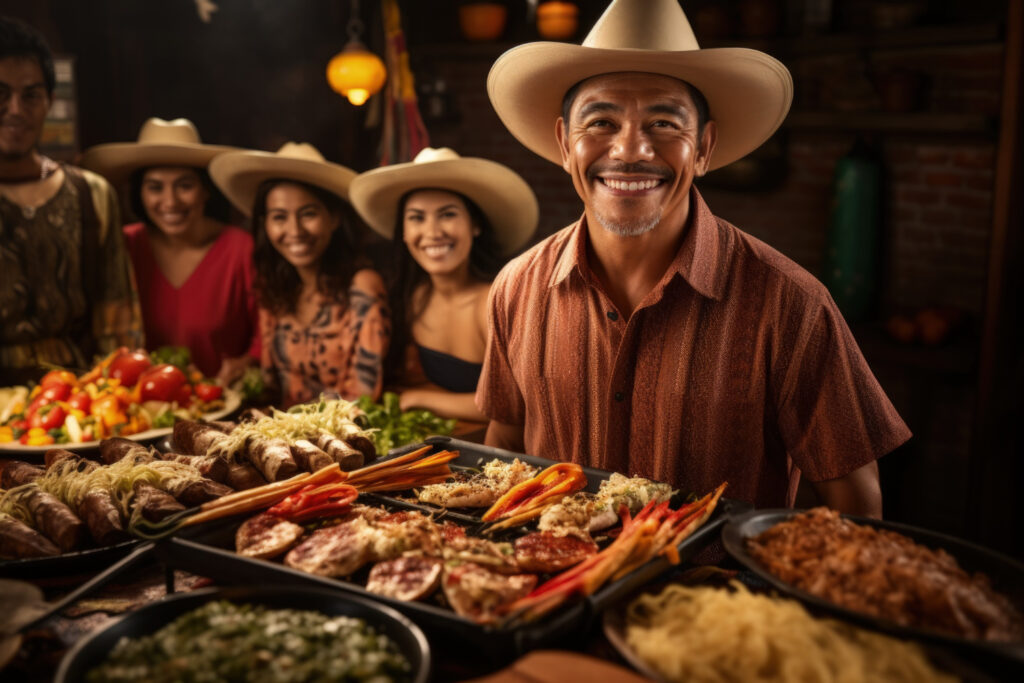
Beyond festivals, Fiesta Charra has also become synonymous with authentic Mexican dining. Restaurants across the U.S., from Michigan to Ohio, use the name to signal a connection to Mexican tradition and flavor. These establishments often feature dishes like fajitas, street tacos, chimichangas, and specialty margaritas, offering diners a taste of the rich culinary culture.
Some locations also host live music or themed events to recreate the celebratory atmosphere of a traditional Fiesta Charra. By doing so, these restaurants bridge cultural heritage and contemporary dining, giving patrons a chance to enjoy Mexican flavors while appreciating the festive spirit associated with the Charro tradition.
What makes these restaurants special is not just the food but the storytelling behind each dish. Many incorporate recipes passed down through generations, regional specialties, and décor inspired by Mexican heritage, creating a holistic experience that goes beyond a typical meal.
Combining Tradition and Modern Celebrations
Modern Fiesta Charra events skillfully balance tradition with contemporary entertainment. While the heart of the festival remains rooted in Charrería, organizers often incorporate live music, dance, and family-friendly activities to appeal to wider audiences. This approach ensures that the festival remains relevant to new generations while respecting its historical origins.
Food and music play a central role in creating this balance. Visitors can enjoy traditional Mexican dishes while listening to live performances that celebrate the culture. Children and families can participate in interactive activities, making the event both educational and fun.
The tradition also continues to grow outside Mexico, with more cities in the U.S. hosting festivals and restaurants embracing the name Fiesta Charra. This expansion allows people from different backgrounds to experience Mexican culture in a welcoming and immersive way, helping preserve the heritage while introducing it to new audiences.
Conclusion
Fiesta Charra is more than a festival or a restaurant name—it is a living celebration of Mexican history, culture, and culinary artistry. From the thrilling displays of Charrería to the rich flavors found in restaurants, it connects people to a tradition that has been preserved for centuries.
By attending a Fiesta Charra event or visiting a restaurant that celebrates it, readers can experience the vibrancy of Mexican culture firsthand. Whether through the skill of the Charros, the elegance of the escaramuzas, or the taste of authentic Mexican dishes, Fiesta Charra continues to honor heritage while providing engaging and memorable experiences.
Exploring a Fiesta Charra is a journey into Mexico’s heart, offering an opportunity to celebrate tradition, community, and the flavors that make this culture so special.
FAQs
What is a Fiesta Charra?
It’s a Mexican festival celebrating Charro traditions with horse riding, roping, music, and dance. It’s also the name of some Mexican restaurants.
Where can I experience a Fiesta Charra?
Major events are in Mexico, like Xcaret Park, and in U.S. cities such as Lewisville, Texas. Many restaurants across the U.S. also offer a Fiesta Charra-themed dining experience.
Who participates in a Fiesta Charra?
Charros (male riders) and escaramuzas (women riders) perform, along with musicians and local communities who celebrate the culture.
What food is served at Fiesta Charra restaurants?
Typical dishes include tacos, fajitas, chimichangas, enchiladas, and signature margaritas, reflecting authentic Mexican flavors.
Is Fiesta Charra recognized internationally?
Yes, Charrería, the heart of Fiesta Charra, is recognized by UNESCO as an Intangible Cultural Heritage of Humanity.