Introduction
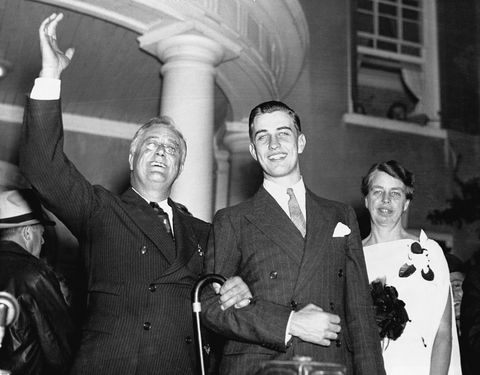
Franklin D. Roosevelt Jr. is a name that carries the weight of one of America’s most prominent political families. Born into a household defined by leadership, public service, and historical significance, he had big shoes to fill from the very beginning. While his father, Franklin D. Roosevelt, is widely remembered as the 32nd President of the United States, Franklin D. Roosevelt Jr. carved out his own path in public life, balancing family expectations with personal ambitions.
His life offers a unique glimpse into the challenges and opportunities faced by those born into a legacy, as well as the ways in which individual contributions can complement a family’s broader historical impact. Understanding his journey is not just a story about one man, but about the evolution of American politics, public service, and personal responsibility during the mid-20th century.
Early Life and Family Background of Franklin D. Roosevelt Jr.
Franklin D. Roosevelt Jr. was born on August 17, 1914, into a family already steeped in political influence and national recognition. As the fifth child of Franklin D. Roosevelt and Eleanor Roosevelt, he grew up in an environment that valued civic duty, social awareness, and intellectual curiosity. His upbringing in Hyde Park, New York, was far from ordinary, with constant exposure to political discussions, high-profile visitors, and the daily workings of a family deeply involved in shaping the country’s future.
The Roosevelt household was a mix of nurturing and high expectations. Eleanor Roosevelt, known for her advocacy and humanitarian work, had a profound influence on all her children, emphasizing empathy, social responsibility, and education. Meanwhile, Franklin D. Roosevelt Sr.’s example of resilience, particularly in overcoming the challenges of polio, instilled a sense of perseverance and public-mindedness. For Franklin D. Roosevelt Jr., these early experiences laid the foundation for a life that would consistently intersect with public service and national affairs.
Education, Early Ambitions, and the Path Toward Public Service
From a young age, Franklin D. Roosevelt Jr. displayed a keen interest in learning and leadership. His education was carefully guided, combining rigorous academic training with exposure to political thought and civic engagement. He attended prestigious schools where he excelled not only in academics but also in debating and extracurricular activities that encouraged critical thinking and responsibility.
His ambitions were influenced by the Roosevelt legacy but were also distinctly his own. Unlike his father, who pursued the presidency, Franklin D. Roosevelt Jr. initially focused on law and governance, aiming to make tangible contributions in public service. He understood that carrying the Roosevelt name came with both opportunities and scrutiny, and he approached his early career with determination to earn respect based on his own merits. This combination of privilege, responsibility, and personal drive shaped the choices he made during his formative years and set him on a path toward leadership and national service.
Military Service and Personal Courage During a Defining Era
The outbreak of World War II marked a turning point for Franklin D. Roosevelt Jr. Like many men of his generation, he answered the call to serve his country during a time of global crisis. He joined the United States Navy and quickly demonstrated courage, adaptability, and dedication. His military service was not only a personal achievement but also a reflection of the Roosevelt family’s broader commitment to the nation.
Serving in the Navy during such a challenging period allowed Franklin D. Roosevelt Jr. to develop leadership skills under pressure and to experience firsthand the realities of conflict and sacrifice. These experiences deepened his understanding of public duty and strengthened his resolve to contribute meaningfully to society. Beyond the battles and assignments, his service also reflected the values instilled by his upbringing: responsibility, courage, and a sense of duty toward others.
Political Career and Public Responsibilities
After the war, Franklin D. Roosevelt Jr. transitioned into a political career, bringing with him the experiences and insights gained from both his upbringing and military service. He served as a congressman for New York, where he focused on issues of national importance while also navigating the unique challenges of being a member of a prominent political family.
Throughout his political career, Franklin D. Roosevelt Jr. demonstrated a commitment to pragmatic governance, often balancing bold ideas with careful consideration of their impact. His work in Congress touched on economic development, social programs, and public policy, showing that his interests went beyond name recognition and toward real-world outcomes. By engaging in public service with sincerity and diligence, he reinforced the Roosevelt family tradition while establishing a personal legacy of civic responsibility.
Key Achievements, Contributions, and Lasting Influence
While Franklin D. Roosevelt Jr. may not be as universally recognized as his father, his achievements were meaningful and had a lasting impact. His contributions to legislation, support for veterans, and involvement in political discourse reflected a nuanced understanding of leadership. Additionally, he worked to promote causes that aligned with his family’s values, such as social welfare, civil rights, and public service initiatives.
Perhaps one of his most significant contributions was his ability to bridge generations. He helped carry forward the ideals of the Roosevelt era while adapting them to a changing world, showing that leadership is not only about the past but also about preparing for the future. His influence extended beyond specific policies to include the example he set as a dedicated public servant committed to ethical leadership.
Personal Life, Character, and the Human Side of Franklin D. Roosevelt Jr.
Beyond politics and public service, Franklin D. Roosevelt Jr. had a rich personal life that revealed his character, humor, and warmth. He valued family deeply, maintaining strong relationships with his siblings and children. Those who knew him often spoke of his kindness, approachability, and willingness to mentor younger generations.
He also enjoyed pursuits outside of politics, including hobbies and interests that allowed him to connect with others in meaningful ways. These aspects of his life remind us that historical figures are more than their public accomplishments—they are shaped by relationships, passions, and personal integrity. For Franklin D. Roosevelt Jr., this human side was an essential complement to his professional life, illustrating a well-rounded and grounded individual.
How Franklin D. Roosevelt Jr. Is Remembered Today?
Today, Franklin D. Roosevelt Jr. is remembered as a thoughtful and committed public servant, someone who contributed to his country while honoring the legacy of his family. Historians and scholars often highlight his ability to balance privilege with responsibility, showing that leadership is not solely inherited but cultivated through action and dedication.
Modern audiences can appreciate his life as a case study in public service, family legacy, and personal integrity. While he may not have reached the same level of fame as his father, his work and character continue to inspire those interested in civic engagement and ethical leadership.
Conclusion – Reflecting on Franklin D. Roosevelt Jr.’s Place in American History
Franklin D. Roosevelt Jr. represents an important chapter in the story of American leadership. His life offers lessons in courage, dedication, and the ways in which personal choices intersect with historical forces. By navigating the responsibilities of a famous family while forging his own path, he demonstrated that legacy is more than a name—it is lived through actions, commitments, and values.
Today, his story reminds us that every generation of leaders has the power to shape the future, and that meaningful contributions can come in many forms, both public and personal. Franklin D. Roosevelt Jr. may not dominate history books, but his legacy continues to resonate through the principles he embodied and the example he set for generations to come.
FAQs
Who was Franklin D. Roosevelt Jr.?
He was the son of President Franklin D. Roosevelt, a lawyer, politician, and public servant known for his military service and contributions to American politics.
What roles did he hold in politics?
He served as a U.S. Congressman from New York and engaged in various public service initiatives.
Did Franklin D. Roosevelt Jr. serve in the military?
Yes, he served in the United States Navy during World War II and earned recognition for his dedication.
How is Franklin D. Roosevelt Jr. remembered today?
He is remembered as a committed public servant, a bridge between generations, and someone who upheld the Roosevelt family legacy.
What were his major achievements?
His key contributions include legislation support, veteran affairs advocacy, and promoting civic responsibility while maintaining family values.