
Introduction
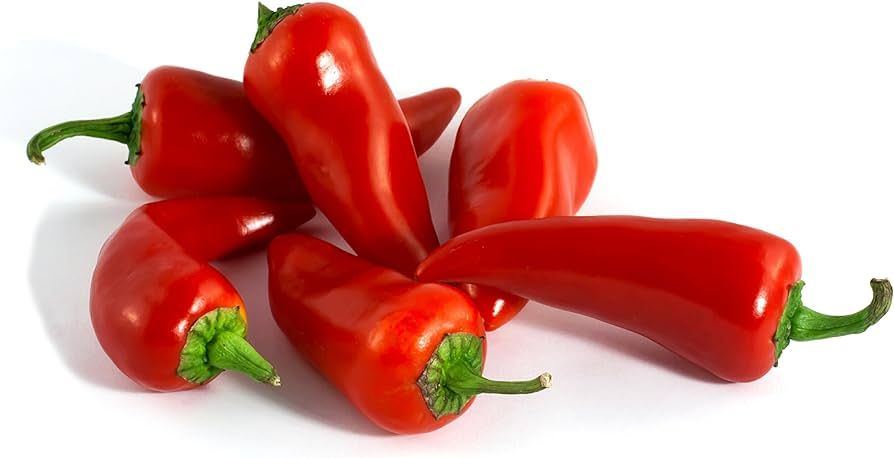
The Fresno chile is a bright, flavorful chili pepper that is widely used in both home kitchens and professional cooking. It looks similar to a jalapeño but has its own unique taste, color, and heat level. Fresno chiles are most often seen in red, though they can also be green when unripe. Their balanced mix of mild heat and fresh flavor makes them easy to use in many types of dishes.
In the larger world of chili peppers, the Fresno chile sits comfortably between mild and hot varieties. It is not overpowering, yet it adds enough spice to wake up a dish. This balance is one of the main reasons it has become a favorite among cooks who want flavor without extreme heat.
Home cooks like Fresno chiles because they are versatile and simple to work with, while chefs appreciate their clean taste, attractive color, and consistent heat. Whether used raw, cooked, or blended into sauces, the Fresno chile fits easily into everyday cooking.
Understanding the Fresno Chile
The Fresno chile was developed in the United States in the mid-20th century. It was first grown in California, where farmers were experimenting with new pepper varieties that could handle the local climate while offering good flavor and yield. Over time, the Fresno chile proved to be reliable and easy to grow, helping it gain popularity.
The name “Fresno chile” comes from Fresno, California, a region known for agriculture and fertile soil. While the pepper was not necessarily invented only in that city, the name stuck as a way to honor the area where it became well known.
Today, Fresno chiles are grown in many parts of the United States, especially in California and the Southwest. They are also cultivated in Mexico and other warm regions where chili peppers thrive. Thanks to modern farming and global trade, Fresno chiles are now available in many grocery stores year-round.
Flavor Profile and Heat Level of Fresno Chile
The Fresno chile has a bright, slightly fruity flavor with a clean chili taste. It is less grassy than a green jalapeño and slightly sweeter, especially when fully ripe and red. This pleasant flavor makes it easy to pair with many ingredients without overpowering them.
In terms of heat, the Fresno chile is usually a bit spicier than a jalapeño but milder than a serrano. Its heat level is noticeable but not harsh, making it comfortable for people who enjoy mild to medium spice. The heat builds gently rather than hitting all at once.
Ripeness plays an important role in both flavor and heat. Green Fresno chiles tend to be sharper and slightly less spicy, while red Fresno chiles are richer, sweeter, and often a little hotter. This change allows cooks to choose the version that best fits their dish.
Fresno Chile vs Other Common Chiles
The Fresno chile is often compared to the jalapeño because they look similar in size and shape. However, Fresno chiles usually have thinner walls, a brighter red color when ripe, and a more fruity flavor. Jalapeños are more earthy and grassy, especially when green, while Fresno chiles taste cleaner and lighter.
When compared to serrano peppers, Fresno chiles are milder and less intense. Serranos deliver a sharper heat that can dominate a dish, while Fresno chiles provide warmth without overwhelming other flavors. This makes Fresno chiles a safer option for a wider range of eaters.
Compared to generic red chili peppers, Fresno chiles stand out for their balance. Many red chilies focus mainly on heat, but the Fresno chile offers both flavor and color. It is often the better choice when you want a pepper that adds taste, not just spice.
Culinary Uses of Fresno Chile
Fresno chiles are extremely versatile in everyday cooking. When used fresh, they can be sliced and added to salads, tacos, sandwiches, or salsas. Their crisp texture and bright taste make them a great topping or mix-in for many dishes.
When cooked, Fresno chiles soften and release more sweetness. They work well in stir-fries, soups, stews, and roasted vegetable dishes. Many cooks also blend them into sauces, marinades, and dressings for a smooth, mildly spicy kick.
Fresno chiles appear in a variety of cuisines, including Mexican, Southwestern, Asian-inspired, and modern American cooking. Their adaptable flavor allows them to fit naturally into both traditional and creative recipes.
Fresh, Dried, and Roasted Fresno Chile Forms
Fresh Fresno chiles offer the brightest flavor and crisp texture. They are best used when you want a clean chili taste and a bit of crunch. Fresh chiles are ideal for raw dishes or quick cooking.
Dried Fresno chiles develop a deeper, slightly smoky flavor. Drying concentrates their taste and reduces moisture, making them useful for spice blends, ground chili powder, or long-cooked sauces. They can be stored for longer periods than fresh chiles.
Roasted Fresno chiles bring out natural sweetness and add a light smoky note. Roasting softens the skin and flesh, making them easy to blend or chop. This form works especially well in salsas, spreads, and warm dishes. Each preparation style offers a different experience, giving cooks flexibility.
How to Select and Store Fresno Chile?
When buying fresh Fresno chiles, look for peppers that are firm, smooth, and glossy. They should feel heavy for their size and have no wrinkles, soft spots, or dark marks. Bright red or vibrant green color is a good sign of freshness.
For storage, fresh Fresno chiles should be kept in the refrigerator, preferably in a breathable bag or container. This helps prevent moisture buildup and slows spoilage. When stored properly, they can last up to two weeks.
If you want to extend shelf life, Fresno chiles can be frozen, dried, or pickled. These methods preserve flavor and allow you to enjoy them long after the fresh season has passed.
Nutritional Value and Benefits of Fresno Chile
Fresno chiles are low in calories but rich in important nutrients. They contain vitamin C, which supports the immune system, and vitamin A, which is important for eye health. They also provide small amounts of potassium and fiber.
As part of a balanced diet, Fresno chiles can add flavor without the need for extra salt or fat. This makes them useful for people looking to eat healthier while still enjoying bold taste.
Like many chili peppers, Fresno chiles contain capsaicin, the compound responsible for heat. Capsaicin is known for its warming effect and may support digestion and metabolism when consumed in moderation.
Growing Fresno Chile at Home
Fresno chiles grow best in warm climates with plenty of sunlight. They prefer well-drained soil and steady watering. Gardeners in mild to hot regions will find them easy to grow during the warmer months.
Basic care includes regular watering, occasional feeding, and protection from extreme cold. The plants are fairly hardy and can produce a good number of peppers when conditions are right.
Harvesting Fresno chiles can be done when they are green or after they turn red. Allowing them to fully ripen on the plant will give a sweeter flavor and slightly higher heat. Regular harvesting also encourages the plant to produce more peppers.
Conclusion
The Fresno chile stands out as a well-balanced pepper that offers both flavor and manageable heat. Its bright taste, attractive color, and flexibility make it useful in many cooking styles and dishes. From fresh salsas to cooked sauces and roasted meals, it adapts easily without losing its character.
Because it is easy to find, simple to use, and enjoyable for a wide range of spice preferences, the Fresno chile remains a reliable choice for home cooks and chefs alike. Its combination of warmth, flavor, and versatility ensures it will continue to have a valued place in kitchens around the world.
FAQs
Is Fresno chile hotter than jalapeño?
Yes, Fresno chile is usually a little hotter than jalapeño, but still mild enough for most people to enjoy comfortably.
Can I substitute Fresno chile for jalapeño?
Yes, Fresno chile works well as a substitute. Just expect slightly more heat and a brighter flavor.
Are Fresno chiles spicy?
They are mildly spicy. Fresno chiles add warmth without being overwhelming, making them great for everyday cooking.
Can Fresno chile be eaten raw?
Yes, Fresno chiles are commonly eaten raw in salsas, salads, and toppings for fresh flavor and crunch.
How long do Fresno chiles last in the fridge?
Fresh Fresno chiles can last up to two weeks when stored properly in the refrigerator.