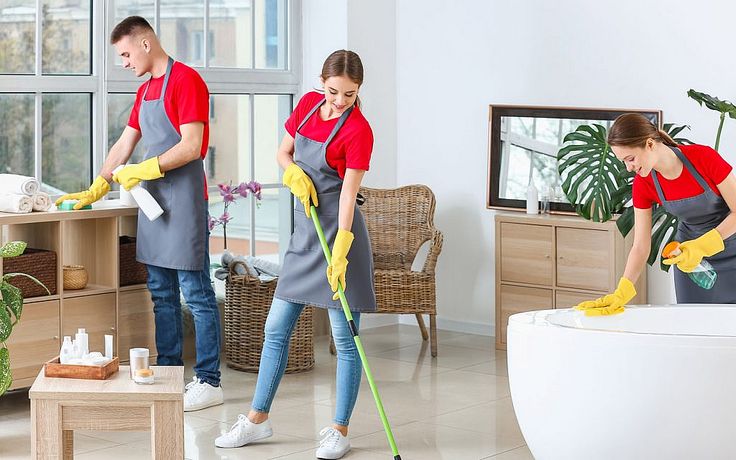
Cleanliness is no longer just about appearances. Whether at home or in the workplace, how a space is cleaned affects comfort, productivity, health, and even perception. What once felt like a simple chore has evolved into a smarter, more intentional practice that adapts to different environments and needs. From the quiet corners of living rooms to the fast-paced energy of boardrooms, modern cleaning strategies focus on efficiency, consistency, and purpose.
As expectations rise, so does the demand for cleaning approaches that work across lifestyles and industries. A smarter way to clean means understanding how different spaces function and tailoring care accordingly, without treating every room or building the same.
Rethinking Home Cleaning for Real Life
Homes are personal. They are lived in, relaxed in, and constantly changing based on routines, family size, and daily habits. Cleaning a home effectively requires more than a checklist. It requires awareness of how people actually use their space.
For many households, cleaning is no longer about perfection. It is about keeping your space fresh in a way that supports daily life rather than interrupting it. Kitchens, bathrooms, and shared areas need consistent attention, while bedrooms and living areas benefit from thoughtful upkeep that balances cleanliness with comfort.
Cleaning That Matches How You Live
A smarter home cleaning approach starts with prioritization. High-traffic areas naturally collect more dirt, dust, and bacteria. Floors, entryways, and frequently touched surfaces deserve more regular care than decorative shelves or unused rooms.
Instead of deep cleaning everything at once, many homeowners find success with rotating focus areas. This method reduces burnout and helps maintain a consistently clean environment without feeling overwhelming. It also allows cleaning routines to adapt to busy schedules, work-from-home setups, and changing family needs.
Health, Comfort, and Peace of Mind
Home cleaning also plays a role in overall wellbeing. Dust buildup, allergens, and hidden grime can affect indoor air quality and comfort levels. A smarter approach emphasizes not just what looks clean, but what actually is clean.
Using the right tools and techniques matters. Microfiber cloths, proper ventilation, and surface-specific products help reduce unnecessary chemical exposure while still achieving effective results. When cleaning supports health and comfort together, the home becomes a place that truly restores energy.
Office Cleaning That Supports Productivity
Workspaces operate differently than homes. Offices, conference rooms, and shared facilities experience constant foot traffic and frequent surface contact. Cleaning these environments requires structure, reliability, and a clear understanding of how cleanliness impacts performance.
A well-maintained office does more than impress visitors. It plays a direct role in creating a healthier work environment that supports employee focus, morale, and confidence. When spaces feel clean and cared for, people naturally take more pride in how they work within them.
The Business Impact of Clean Spaces
Clean offices influence how a business is perceived from the inside and out. Clients notice details. Employees notice consistency. A workspace that feels neglected can quietly affect motivation and professionalism.
Smarter office cleaning prioritizes shared spaces like restrooms, break rooms, meeting areas, and entry points. These areas often shape first impressions and are most likely to spread germs if overlooked. Regular, well-planned cleaning schedules help maintain standards without disrupting daily operations.
Consistency Over Occasional Deep Cleaning
Many workplaces rely on occasional deep cleans while overlooking daily maintenance. A smarter approach flips that mindset. Consistent cleaning routines prevent buildup and reduce the need for frequent intensive interventions.
This includes routine sanitizing of desks, door handles, keyboards, and communal equipment. When cleanliness becomes part of the workplace rhythm rather than a reaction to mess, offices function more smoothly and comfortably.
The Difference Between One-Size-Fits-All and Smart Cleaning
Not all cleaning is created equal. Treating a living room the same way as a boardroom misses the point entirely. Smart cleaning adapts to the purpose of each space.
Homes prioritize comfort, flexibility, and personal habits. Offices prioritize efficiency, hygiene, and shared responsibility. Understanding these differences is what separates basic cleaning from thoughtful, effective care.
Customization Is Key
A smarter cleaning approach considers factors like space usage, foot traffic, occupancy levels, and surface types. Carpets in a family home face different challenges than carpets in a corporate office. The same applies to restrooms, kitchens, and common areas.
By tailoring methods and schedules to the environment, cleaning becomes more efficient and more effective. This reduces wasted effort while improving overall results.
Technology and Modern Techniques
Advancements in cleaning tools and products have also changed expectations. Quiet equipment, low-residue solutions, and eco-conscious options allow spaces to be cleaned thoroughly without strong odors or long downtime.
Smart cleaning embraces tools that support both performance and sustainability. This balance matters to homeowners and businesses alike, especially as awareness around health and environmental impact continues to grow.
Bridging the Gap Between Home and Work
As more people work remotely or split time between home offices and corporate spaces, the line between residential and commercial cleaning continues to blur. Expectations from one environment influence the other.
People want their homes to feel organized and calm, similar to a well-run office. At the same time, they want workplaces to feel comfortable and welcoming, not sterile or impersonal. A smarter approach to cleaning recognizes this shift and adapts accordingly.
Clean Spaces Support Better Living and Working
Ultimately, cleaning is not just about removing dirt. It is about supporting how people live and work every day. When spaces are cleaned with intention, they become easier to enjoy and easier to maintain.
From living spaces to professional places, smarter cleaning focuses on consistency, awareness, and adaptability. It respects the purpose of each environment while delivering results that feel natural rather than forced.
A Smarter Way Forward
Cleaning will always be part of daily life, but how it is done continues to evolve. Smarter cleaning is thoughtful, flexible, and designed around real needs instead of rigid rules.
By understanding the unique demands of homes and offices, it becomes possible to maintain spaces that feel clean, comfortable, and functional without unnecessary stress. That is the true value of a smarter approach to cleaning, one that works quietly in the background while making a noticeable difference in everyday life.