Introduction
Futsal shoes are specially designed shoes made for playing futsal, a fast-paced indoor version of football that is usually played on hard courts. Unlike outdoor soccer, futsal is played on smooth surfaces such as wood, vinyl, or indoor sports flooring. Because of this, players need footwear that offers strong grip, close ball control, and comfort during quick movements. This is where futsal shoes play an important role.
Many people think regular football boots or basic indoor sneakers will work just fine. However, futsal shoes are built differently. Outdoor football boots have studs that dig into grass, while futsal shoes have flat rubber soles made for hard courts. Regular indoor shoes may not provide the right grip, support, or touch on the ball. Wearing the wrong shoes can affect performance and even increase the risk of slipping.
Futsal shoes are suitable for a wide range of players. Beginners who are just starting futsal need proper grip and comfort to build confidence. Competitive players rely on well-designed futsal shoes for speed, quick turns, and precise ball control. Even indoor athletes who train on hard surfaces can benefit from the stability and cushioning these shoes offer.
In this guide, you will learn what makes futsal shoes different, the types available for different surfaces, how to choose the right pair for your playing style, and what features to look for in terms of fit, materials, support, and durability. By the end, you will have a clear understanding of how to select futsal shoes that match your needs.
What Makes Futsal Shoes Different from Other Soccer Shoes?
Futsal shoes are created specifically for indoor performance. One of the most noticeable differences is the outsole. Instead of studs or cleats, futsal shoes have a flat rubber sole. This sole is designed to grip smooth indoor courts without leaving marks. The rubber material provides traction for sudden stops, quick turns, and fast changes in direction.
The grip pattern on the sole is also important. Most futsal shoes use patterns that improve traction and stability. These patterns help players stay balanced during sharp movements and reduce the risk of slipping on polished surfaces.
Another key feature is the low-profile design. Futsal shoes usually sit closer to the ground compared to outdoor soccer boots. This helps players feel more connected to the court and improves ball control. Because futsal is played in smaller spaces, quick passes and tight dribbling are common. A low-profile build allows better touch and precision.
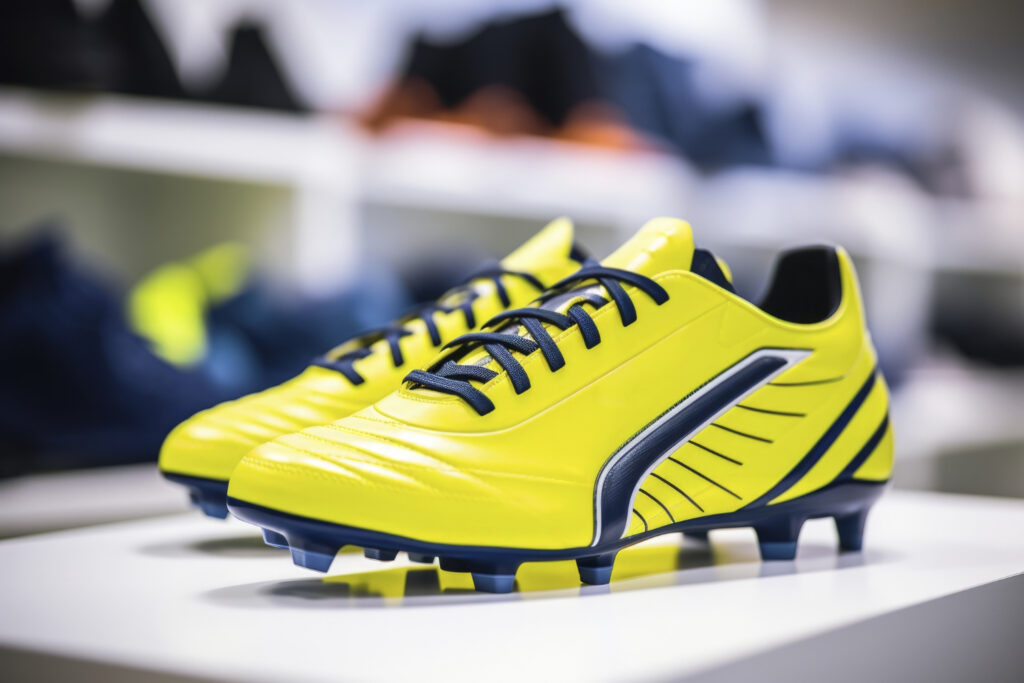
Outdoor cleats do not work well on futsal courts. Their studs are made to dig into grass or turf, not hard floors. Wearing them indoors can cause slipping and damage the playing surface. They also do not provide the flat grip needed for fast indoor play. For these reasons, dedicated futsal shoes are always the better choice for indoor matches.
Types of Futsal Shoes by Playing Surface
Indoor (IC) Futsal Shoes
Indoor court shoes, often marked as IC, are the most common type of futsal shoes. They are made specifically for smooth indoor courts such as wooden gym floors or synthetic sports surfaces. These shoes have non-marking rubber soles that provide excellent grip without leaving scuff marks. They are lightweight and designed to support fast-paced play. If you regularly play futsal in indoor halls, IC futsal shoes are the best option.
Turf-Style Options for Training
Some players use turf-style shoes for training sessions, especially if they practice on artificial turf or rougher surfaces. Turf shoes have small rubber studs instead of a completely flat sole. While they are not ideal for official indoor matches, they can be useful for outdoor training on hard or artificial surfaces. However, they do not provide the same level of close control as true indoor futsal shoes.
Right Outsole for Court Performance
Selecting the correct outsole depends on where you play most often. For smooth indoor courts, a flat, non-marking rubber outsole is essential. It offers maximum grip and control. If you switch between surfaces, you may need separate pairs to maintain performance and safety. The outsole plays a major role in how your futsal shoes perform, so it should always match the playing surface.
How to Choose the Right Futsal Shoes for Your Playing Style?
Different players have different roles on the court, and your playing style can influence which futsal shoes are best for you.
Speed-focused players often prefer lightweight futsal shoes. These shoes allow quick acceleration and easy movement. A snug fit and flexible upper can help players move freely and react faster during attacks.
Defensive and control-based players may look for more support and stability. Shoes with stronger side panels and firm construction can help maintain balance during tackles and quick defensive movements. Grip is especially important for defenders who need to change direction quickly.
Playmakers who rely on touch and precision usually prefer futsal shoes with a soft upper material. A softer upper improves ball feel and allows better control during passing and dribbling. A thin yet durable upper layer helps maintain close contact with the ball.
While focusing on performance is important, comfort should never be ignored. The best futsal shoes are those that balance speed, control, support, and comfort. A shoe that fits well and feels comfortable will naturally improve your confidence on the court.
Fit, Sizing, and Comfort
Proper fit is one of the most important factors when buying futsal shoes. The shoe should feel snug but not tight. Your foot should stay secure inside the shoe without sliding forward during sudden stops.
There should be a small amount of space near the toes, but not too much. Too much space can reduce control, while too little space can cause discomfort. A good lockdown feel means your heel stays in place and your foot feels stable during movement.
Most futsal shoes require a short break-in period. At first, they may feel slightly firm. After a few sessions, the material usually adjusts to your foot shape. However, they should never cause pain or strong pressure points.
Players with wide feet should look for models known for a wider fit or flexible upper materials. Those with narrow feet may prefer tighter-fitting designs that offer a close feel. Trying shoes on and moving around in them before buying is always a smart choice.
Materials Used in Futsal Shoes
The upper material of futsal shoes affects comfort, durability, and ball control.
Synthetic uppers are lightweight and often more affordable. They are easy to maintain and usually dry quickly. However, some synthetic materials may feel less soft compared to natural options.
Leather futsal shoes are known for their comfort and natural feel. Leather can stretch slightly over time and mold to the shape of your foot. This provides excellent touch and control. However, leather may require more care and can be slightly heavier.
Mesh and breathable designs help improve airflow inside the shoe. This keeps feet cooler during intense matches. Breathable shoes are helpful for players who sweat heavily or play in warm indoor environments. However, too much mesh may reduce durability if not reinforced properly.
Each material has its pros and cons. The right choice depends on your priorities, whether it is comfort, weight, breathability, or durability.
Cushioning and Support Features to Look For
Because futsal is played on hard surfaces, cushioning is very important. The midsole, which is the layer between the outsole and upper, provides shock absorption. Good cushioning helps reduce stress on your feet and joints during constant running and jumping.
Arch support is another important feature. Proper support can improve comfort and reduce fatigue. Some futsal shoes offer built-in arch support, while others allow you to use custom insoles if needed.
Ankle flexibility and stability should also be balanced. Most futsal shoes are low-cut to allow free ankle movement. However, the shoe should still provide enough structure to keep the foot stable during quick turns.
Shock absorption is especially important on hard courts. Without proper cushioning, players may feel discomfort after long matches. Choosing futsal shoes with reliable cushioning can help prevent strain and improve long-term comfort.
Durability and Build Quality
High-quality futsal shoes should be able to handle intense play. The outsole should resist wear, especially in high-contact areas such as the front and sides. A strong rubber compound usually lasts longer and maintains grip over time.
Stitching and reinforcement areas are signs of good construction. Reinforced toe caps can protect the shoe during frequent ball contact. Strong stitching along stress points reduces the risk of tearing.
A well-constructed futsal shoe feels solid but not heavy. The upper should be firmly attached to the sole, and there should be no loose edges or weak glue lines. Investing in durable futsal shoes may cost more at first, but it often saves money in the long run.
How to Care for Your Futsal Shoes?
Proper care can extend the life of your futsal shoes. After each indoor match, wipe off dust and dirt using a soft cloth. Even indoor courts can leave small particles on the sole.
If the shoes become wet from sweat, allow them to dry naturally at room temperature. Avoid placing them near direct heat sources, as this can damage the material and cause cracking.
Store your futsal shoes in a dry and ventilated area. Keeping them in a sports bag for long periods can cause odor and material breakdown. Using shoe inserts or paper inside the shoes can help maintain their shape.
You should replace your futsal shoes when the outsole loses grip, the upper becomes damaged, or cushioning feels flat. Playing with worn-out shoes can reduce performance and increase the risk of injury.
Common Mistakes to Avoid When Buying Futsal Shoes
One common mistake is choosing style over performance. While design and color are important to many players, comfort and grip should always come first.
Another mistake is buying the wrong sole type. Wearing turf shoes on smooth indoor courts can reduce grip. Always match the outsole to your main playing surface.
Ignoring proper fit and sizing can also cause problems. Shoes that are too tight or too loose can lead to discomfort and poor control.
Using outdoor cleats on indoor courts is another frequent error. Cleats are not made for hard surfaces and can cause slipping or damage. Dedicated futsal shoes are always the safer and more effective option.
Conclusion
Futsal shoes are an essential part of indoor play. They are designed with flat rubber soles, low-profile builds, and supportive features that improve grip, control, and comfort on hard courts. Unlike regular football boots, futsal shoes are built specifically for fast-paced indoor matches.
When choosing futsal shoes, focus on fit, grip, comfort, and durability. Consider your playing style, preferred materials, and the type of surface you play on most often. A well-chosen pair can improve your performance and make the game more enjoyable.
Instead of following trends or focusing only on appearance, select futsal shoes that truly match your needs. With the right pair, you can move confidently, control the ball more effectively, and enjoy every moment on the court.
FAQs
Can I use regular sneakers instead of futsal shoes?
Regular sneakers may not provide proper grip or ball control. Futsal shoes are specially designed for indoor courts and perform much better.
Are futsal shoes the same as indoor soccer shoes?
Yes, most futsal shoes are labeled as indoor (IC) shoes. They are made specifically for hard indoor surfaces.
Should futsal shoes be tight or loose?
Futsal shoes should feel snug for better control, but not painful. Your foot should stay secure without sliding.
How long do futsal shoes last?
It depends on playing frequency and surface. With regular use, a good pair can last 6–12 months before grip and cushioning wear out.
Can I wear futsal shoes outside?
They can be worn casually, but rough outdoor surfaces may wear out the sole faster. They are best for indoor use.