
Introduction
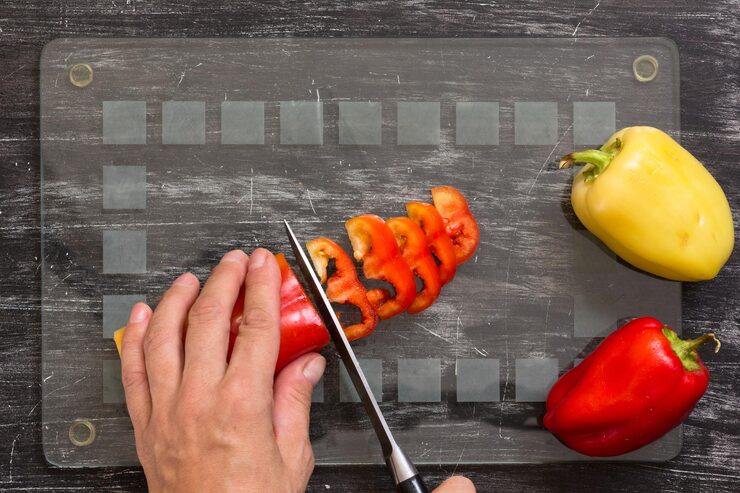
A glass cutting board is a kitchen tool made from tempered glass, designed as a surface for chopping, slicing, and preparing food. Unlike wood or plastic boards, glass boards offer a sleek, modern look and are often chosen for both their aesthetic appeal and hygienic qualities. Many home cooks love them because they are easy to clean, do not absorb odors or stains, and can even double as serving trays or trivets.
However, glass cutting boards are not without controversy. Professional chefs and cooking enthusiasts often warn that glass is much harder than the steel used in knives. This hardness can quickly dull or even chip a blade, making these boards less suitable for heavy chopping or fine knife work. Despite this, they remain popular for lighter tasks, such as cutting bread, fruit, or soft vegetables.
In this article, we will explore everything you need to know about glass cutting boards, including the types and styles available, their benefits, potential drawbacks, how to choose the right one for your kitchen, and practical tips for safe and efficient use.
Understanding Glass Cutting Boards
Glass cutting boards differ from traditional wooden or plastic boards in several important ways. First, they are made from tempered safety glass, which is specially treated to resist breaking and cracking. This makes them stronger than ordinary glass, allowing them to withstand normal kitchen use and even serve as a heat-resistant surface for hot pans or pots.
Tempered glass also gives these cutting boards a smooth, non-porous surface. Unlike wood, which can harbor bacteria in tiny grooves, or plastic, which can stain over time, glass remains hygienic and easy to sanitize. High-temperature dishwashing or simple washing with hot, soapy water is usually enough to keep the board clean and odor-free.
Glass cutting boards come in a variety of sizes, shapes, and thicknesses. You can find small boards perfect for quick prep tasks or larger ones suitable for bigger cutting jobs. Shapes range from classic rectangles to rounded or uniquely designed pieces that complement your kitchen’s style. Thickness is also a factor, as thicker boards are more stable and resistant to breaking, while thinner boards are lightweight and easy to store.
Popular Styles and Designs
One of the reasons glass cutting boards are so appealing is the variety of styles and designs available. Clear glass boards are a favorite for those who prefer a minimalist, modern look. Their transparency allows your countertop to show through, creating a sleek, open feel in the kitchen.
Decorative and printed glass boards offer a more vibrant option. These may feature floral patterns, abstract art, or textured designs that act as a focal point in your kitchen. Many people choose decorative boards not only for cutting tasks but also as serving platters for cheese, appetizers, or charcuterie, blending functionality with style.
Multi-purpose glass cutting boards are designed for versatility. Some can safely handle hot pots and pans, acting as a trivet, while others are sturdy enough to double as elegant serving trays. This makes them a practical addition for kitchens where counter space is limited or for those who enjoy hosting meals with a touch of sophistication.
Key Benefits of Using Glass Cutting Boards
The appeal of a glass cutting board lies in several key advantages. One of the most important is hygiene. Because glass is non-porous, it does not absorb liquids, odors, or bacteria from raw meat, vegetables, or other foods. This makes it easier to maintain a clean and safe food preparation surface.
Durability is another advantage. Tempered glass is resistant to warping, cracking, or chipping under normal use, making these boards long-lasting. While they are not indestructible, they handle everyday kitchen tasks with confidence, and their smooth surface remains attractive over time.
Maintenance is also simple. Glass cutting boards are dishwasher safe, allowing for thorough cleaning without the risk of bacteria buildup. Even when hand washing, a quick scrub with warm, soapy water and a rinse is enough to keep the board ready for your next meal prep session.
Considerations and Limitations
Despite their benefits, glass cutting boards are not ideal for every kitchen task. The most significant drawback is their impact on knives. Because glass is much harder than steel, repeated cutting can dull sharp blades quickly. Some knives may even chip if used aggressively on glass. For this reason, many chefs recommend reserving glass boards for light tasks, such as slicing soft fruits, vegetables, or bread.
The smooth surface of a glass cutting board can also be slippery, posing a safety concern. A knife may slide unexpectedly, or the board itself may shift during use. To prevent accidents, look for boards with non-slip rubber feet or place a damp cloth underneath the board to hold it in place.
Glass cutting boards are best used for tasks that do not require heavy chopping or force. They excel for fruit, bread, light vegetables, or as stylish serving boards. Using them for raw meats is possible but requires careful cleaning and extra attention to avoid knife damage.
Choosing the Right Glass Cutting Board for Your Kitchen
When selecting a glass cutting board, consider several factors. Size and thickness are important for both stability and storage. A larger, thicker board provides a sturdy surface for various tasks, while a smaller board is easier to handle and store.
Design is also a key consideration. Clear boards offer simplicity and elegance, while printed or decorative boards add personality to your kitchen. Multi-purpose boards can serve double duty as trivets or serving platters, giving more value for your purchase.
Maintenance should also be factored in. Some boards come with special coatings or textured surfaces that can affect cleaning and durability. Choosing a high-quality tempered glass board with non-slip feet ensures safety and longevity, keeping it looking and performing well for years.
Practical Tips for Safe and Efficient Use
To make the most of your glass cutting board, it’s important to follow some practical tips. To protect knives, avoid heavy chopping or cutting hard foods like bones. Instead, use the board for softer items such as bread, fruits, or cooked vegetables.
Cleaning and sanitizing is straightforward. Glass boards can be washed with hot, soapy water or placed in the dishwasher. For extra sanitation, a high-temperature wash is effective at removing bacteria. Avoid abrasive cleaners that could scratch decorative surfaces.
Glass cutting boards can also serve multi-purpose roles. Many are suitable as trivets for hot pans, or as elegant serving boards for cheese and appetizers. Just ensure the board is heat-resistant and stable before placing hot items on it. Proper use extends the life of the board while keeping your kitchen safe and stylish.
Conclusion
A glass cutting board combines style, hygiene, and practical functionality, making it an appealing choice for many home kitchens. While they are not ideal for heavy chopping or professional knife work, their non-porous surface, durability, and modern design make them excellent for light tasks and serving purposes.
When choosing a glass cutting board, consider size, thickness, design, and intended use. With proper care and safe handling, these boards can be a versatile and attractive addition to your kitchen. By understanding their benefits and limitations, you can make an informed choice that fits your cooking habits and adds both beauty and functionality to your food prep routine.
FAQs
Are glass cutting boards safe for daily use?
Yes, they are safe for light kitchen tasks like cutting fruit, bread, or soft vegetables. Avoid heavy chopping to protect knives.
Do glass cutting boards dull knives?
Yes, glass is harder than steel, so repeated use can dull or chip knife blades. Use them for softer foods to minimize damage.
Can I put hot pans on a glass cutting board?
Most tempered glass boards can handle heat, but check the manufacturer’s guidelines. Many serve as trivets for pots up to 350–450°F.
How do I clean a glass cutting board properly?
Wash with hot, soapy water or use a dishwasher. For extra sanitation, high-temperature washes remove bacteria effectively.
What’s the best use for a glass cutting board?
They are ideal for slicing bread, fruits, cheese, and serving appetizers or charcuterie, while keeping your kitchen stylish and hygienic.