
Introduction
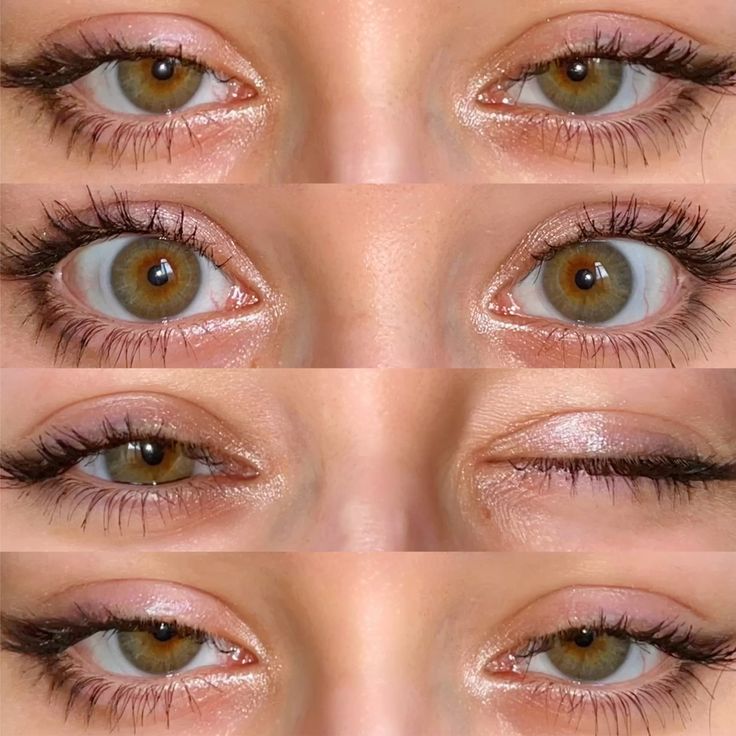
Hazel eyes are one of the most captivating and versatile eye colors in the world. Often described as a mix of green, brown, and gold, hazel eyes seem to change with light, clothing, or even mood. This ever-shifting appearance gives them a unique allure that draws attention and admiration. Unlike pure brown or green eyes, hazel eyes are complex, showing multiple shades and flecks that make each pair entirely distinct. People are often fascinated by hazel eyes because they are rare, dynamic, and deeply expressive. Understanding what makes hazel eyes so special can deepen our appreciation for this beautiful feature.
Understanding Hazel Eyes: What Makes Them Unique
Hazel eyes stand out because of their unusual combination of colors. Genetically, hazel eyes are the result of a mix of pigments that create a layered effect. Unlike simple eye colors like brown or blue, hazel eyes often appear to change depending on the environment and lighting. For example, they may look green in bright sunlight, while appearing golden or brown indoors.
The way light interacts with the iris plays a significant role in this perception. Hazel eyes contain a moderate amount of melanin, which allows light to scatter across the eye differently than it would with darker brown or lighter green eyes. This scattering effect creates the illusion of multiple shades within the iris.
When compared to other eye colors, hazel eyes sit somewhere between brown and green. While brown eyes are rich and uniform and green eyes are often striking and vivid, hazel eyes offer a subtle, ever-changing complexity. This variability is part of why hazel eyes are considered so intriguing and rare.
The Science of Eye Color Variation
Eye color is determined primarily by genetics and the distribution of melanin in the iris. Melanin, the pigment responsible for color in hair, skin, and eyes, affects how dark or light the eyes appear. Hazel eyes contain a moderate amount of melanin, giving them a warm, multidimensional appearance.
Interestingly, eye color is not always permanent. Hazel eyes, in particular, can appear lighter or darker over time. Children with hazel eyes may notice their eyes gradually change as they grow older, often becoming more defined or taking on different hues in varying light conditions.
There are also several misconceptions surrounding hazel eyes. One common myth is that hazel eyes always indicate mixed ancestry. In reality, hazel eyes can appear in people from a wide range of backgrounds. Another misunderstanding is that the color is “fake” or artificial, when in truth, hazel eyes are entirely natural and genetically unique.
Hazel Eyes in Different Cultures and History
Across cultures, hazel eyes have often been associated with mystery and beauty. In some regions, they were considered a sign of creativity, charm, and intelligence. Hazel eyes have appeared in historical records, portraits, and literature, often highlighted as a rare and fascinating trait.
Famous figures throughout history have had hazel eyes, making them a symbol of elegance and distinction. From Renaissance paintings to modern cinema, hazel eyes have captured attention for centuries. Some cultures even attribute symbolic meanings to hazel eyes, linking them to curiosity, adaptability, and a free-spirited nature. Myths and folklore often portray individuals with hazel eyes as having a special connection to intuition and perception.
Makeup and Fashion Tips for Hazel Eyes
Hazel eyes are incredibly versatile when it comes to makeup and fashion. Certain colors can make the green or gold tones more prominent, enhancing their natural depth. Warm shades like bronze, copper, and gold tend to highlight the golden flecks in hazel eyes, while cooler greens and purples can bring out the subtle green tones.
Lighting also plays a crucial role in how makeup appears on hazel eyes. Eye shadow and eyeliner can be adjusted depending on whether you are in natural daylight or indoor lighting, allowing the eyes to reflect light in flattering ways. Accessories and clothing choices can further enhance hazel eyes. Earthy tones, rich browns, and olive greens often complement the natural colors of hazel eyes, while soft pinks or purples can create striking contrast.
Health and Genetics Insights
Eye color, including hazel, can offer insights into genetics and heredity. Hazel eyes are typically the result of complex gene interactions that combine traits from both parents. While no eye color directly predicts health outcomes, some research suggests that melanin levels in the iris may slightly influence sensitivity to light.
Most people with hazel eyes enjoy the same general eye health considerations as anyone else, such as regular eye exams and UV protection. However, their lighter pigmentation in parts of the iris can make them a bit more sensitive to bright sunlight compared to darker brown eyes. From a hereditary perspective, hazel eyes are fascinating because they can appear in families unexpectedly, sometimes skipping generations or emerging in combination with other eye colors.
Celebrities and Pop Culture Influence
Hazel eyes have long been celebrated in popular culture. Many celebrities are known for their captivating hazel eyes, which have often become part of their signature look. From actors and musicians to public figures, hazel eyes are frequently highlighted in photography, film, and media.
Media representation has shaped how people perceive hazel eyes, often portraying them as mysterious, alluring, and unique. Iconic moments, whether in film close-ups or magazine covers, emphasize the dynamic nature of hazel eyes, showing how subtle changes in light or expression can make them appear almost magical.
Conclusion
Hazel eyes are more than just a color—they are a combination of science, genetics, and natural beauty that make each pair unique. Their dynamic shades, ability to change with light, and cultural significance contribute to their appeal. Understanding and appreciating hazel eyes allows us to see the beauty in these rare and expressive features. Whether in daily life or reflected in pop culture, hazel eyes remain a source of fascination and admiration. Embracing your own eye color, whatever it may be, is a celebration of individuality and natural charm.
FAQs
Are hazel eyes rare?
Yes, hazel eyes are less common than brown or blue eyes, making them unique and often considered striking.
Why do hazel eyes appear to change color?
Light, surroundings, and clothing can reflect on the iris, highlighting different shades of green, brown, or gold.
Can a child’s hazel eyes change as they grow?
Yes, eye color can shift in early childhood and sometimes even later, depending on melanin development.
Do hazel eyes indicate any health issues?
No, hazel eyes are generally healthy. Lighter pigmentation may make them slightly more sensitive to bright sunlight.
How can I make my hazel eyes stand out?
Wear colors that contrast or complement your natural tones, like bronze, green, and purple shades, in clothing and makeup.