A clean home isn’t just about appearances—it’s about comfort, health, and peace of mind. Whether you’re a busy student, a working professional, or managing a household, maintaining cleanliness can feel overwhelming without a proper system. That’s where smart strategies—and platforms like CleaNESTOR—come into play, helping people simplify cleaning routines and stay organized. In this comprehensive guide, we’ll break down everything you need to know about house cleaning, from the basics to expert-level tips that make your home shine effortlessly.
Why House Cleaning Matters More Than You Think?
Cleaning is often seen as a routine chore, but its benefits go far beyond aesthetics.
1. Health Benefits
Dust, allergens, and bacteria accumulate quickly in living spaces. Regular cleaning reduces the risk of allergies, respiratory issues, and infections. A clean home promotes better air quality and overall well-being.
2. Mental Clarity
Cluttered environments can lead to stress and anxiety. On the other hand, a clean and organized space helps you feel calmer, more focused, and more productive.
3. Increased Longevity of Items
Proper cleaning extends the life of furniture, appliances, and surfaces. Dirt and grime can cause wear and tear over time, so regular maintenance saves money in the long run.
The Basics of House Cleaning
Before diving into advanced techniques, it’s important to understand the foundational elements of effective cleaning.
1. Cleaning vs. Disinfecting
- Cleaning removes dirt and impurities
- Disinfecting kills germs and bacteria
Both are essential, especially in high-touch areas like kitchens and bathrooms.
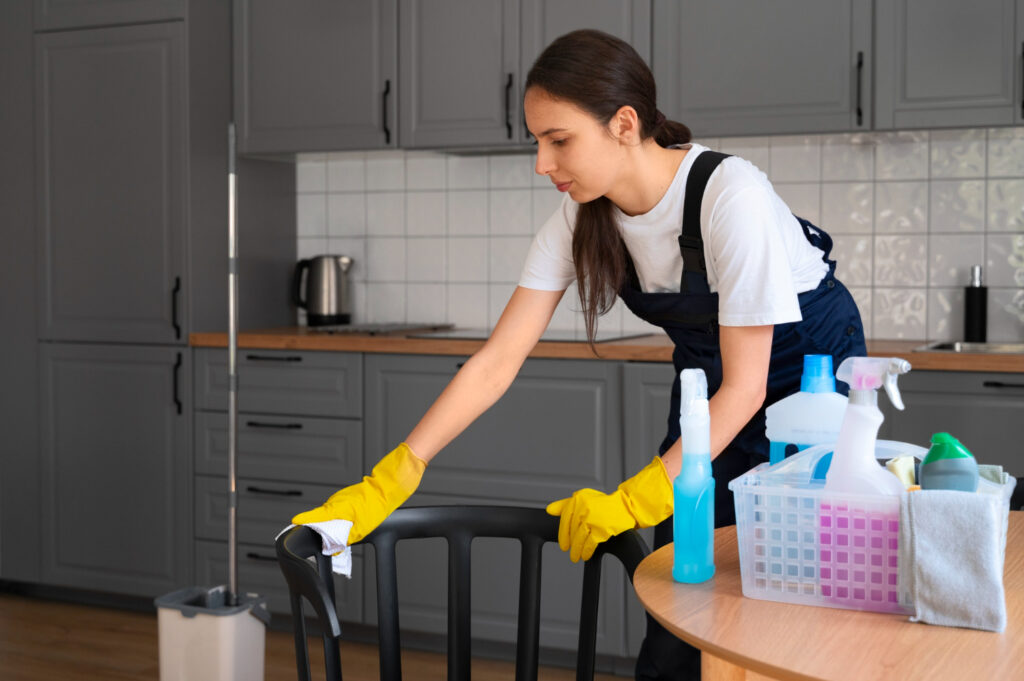
2. Must-Have Cleaning Supplies
A well-equipped cleaning kit makes the process faster and more efficient. Essentials include:
- Microfiber cloths
- All-purpose cleaner
- Glass cleaner
- Disinfectant spray
- Broom and mop
- Vacuum cleaner
- Scrub brushes
3. Decluttering First
Always declutter before you clean. Removing unnecessary items makes it easier to reach surfaces and ensures a more thorough job.
Room-by-Room Cleaning Guide
Breaking cleaning tasks into sections helps you stay organized and efficient.
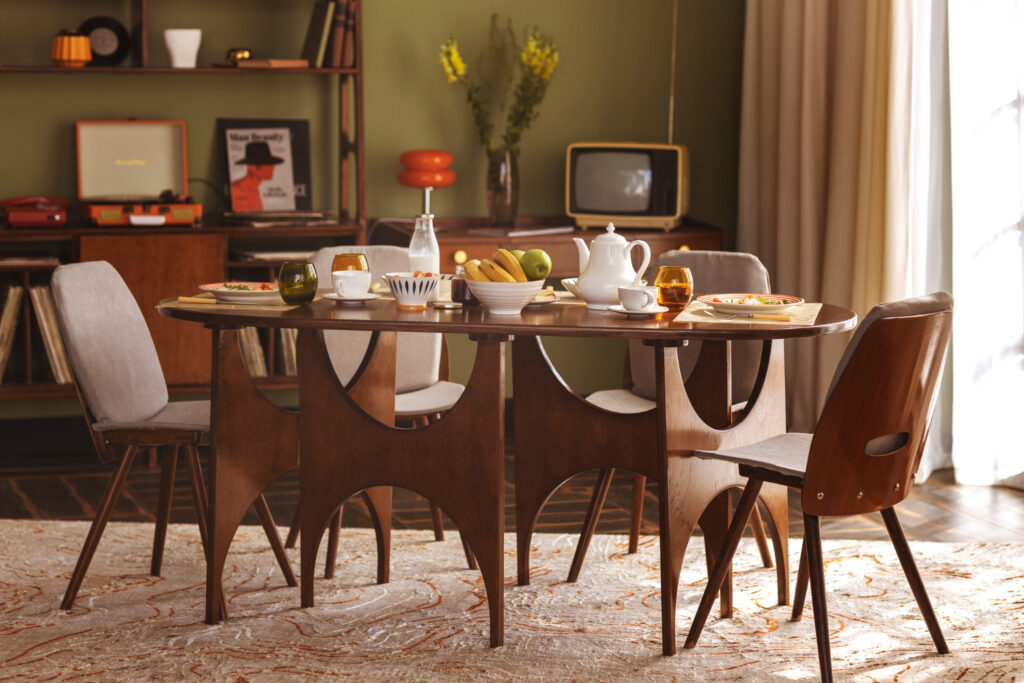
Living Room
The living room is often the most used space in a home.
Key Tasks:
- Dust surfaces (tables, shelves, electronics)
- Vacuum carpets and rugs
- Wipe down furniture
- Clean windows and mirrors
Pro Tip: Use a lint roller or vacuum attachment to remove pet hair from sofas.
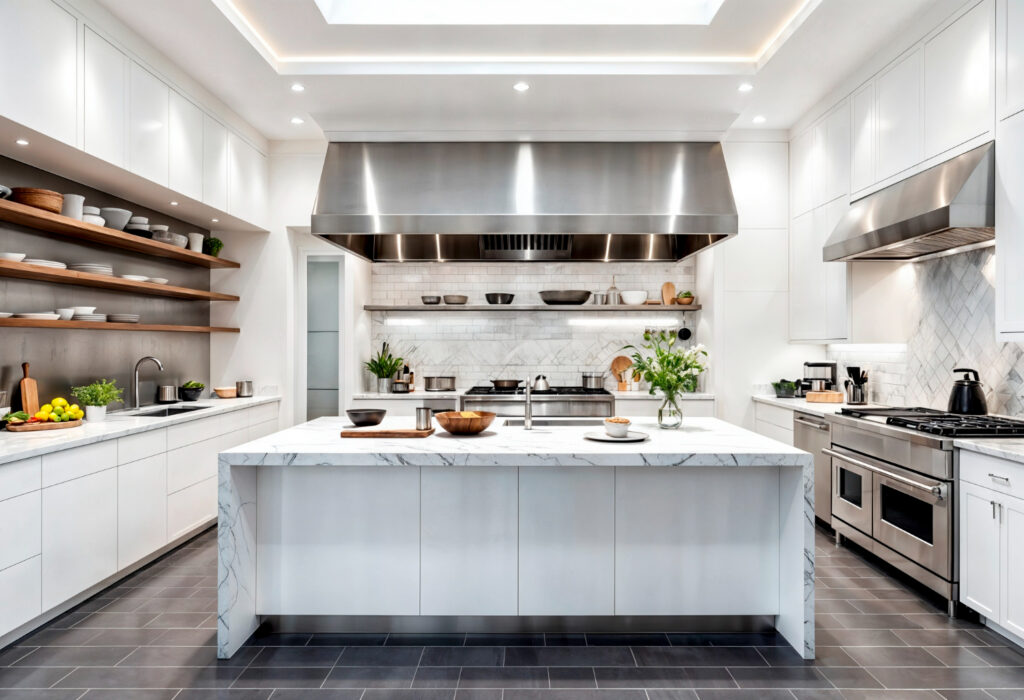
Kitchen
The kitchen requires extra attention due to food preparation.
Key Tasks:
- Wipe countertops and cabinets
- Clean appliances (microwave, oven, fridge)
- Wash dishes or load the dishwasher
- Disinfect sinks and faucets
Pro Tip: Clean spills immediately to prevent stains and bacteria buildup.
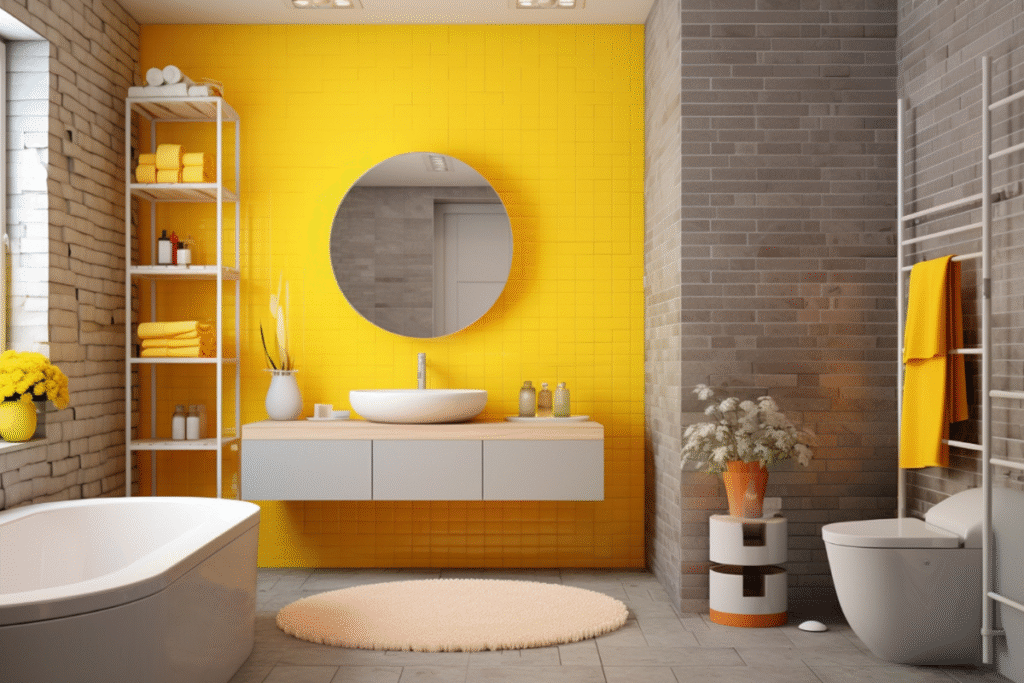
Bathroom
Bathrooms are hotspots for germs and require frequent cleaning.
Key Tasks:
- Scrub toilets, sinks, and showers
- Clean mirrors
- Disinfect surfaces
- Replace towels regularly
Pro Tip: Use separate cleaning tools for the toilet to avoid cross-contamination.
Bedroom
Your bedroom should be a relaxing and hygienic space.
Key Tasks:
- Change bed linens weekly
- Dust furniture
- Vacuum floors
- Organize closets
Pro Tip: Rotate your mattress occasionally for even wear.
Creating a Cleaning Schedule
Consistency is the key to maintaining a clean home.
Daily Tasks
- Make the bed
- Wash dishes
- Wipe kitchen surfaces
- Tidy up clutter
Weekly Tasks
- Vacuum and mop floors
- Clean bathrooms
- Dust all surfaces
Monthly Tasks
- Deep clean appliances
- Wash windows
- Organize storage areas
A structured schedule prevents chores from piling up and makes cleaning more manageable.
Deep Cleaning vs. Regular Cleaning
Understanding the difference between these two types of cleaning is essential.
Regular Cleaning
This involves routine tasks that maintain cleanliness, such as dusting and vacuuming.
Deep Cleaning
Deep cleaning focuses on areas often overlooked, including:
- Behind appliances
- Inside cabinets
- Baseboards and vents
Deep cleaning should be done every few months for optimal results.
Time-Saving Cleaning Hacks
Cleaning doesn’t have to take all day. Here are some smart shortcuts:
1. Clean as You Go
Instead of letting mess accumulate, clean small areas throughout the day.
2. Use Multi-Purpose Cleaners
Reduce the number of products you use to save time and effort.
3. Set a Timer
Challenge yourself to clean for 15–20 minutes. You’ll be surprised how much you can accomplish.
4. Work Top to Bottom
Always clean higher surfaces first so dust falls downward and doesn’t dirty already cleaned areas.
Eco-Friendly Cleaning Tips
Sustainable cleaning is becoming increasingly important.
1. Use Natural Products
Ingredients like vinegar, baking soda, and lemon are effective and environmentally friendly.
2. Reduce Waste
Opt for reusable cleaning cloths instead of disposable wipes.
3. Limit Harsh Chemicals
Avoid overusing strong chemicals that can harm both your health and the environment.
Common Cleaning Mistakes to Avoid
Even with the best intentions, mistakes can reduce cleaning effectiveness.
1. Using Dirty Tools
Cleaning with a dirty cloth or mop spreads germs instead of removing them.
2. Skipping High-Touch Areas
Doorknobs, light switches, and remote controls are often overlooked but harbor bacteria.
3. Overusing Products
More cleaning doesn’t mean better results. Excess product can leave residue.
4. Ignoring Ventilation
Always ensure proper airflow when cleaning, especially when using chemicals.
The Psychology of a Clean Home
A clean environment doesn’t just look good—it feels good.
- It boosts motivation
- Improves mood
- Enhances productivity
When your surroundings are tidy, your mind tends to follow.
Involving the Whole Household
Cleaning shouldn’t fall on one person alone.
1. Assign Tasks
Divide responsibilities among family members.
2. Make It Fun
Play music or set challenges to make cleaning enjoyable.
3. Teach Good Habits
Encourage everyone to clean up after themselves.
When to Consider Professional Help?
Sometimes, professional cleaning services are worth it.
1. Busy Schedules
If you don’t have time, hiring help ensures your home stays clean.
2. Deep Cleaning Needs
Professionals have the tools and expertise for thorough cleaning.
3. Special Occasions
Before events or after renovations, professional cleaning can save effort.
Building Long-Term Cleaning Habits
The goal isn’t just a clean home—it’s maintaining it.
1. Start Small
Focus on one area at a time.
2. Be Consistent
Regular effort prevents major messes.
3. Stay Organized
Keep cleaning supplies accessible for quick use.
Final Thoughts
House cleaning doesn’t have to be overwhelming. With the right approach, tools, and mindset, it can become a manageable—and even satisfying—part of your routine. By understanding the basics, creating a schedule, and adopting smart habits, you can maintain a home that’s not only clean but also welcoming and healthy.
Remember, a clean home reflects a well-organized life. Whether you’re just starting your cleaning journey or looking to refine your routine, the principles in this House Cleaning 101 guide will help you stay on track and achieve lasting results.