
Introduction
Braces are one of the most common ways to straighten teeth and correct dental issues, yet many people wonder exactly how they work. At first glance, braces may seem like just metal brackets and wires, but there is a precise science behind their function. People get braces for a variety of reasons: to correct crooked teeth, fix bite problems, or improve overall oral health. The goal is to move teeth into their proper position gradually, creating a healthier, more confident smile.
In this article, we’ll break down exactly how braces work in simple terms. By the end, you’ll understand not only the components of braces but also the process of teeth movement, different types of braces, and tips for making treatment as smooth as possible.
The Basics of Braces: What They Are and Why They Matter
Braces are dental devices designed to align teeth over time. In simple terms, they consist of small brackets attached to the teeth and wires that connect them. These devices may seem small and simple, but they are carefully designed to apply precise pressure to the teeth, guiding them into the correct position.
People usually get braces to address common dental issues. Crooked teeth, overcrowding, gaps between teeth, and bite problems like overbites or underbites are all typical reasons for treatment. Beyond the cosmetic benefits, braces play a key role in long-term oral health. Properly aligned teeth are easier to clean, reducing the risk of cavities, gum disease, and uneven wear on teeth. In this way, braces do more than create a beautiful smile—they support lifelong dental well-being.
The Mechanics Behind Braces: How Teeth Actually Move?
So, how do braces actually move teeth? The main components—brackets, wires, and bands—work together to apply gentle, continuous pressure. Brackets are glued to the front of each tooth, and the archwire runs through them, connecting all the teeth. Bands may also be placed around certain teeth to anchor the system.
The archwire is the key to movement. It applies a constant force that encourages teeth to shift gradually. This pressure causes the bone around the teeth to remodel—a process where bone tissue is gently broken down and rebuilt. On the side where the tooth is being pushed, bone is resorbed, and on the opposite side, new bone forms. This slow and steady process allows teeth to move safely without damaging them.
Because the pressure is gentle and controlled, the movement is gradual. Most people notice changes every few weeks, and adjustments made during orthodontic visits ensure the teeth continue to move in the right direction. Understanding this process makes it clear why patience is essential during braces treatment.
Different Types of Braces and How They Work
Braces come in several varieties, each with its own way of working, though the basic principles remain the same.
Traditional metal braces are the most recognizable. They use metal brackets and wires to apply pressure to the teeth. These braces are highly effective for a wide range of dental issues and are usually the fastest way to achieve desired results.
Ceramic braces work similarly but use tooth-colored or clear brackets. They are less noticeable than metal braces while still providing the same controlled pressure to move teeth. Clear braces are often chosen for aesthetic reasons but may require more careful maintenance.
Invisalign and other clear aligners are a modern alternative. These are removable, transparent trays that gradually shift teeth. Each set of aligners is slightly adjusted from the previous one, moving teeth in small increments. While they function differently from traditional braces, they rely on the same principle of applying steady pressure to guide teeth into position.
The Step-by-Step Journey: What Happens After Getting Braces?
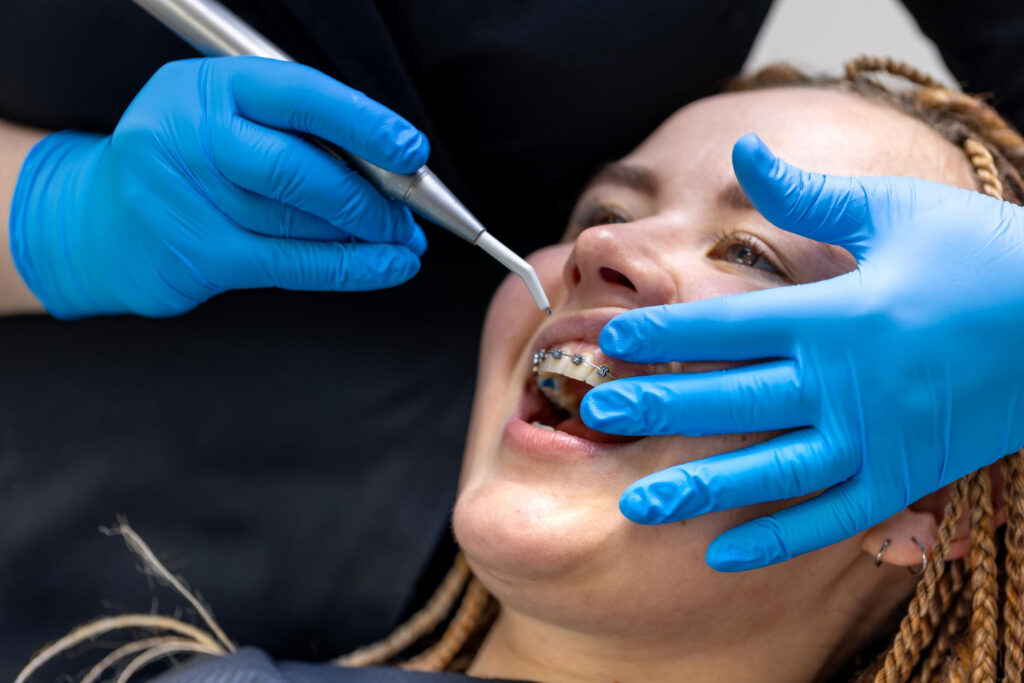
Getting braces is a process that involves several steps, and understanding what to expect can make it less intimidating. The first step is the initial fitting. Brackets are attached to the teeth, the archwire is threaded through them, and bands are placed where needed. This procedure usually takes a couple of hours.
After the initial fitting, regular check-ups are necessary. During these visits, the orthodontist may tighten or adjust wires to maintain the correct pressure on the teeth. These adjustments ensure that teeth continue moving along the planned path.
It’s common to feel mild discomfort after getting braces or following adjustments. Teeth may feel sore, and the mouth might have some irritation from brackets or wires. These sensations are normal and usually subside within a few days. Over-the-counter pain relievers and soft foods can help manage temporary discomfort.
Factors That Affect How Braces Work
Several factors influence how quickly and effectively braces work. Age is one factor: younger patients often experience faster movement because their bones are more flexible. Bone density also plays a role, with denser bone sometimes requiring a slightly longer adjustment period.
Patient compliance is another important factor. Maintaining good oral hygiene, wearing elastics or other orthodontic accessories as directed, and avoiding foods that can damage braces all affect treatment progress.
Finally, the complexity of dental issues matters. Minor crowding or gaps may be corrected relatively quickly, while severe bite problems or significant misalignment can take longer. Understanding these factors helps set realistic expectations for the duration and experience of braces treatment.
Tips for Supporting Effective Braces Treatment
Proper care during braces treatment can make a significant difference in outcomes. Maintaining excellent oral hygiene is essential. Brushing after meals, flossing carefully, and using recommended dental tools prevent plaque buildup around brackets and wires.
Some foods should be avoided to protect braces. Hard, sticky, or chewy foods can damage brackets or bend wires, slowing treatment. Being mindful of these restrictions can help keep the treatment on track.
Managing discomfort is also important. Using orthodontic wax to cover irritating brackets, rinsing with warm salt water, and eating soft foods after adjustments can make the process more comfortable. Staying proactive and following your orthodontist’s guidance supports smoother progress and better results.
Conclusion: Understanding Braces for a Confident Smile
Braces are more than just metal or clear devices—they are carefully designed tools that move teeth safely and gradually. By applying gentle, continuous pressure, braces guide teeth into better alignment, improving both appearance and oral health. Understanding how braces work helps set realistic expectations and encourages patience throughout treatment.
With proper care, regular adjustments, and attention to oral hygiene, braces can transform a smile over time. The journey may take months or years, but the result is a confident, healthy smile that lasts a lifetime. Braces are an investment in both your appearance and your long-term dental well-being, offering benefits far beyond the treatment period.
FAQs
How long does it take for braces to work?
Most people see noticeable changes in a few weeks, but complete treatment usually takes 18–24 months depending on teeth alignment.
Do braces hurt?
Braces can cause mild discomfort or soreness, especially after adjustments, but it usually fades within a few days.
Can adults get braces?
Yes, braces are effective at any age. Adult teeth may move more slowly, but alignment improvements are still possible.
How do clear aligners like Invisalign work?
Clear aligners gradually shift teeth using a series of custom trays. Each tray moves teeth slightly until the final alignment is achieved.
Will my teeth stay straight after braces?
Retainers are worn after braces to maintain teeth position and prevent shifting, ensuring long-term results.