
If you have a toothache that doesn’t go away, your dentist might suggest a root canal. One of the first questions most people ask is, “How long do root canals take?” It’s normal to feel nervous about the time, pain, and recovery. This guide will help you understand the procedure, the expected duration, and tips to make your recovery faster and smoother.
What Is a Root Canal?
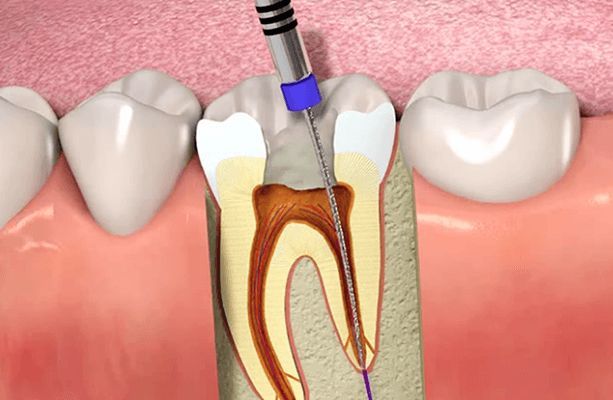
A root canal is a dental procedure used to save a tooth that is badly damaged or infected. The inside of a tooth contains pulp, which has nerves and blood vessels. When the pulp gets infected due to decay or injury, it can cause severe pain. A root canal removes this infected pulp, cleans the tooth, and seals it to prevent further infection.
Many people fear root canals because of old stories about pain. But with modern dental tools and anesthesia, the procedure is usually painless. In fact, many patients say it feels similar to having a normal filling done.
How Long Do Root Canals Take?
The duration of a root canal depends on several factors, including the tooth type, the complexity of the infection, and the dentist’s experience.
For front teeth, which usually have a single root, the procedure can be completed in about 30 to 60 minutes. These teeth are easier to treat because the canals are straight and simple.
For molars, which have multiple roots, a root canal can take 60 to 90 minutes per session. Sometimes, molars need more than one visit. This is because cleaning and shaping multiple roots takes more time, and the dentist may want to make sure the tooth is completely free of infection before sealing it.
Some dentists also schedule a follow-up visit to place a permanent crown on the tooth. This ensures the tooth remains strong and functional after treatment. Including this, the whole process from start to finish may take 2–3 weeks.
Factors That Affect Root Canal Duration
The time for a root canal is not the same for everyone. Here are the main factors that affect how long it takes:
- Tooth location: Front teeth are simpler and faster to treat. Molars with multiple roots take longer.
- Severity of infection: If the infection has spread, the dentist may need extra time to clean the canals or use medication.
- Dental tools and technology: Modern rotary tools and digital imaging can speed up the procedure.
- Patient comfort: Some patients may need breaks if they feel anxious or sensitive during treatment.
It’s important to know that spending a little extra time in the dentist’s chair is usually worth it. Rushing can lead to incomplete cleaning, which may cause further infection later.
What Happens During a Root Canal?
A root canal has several steps. Understanding them can reduce fear and help you feel prepared.
- Numbing the tooth: The dentist gives local anesthesia to numb the tooth and surrounding area. You may feel a small pinch, but it usually doesn’t hurt much.
- Accessing the pulp: The dentist makes a small opening in the tooth to reach the infected pulp.
- Cleaning the canals: The infected pulp is removed, and the inside of the tooth is cleaned and shaped.
- Filling the canals: The cleaned canals are filled with a material called gutta-percha to prevent future infection.
- Sealing the tooth: A temporary or permanent filling is placed to protect the tooth.
After this, some teeth may require a crown to strengthen them. Crowns are usually done in a separate visit and may take one or two weeks to complete.
How Do You Know If You Need a Root Canal?
Before scheduling a root canal, your dentist will check for signs of infection or damage. Common symptoms include:
- Severe toothache, especially when chewing
- Sensitivity to hot or cold drinks that lasts a long time
- Swelling around the tooth or gum
- Darkening or discoloration of the tooth
- Pain that comes and goes in waves
If you notice these symptoms, it’s better to see a dentist quickly. Delaying treatment can make the infection worse and increase the time needed for the root canal.
Tips to Speed Up Recovery After a Root Canal
Recovery after a root canal is usually quick, but there are some things you can do to make it faster and more comfortable.
- Follow your dentist’s instructions: If your dentist prescribes antibiotics or painkillers, take them as directed.
- Eat soft foods: Avoid hard, crunchy, or sticky foods for a few days to prevent discomfort.
- Maintain oral hygiene: Brush and floss gently around the treated tooth. This prevents new infection.
- Use a cold compress: If there is swelling, applying a cold compress to your cheek can reduce pain.
- Rest: Avoid strenuous activity for the first day or two. Your body heals faster when you rest.
- Avoid smoking and alcohol: Both can slow down healing and increase the risk of infection.
Most patients feel back to normal within a few days. Mild soreness may last 1–2 weeks, but it should gradually improve.
What to Expect in the Days After a Root Canal?
It’s normal to experience some tenderness or mild pain after the procedure. This usually happens when biting down or chewing. Over-the-counter pain medication can help, and most discomfort goes away within a week.
If pain gets worse, or you notice swelling, pus, or fever, contact your dentist immediately. These can be signs of infection that may need additional treatment.
Conclusion
If you are wondering how long root canals take, it depends on your tooth type, the severity of infection, and the dentist’s approach. Single-rooted teeth are usually quick, while molars may require longer or multiple visits.
Modern dental techniques have made root canals safe, effective, and mostly painless. By following your dentist’s instructions and taking care during recovery, you can heal faster and maintain your natural tooth for many years.
Don’t let fear of time or pain stop you from getting treatment. A root canal is often the best way to save a tooth and avoid more serious dental problems in the future.
FAQs
Can a root canal be done in one visit?
Yes, for simple cases on front teeth, many dentists can complete the procedure in a single appointment.
How long until you can eat normally?
Most people can eat soft foods the same day and return to normal eating within a few days.
Does it hurt?
Thanks to anesthesia, most people do not feel pain during the procedure. Some soreness afterward is normal and temporary.
Why does a molar take longer than a front tooth?
Molars have multiple roots and curved canals, making cleaning and filling more complex.