
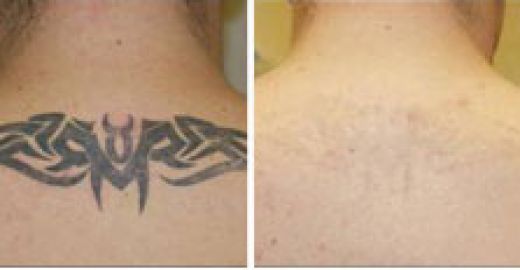
Introduction
Tattoo removal has become increasingly common as people’s tastes and life circumstances change. Whether it’s a reminder of a past relationship, an old trend, or simply a design that no longer fits your style, removing a tattoo can feel like a fresh start. However, many people wonder, how long does it take to remove a tattoo? The answer isn’t straightforward because several factors influence the process. In this article, we will explore the main considerations that affect tattoo removal, the methods available, what to expect during treatment, and realistic timelines for achieving the best results.
Understanding the removal process helps set proper expectations and ensures that anyone considering it can make informed decisions. By breaking down the timeline and factors involved, you can better prepare for the journey ahead and avoid surprises along the way.
Factors That Influence Tattoo Removal Time
One of the first things to understand is that tattoo removal is not a one-size-fits-all process. Several factors play a role in determining how long it takes to remove a tattoo completely.
The size and complexity of the tattoo are primary considerations. Small, simple designs tend to fade faster than large, intricate ones. A tiny symbol may require only a few sessions, while a full sleeve can take months of treatment.
Ink colors and depth also affect the removal timeline. Dark inks like black and blue respond more quickly to removal methods, especially laser treatments, while lighter colors such as yellow, green, or pastel shades may require extra sessions. Similarly, tattoos applied more deeply into the skin may take longer to remove than those closer to the surface.
The age of the tattoo matters as well. Older tattoos often fade naturally over time, which can make them easier to remove compared to fresh, vibrant tattoos. On the other hand, very new tattoos may not respond as well initially.
Finally, skin type and location on the body influence results. Areas with thinner skin or lower blood flow, such as the hands or feet, may take longer to heal and fade. Individuals with different skin tones may also experience varying responses to removal methods, requiring careful consideration by a professional.
Different Tattoo Removal Methods and Their Timelines
There are several methods for removing tattoos, each with its own timeline and expected results.
Laser removal is the most common and effective approach. It works by breaking down the ink particles in the skin so that the body can naturally remove them. Typically, multiple sessions are required, spaced several weeks apart to allow the skin to heal between treatments. The number of sessions varies based on the tattoo’s size, color, and complexity, but many people see significant fading after five to ten treatments. Recovery after each session usually involves mild redness, swelling, or temporary scabbing.
Surgical removal is less common and usually reserved for small tattoos or situations where laser removal is not suitable. This method involves physically cutting the tattooed skin away and stitching the remaining skin together. Healing is more immediate than multiple laser sessions, but it leaves a scar and requires careful aftercare. The timeline depends on the size of the area removed, but most people recover fully within a few weeks.
Other techniques, such as dermabrasion or chemical treatments, are less frequently used today due to variable results and longer recovery times. Dermabrasion involves sanding down the skin layers to remove the tattoo, while chemical treatments use acids to break down the ink. These methods may require multiple applications and extended healing periods, and they often carry a higher risk of scarring or skin irritation.
What to Expect During Each Removal Session?
Knowing what happens during each tattoo removal session can help reduce anxiety and make the process more manageable.
During a laser session, a professional will use a specialized device to target the tattoo ink. You may feel a slight stinging or snapping sensation, similar to the snap of a rubber band against the skin. Sessions are usually quick, lasting from a few minutes for small tattoos to about an hour for larger pieces.
Immediately after each session, the treated area may appear red, swollen, or slightly blistered. This is normal and indicates that the laser is breaking down the ink particles. Some people also notice temporary darkening of the tattoo before it begins to fade.
Recovery between sessions is crucial. Most professionals recommend waiting four to six weeks between treatments to allow the skin to heal fully. During this time, proper care, including keeping the area clean, avoiding direct sun exposure, and following any specific instructions from your provider, can significantly improve results and reduce complications.
Average Total Duration for Complete Tattoo Removal
Many people ask, how long does it take to remove a tattoo from start to finish? While it depends on the factors mentioned above, a general estimate can be provided.
For most tattoos, laser removal requires five to ten sessions spaced several weeks apart. This means the total process can take anywhere from three months to over a year. Some tattoos may fade faster, especially small, black designs, while large, colorful, or deeply embedded tattoos may take longer.
It’s important to remember that individual healing rates vary. Factors like age, immune system strength, and adherence to aftercare can either shorten or extend the timeline. Even after the tattoo appears mostly gone, occasional touch-ups may be needed to achieve complete removal.
Tips to Support Faster Healing and Better Results
Taking care of your skin during the tattoo removal process can make a significant difference in how quickly and effectively your tattoo fades.
Post-removal care is critical. Keeping the area clean, moisturized, and protected from the sun helps prevent infection and promotes healing. Using gentle, unscented products recommended by your provider is ideal.
Your lifestyle habits also matter. Eating a balanced diet, staying hydrated, and avoiding smoking can support the body’s natural healing processes. Good overall health often leads to faster recovery between sessions.
It’s equally important to avoid actions that may slow progress, such as picking at scabs, scratching the area, or exposing it to harsh chemicals. Following professional advice carefully ensures better outcomes and reduces the risk of complications.
Conclusion
So, how long does it take to remove a tattoo? While the timeline varies, understanding the key factors—tattoo size, colors, age, skin type, and location—helps set realistic expectations. Most tattoos require multiple sessions over several months, and patience is essential for achieving the best results.
By choosing the right removal method, caring for your skin between sessions, and following professional guidance, you can safely and effectively remove a tattoo while minimizing discomfort and complications. Always consult with a qualified specialist to receive personalized advice and a timeline tailored to your tattoo and skin type.
Tattoo removal is a journey, but with the right approach, it can lead to smooth, clear skin and a sense of renewed confidence.
FAQs
How many sessions does it take to remove a tattoo completely?
Most tattoos require 5–10 sessions, though small, black tattoos may need fewer, and large, colorful tattoos may need more.
Can all tattoos be removed?
Nearly all tattoos can be faded, but complete removal may vary depending on color, ink depth, and skin type.
Does tattoo removal hurt?
You may feel a snapping or stinging sensation during laser treatment. Pain varies by location, tattoo size, and personal sensitivity.
How long should I wait between sessions?
Typically, 4–6 weeks are recommended to allow the skin to heal fully before the next session.
Are there ways to speed up tattoo fading?
Proper aftercare, avoiding sun exposure, staying hydrated, and following professional guidance can support faster healing and better results.