
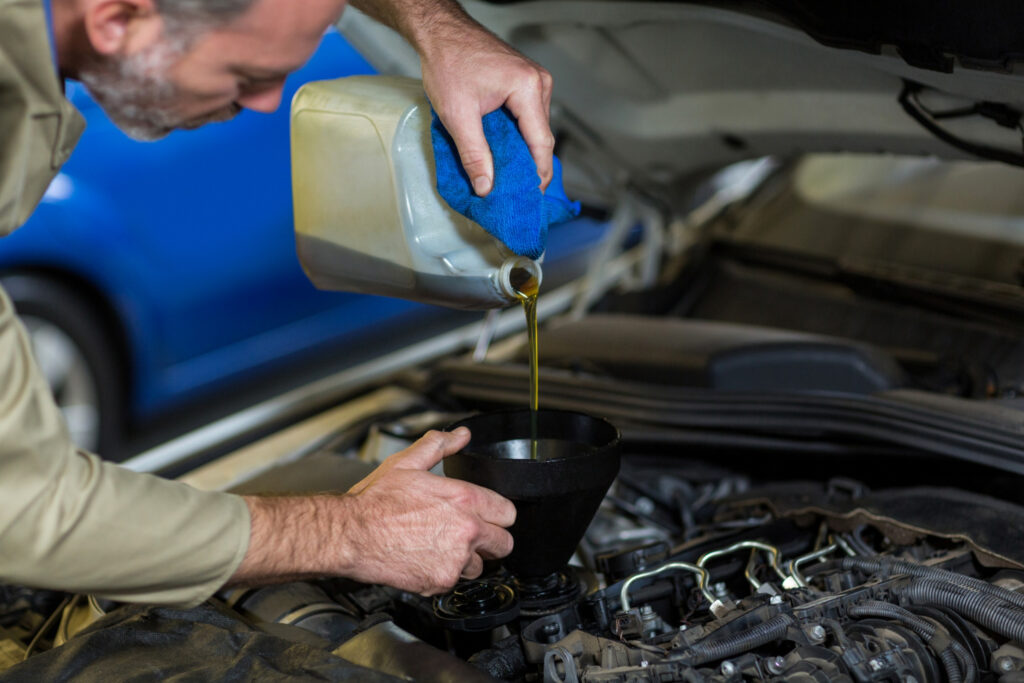
Changing your car’s oil is one of the most essential maintenance tasks for keeping your vehicle running smoothly and extending its lifespan. Fresh oil lubricates the engine, reduces friction, and helps prevent overheating, ensuring that all parts work efficiently. Many drivers overlook regular oil changes, but neglecting this simple task can lead to costly repairs and reduced performance over time.
Whether you are a beginner or have some experience with car maintenance, knowing how to change oil correctly is a valuable skill. This guide will walk you through the process step by step, covering everything from selecting the right oil to safely disposing of used oil. By following these tips, you can save money, maintain your engine’s health, and gain confidence in performing routine car maintenance yourself.
10 Easy Tips For Changing Your Car’s Oil
1. Check Your Owner’s Manual
Before you start changing your car’s oil, it’s crucial to consult your vehicle’s owner’s manual. The manual provides specific information about the type of oil your engine requires, including the correct viscosity (such as 5W-30 or 10W-40) and whether synthetic or conventional oil is recommended. Using the wrong oil can reduce engine efficiency and may even cause damage over time.
The manual also tells you how often to change your oil, which can vary depending on your car’s make, model, and driving conditions. Following these manufacturer recommendations ensures your engine remains properly lubricated, protects critical components, and helps maintain optimal performance. Checking the manual first is a simple step that prevents mistakes and sets a solid foundation for a successful oil change.
2. Gather All Tools and Supplies
Before you begin changing your car’s oil, it’s important to have all the necessary tools and supplies ready. This preparation helps the process go smoothly and prevents interruptions. You will need new engine oil that matches your car’s specifications, a new oil filter, an oil filter wrench, a drain pan to catch the old oil, and a funnel for pouring the fresh oil.
Additionally, wearing gloves can protect your hands from hot oil and dirt, while rags or paper towels are useful for cleaning up spills. Having everything within reach not only saves time but also ensures a safer and more efficient oil change. Taking a few minutes to organize your tools beforehand makes the task much easier, especially if you are performing an oil change for the first time.
3. Warm Up Your Engine
Before draining the old oil, it’s helpful to warm up your engine by running the car for a few minutes. Warm oil flows more easily than cold oil, which makes the draining process faster and more complete. Additionally, heating the engine allows the oil to carry more impurities and sludge out, helping your engine stay cleaner and perform better.
Be careful not to overheat the engine; a few minutes at idle is sufficient. Once the oil is warm, turn off the engine and wait a few minutes for it to settle slightly. This step ensures that the oil is warm enough to drain efficiently while still being safe to handle during the oil change process.
4. Lift the Car Safely
To access the oil drain plug and filter, you’ll need to lift your car safely. Using a sturdy jack along with jack stands or ramps is the safest approach. Never rely on the jack alone, as it can slip or fail, potentially causing serious injury or damage to your vehicle.
Before lifting, make sure the car is on a flat, stable surface and that the parking brake is engaged. Position the jack under the manufacturer-recommended lift points, then raise the car slowly. Once elevated, place the jack stands securely under the frame to support the vehicle’s weight. Properly lifting your car not only protects you during the oil change but also ensures a stable working environment underneath the vehicle.
5. Drain the Old Oil Carefully
With the car safely lifted, it’s time to drain the old oil. Place a clean oil pan directly under the drain plug to catch the used oil and prevent spills. Using the appropriate wrench, carefully remove the drain plug and allow the oil to flow out completely. Be patient, as it may take several minutes for all the old oil to drain, especially if it is thick or slightly cooler than expected.
After the oil has fully drained, inspect the drain plug for any damage or worn-out washers, and wipe the area clean before reinstalling it. Properly draining the old oil is crucial because leftover dirty oil can reduce engine efficiency and contaminate the fresh oil. Taking your time during this step ensures a thorough and safe oil change.
6. Replace the Oil Filter
Replacing the oil filter is an important part of an oil change, as it helps remove contaminants from the engine oil. Start by carefully unscrewing the old filter using an oil filter wrench if needed. Be prepared for some oil to spill, so keep the drain pan underneath to catch any drips.
Before installing the new filter, apply a thin layer of fresh oil to the rubber gasket on its top. This ensures a proper seal and makes it easier to remove during the next oil change. Screw the new filter on by hand until it is snug; avoid overtightening, as this can damage the gasket or make it difficult to remove later. A properly installed oil filter helps maintain clean oil circulation, protecting your engine and improving its overall performance.
7. Check the Drain Plug
Before adding new oil, it’s important to inspect and reinstall the drain plug properly. Check that the gasket or washer on the plug is intact and free from damage, as a worn gasket can cause leaks. If needed, replace it with a new one to ensure a secure seal.
Carefully screw the drain plug back into place and tighten it securely by hand or with a wrench. Avoid overtightening, as this can strip the threads or damage the oil pan. Ensuring the drain plug is correctly installed prevents leaks and keeps your engine oil safely contained, which is essential for the engine’s proper functioning and longevity.
8. Add New Oil Slowly
After reinstalling the drain plug and replacing the oil filter, it’s time to add fresh oil to your engine. Place a funnel into the oil filler opening to prevent spills and pour in the new oil gradually. Using the correct type and amount of oil, as specified in your owner’s manual, is essential to maintain proper engine performance.
Pouring the oil slowly allows you to avoid overfilling and gives the oil time to settle into the engine. Once added, wait a few moments and then check the level using the dipstick, adding more oil if necessary. Taking your time during this step ensures your engine is properly lubricated and ready for optimal operation.
9. Check the Oil Level
Once you’ve added the new oil, it’s important to verify that the engine has the correct amount. Start the engine and let it run for about a minute to allow the oil to circulate throughout the engine. Then, turn off the engine and wait a few minutes for the oil to settle.
Pull out the dipstick, wipe it clean, and reinsert it fully before removing it again to check the oil level. The oil should be between the minimum and maximum marks on the dipstick. If it’s low, add a small amount of oil and recheck until the proper level is reached. Checking the oil level carefully ensures your engine is properly lubricated and prevents potential damage from overfilling or underfilling.
10. Dispose of Old Oil Responsibly
Proper disposal of used oil and filters is essential for both environmental protection and safety. Never pour old oil down the drain, onto the ground, or into the trash, as it can contaminate water sources and soil. Instead, collect the drained oil in a sealed container and take it, along with the used oil filter, to a local recycling center, automotive shop, or participating auto parts store.
Many communities offer programs specifically for recycling motor oil, making it easy and safe to dispose of. Responsible disposal not only helps protect the environment but also ensures compliance with local regulations. By taking this step seriously, you contribute to reducing pollution and supporting sustainable car maintenance practices.
Maintaining Your Car After an Oil Change
After completing an oil change, maintaining your car properly ensures that the engine continues to run smoothly and efficiently. One of the first things to do is monitor for any leaks around the drain plug or oil filter. Even a small leak can reduce oil levels over time and cause engine problems, so it’s important to check under the car periodically in the days following the oil change.
Regularly checking your oil level using the dipstick is another simple habit that can prevent engine issues. Even after an oil change, oil can settle or slightly drop, so topping it off when necessary keeps the engine well-lubricated. Additionally, maintaining clean air filters, checking tire pressure, and following your manufacturer’s maintenance schedule all contribute to the overall health of your car. Consistent care after an oil change not only prolongs engine life but also improves fuel efficiency, safety, and performance.
FAQs
How often should I change my car’s oil?
Check your owner’s manual. Typically, every 3,000–7,500 miles depending on your car and oil type.
Can I use any type of oil for my car?
No. Always use the type and viscosity recommended in your car’s manual for proper engine performance.
Is it safe to change oil myself?
Yes, with proper tools, a safe lifting setup, and following the correct steps, DIY oil changes are safe and cost-effective.
What happens if I overfill or underfill oil?
Overfilling can cause pressure build-up; underfilling can starve the engine of lubrication. Both can damage the engine.
How do I dispose of old oil safely?
Take it to a recycling center, auto shop, or participating auto parts store. Never pour oil down drains or on the ground.