Introduction
If you’ve recently finished orthodontic treatment, your retainer is now one of the most important tools for protecting your smile. Retainers are custom-made dental devices designed to keep your teeth in their new position after braces or aligners. Without a retainer, teeth can slowly shift back over time. That’s why wearing and caring for your retainer properly matters so much.
Learning how to clean retainers the right way is essential for both your oral health and the lifespan of the device. Retainers sit inside your mouth for hours every day, which means they collect saliva, bacteria, plaque, and food particles. If they are not cleaned properly, they can develop bad odors, stains, and harmful bacterial buildup. Poor cleaning habits may even increase the risk of cavities, gum irritation, and infections.
Many people make simple mistakes, such as using toothpaste, hot water, or harsh cleaners. These habits can damage the retainer, cause scratches, or warp the plastic. In this guide, you will learn how to clean retainers safely and effectively, whether you have a removable or permanent type. You’ll also discover daily care routines, deep cleaning methods, products to avoid, and signs that your retainer may need replacement.
Different Types of Retainers and Why Cleaning Methods Matter
Not all retainers are the same. The material and design affect how you should clean them. Understanding your type of retainer is the first step in learning how to clean retainers properly.
Clear Plastic (Essix-Style) Retainers
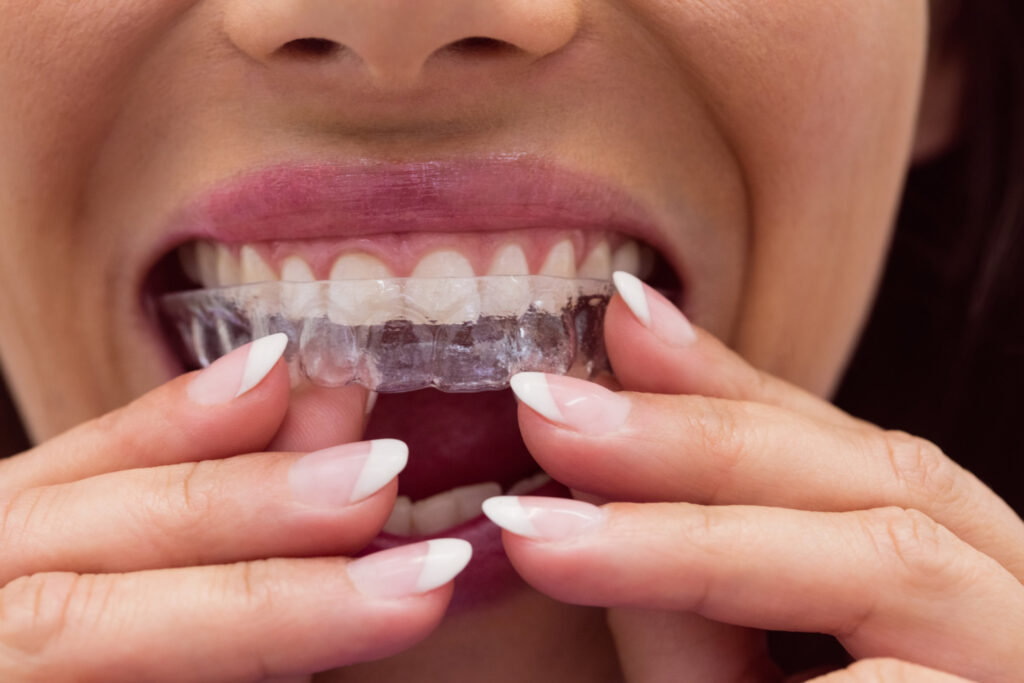
Clear plastic retainers, often called Essix retainers, are transparent trays that fit snugly over your teeth. They look similar to clear aligners and are popular because they are nearly invisible.
Because they are made of clear plastic, they can easily scratch or warp. This means you must avoid hot water and abrasive products. Gentle brushing and mild cleaning solutions work best. If not cleaned properly, these retainers can quickly become cloudy or develop a strong odor.
Hawley Retainers (Acrylic and Wire)
Hawley retainers have a plastic base that sits against the roof of your mouth or behind your lower teeth, along with a thin metal wire that holds teeth in place.
These retainers are more durable than clear plastic ones, but they still require careful cleaning. Food and plaque can collect around the wire and in the acrylic base. A soft toothbrush works well, and soaking solutions can help remove buildup from hard-to-reach areas.
Permanent or Fixed Retainers
Permanent retainers consist of a thin wire bonded to the back of your front teeth. They are not removable and stay in place at all times.
Because they cannot be taken out, cleaning them requires special attention. Plaque can easily build up around the wire, so proper brushing and flossing techniques are very important. The cleaning approach for fixed retainers is different from removable ones, which is why knowing your type matters.
The Ideal Daily Routine for Cleaning Retainers
A consistent daily routine is the foundation of good retainer care. If you are wondering how to clean retainers effectively, the answer begins with simple daily habits.
Each time you remove your retainer, rinse it immediately under lukewarm water. This helps wash away saliva and prevents plaque from drying onto the surface. Never use hot water, as heat can change the shape of plastic retainers and affect the fit.
After rinsing, gently brush your retainer using a soft toothbrush. Instead of toothpaste, which can be too abrasive, use a small amount of mild dish soap or antibacterial soap. Toothpaste may scratch the surface, and those tiny scratches can trap bacteria over time.
When you are not wearing your retainer, store it in a clean, ventilated case. Let it air dry before placing it inside the case. Avoid wrapping it in tissue, as this increases the risk of accidentally throwing it away. Good storage habits are just as important as cleaning when learning how to clean retainers properly.
Deep Cleaning Your Retainer the Right Way
Even with daily care, retainers need deeper cleaning from time to time. Deep cleaning helps remove mineral deposits, stains, and stubborn bacteria.
You should consider deep cleaning once or twice a week, especially if you notice buildup or odor. Soaking is usually the safest and most effective method. A common option is a mixture of equal parts white vinegar and lukewarm water. Soaking the retainer for about 15 to 30 minutes can help dissolve calcium buildup.
Another option is using over-the-counter denture cleaning tablets. These are designed to remove bacteria and stains without damaging dental appliances. Follow the product instructions carefully and avoid soaking for longer than recommended.
A diluted hydrogen peroxide solution can also help remove stains and kill bacteria. A 1:1 mixture of hydrogen peroxide and water, used for about 15 to 20 minutes, is typically safe for occasional use. After soaking, always rinse the retainer thoroughly with lukewarm water before wearing it again.
When removing buildup, avoid scrubbing aggressively. Gentle brushing after soaking is enough to remove loosened debris without damaging the material.
Safe Products You Can Use (And What to Avoid Completely)
Choosing the right products is a key part of understanding how to clean retainers safely.
Mild dish soap, antibacterial soap, white vinegar in diluted form, hydrogen peroxide in moderation, and denture cleaning tablets are generally safe for removable retainers. These options help remove bacteria and stains without harming the plastic or acrylic.
Baking soda mixed with water can also be used occasionally to help reduce odors and brighten the retainer. However, it should be used gently to avoid scratching.
Certain products should be avoided completely. Bleach and alcohol-based mouthwashes are too harsh and can weaken the material. Hot water can warp plastic retainers, making them unusable. Dishwashers are also unsafe because the heat and strong detergents can permanently damage the retainer.
Toothpaste is another common mistake. Although it seems logical to use it, toothpaste contains small abrasive particles that can scratch the surface. Over time, this can cause cloudiness and increase bacterial buildup.
Understanding what not to use is just as important as knowing how to clean retainers properly.
How to Clean Permanent Retainers Without Damaging Them?
Cleaning permanent retainers requires daily attention because they remain in your mouth at all times.
Brushing carefully around the bonded wire is essential. Use a soft toothbrush and take your time cleaning the area where the wire meets the teeth. Food particles and plaque can easily hide in these small spaces.
Flossing is especially important for fixed retainers. A floss threader or special orthodontic floss can help guide the floss under the wire. This allows you to clean between the teeth effectively. Water flossers can also be helpful in removing debris from hard-to-reach areas.
Preventing plaque buildup around bonded wires protects both your gums and teeth. Without proper care, plaque can harden into tartar, which may require professional cleaning to remove. If you are unsure about your technique, your dentist or orthodontist can demonstrate the best method.
Common Retainer Cleaning Mistakes and How to Fix Them
Many people believe they are cleaning their retainers correctly but unknowingly make mistakes.
Using toothpaste is one of the most common errors. Switching to mild soap instead can prevent scratches and extend the life of your retainer.
Exposing retainers to heat is another serious mistake. Even leaving a retainer in a hot car can cause warping. Always use lukewarm water and keep the retainer away from heat sources.
Skipping regular cleaning allows bacteria and plaque to build up quickly. Even if the retainer looks clean, daily rinsing and brushing are still necessary.
Improper storage can also lead to damage or contamination. Leaving a retainer exposed increases the risk of bacteria growth and accidental damage. A protective case helps keep it safe and clean.
Correcting these habits makes a big difference in maintaining both hygiene and durability.
Signs Your Retainer Needs Extra Care or Replacement
Even with proper cleaning, retainers do not last forever. Recognizing warning signs can help you avoid oral health problems.
Persistent odor or discoloration that does not improve after deep cleaning may indicate heavy bacterial buildup or material wear. Warping, cracks, or rough edges are signs that the retainer may no longer fit properly.
If your retainer feels tight, loose, or uncomfortable, it may have changed shape. Changes in fit should never be ignored, as they can affect tooth alignment.
In these situations, it is best to consult your orthodontist. They can assess whether the retainer needs professional cleaning, repair, or replacement.
How Often Should You Clean Your Retainer?
Understanding how often to clean your retainer is part of mastering how to clean retainers effectively.
Daily cleaning is essential. Rinse and brush your retainer every time you remove it, and at least once thoroughly each day.
Deep cleaning once or twice a week helps remove buildup that daily brushing may miss. If you drink coffee, tea, or sugary beverages frequently, you may need more frequent deep cleaning.
Lifestyle factors also matter. Smokers or people with dry mouth may experience faster buildup and require extra care. Paying attention to your habits can help you adjust your cleaning routine accordingly.
Conclusion
Knowing how to clean retainers properly protects both your smile and your investment in orthodontic treatment. A clean retainer helps prevent bacteria buildup, bad odors, staining, and potential oral health problems. It also ensures that your retainer lasts longer and continues to fit correctly.
The process does not need to be complicated. Simple daily rinsing, gentle brushing with safe products, regular deep cleaning, and proper storage are enough to keep your retainer in good condition. Avoiding heat, harsh chemicals, and abrasive products can prevent unnecessary damage.
By following a consistent and careful routine, you can maintain a healthy, fresh retainer and support long-term oral health. Clean habits today will help preserve your smile for years to come.
FAQs
Can I clean my retainer with toothpaste?
No. Toothpaste is too abrasive and can scratch the surface, making it easier for bacteria to build up.
How often should I deep clean my retainer?
Deep cleaning once or twice a week is usually enough, along with daily gentle brushing.
Is it safe to soak retainers in hydrogen peroxide?
Yes, but only diluted (1:1 with water) and for about 15–20 minutes. Always rinse thoroughly afterward.
Why does my retainer smell bad even after cleaning?
This may happen due to plaque buildup or mineral deposits. Try deep cleaning, and if odor continues, consult your orthodontist.
Can hot water damage my retainer?
Yes. Hot water can warp plastic retainers and change their fit permanently.