
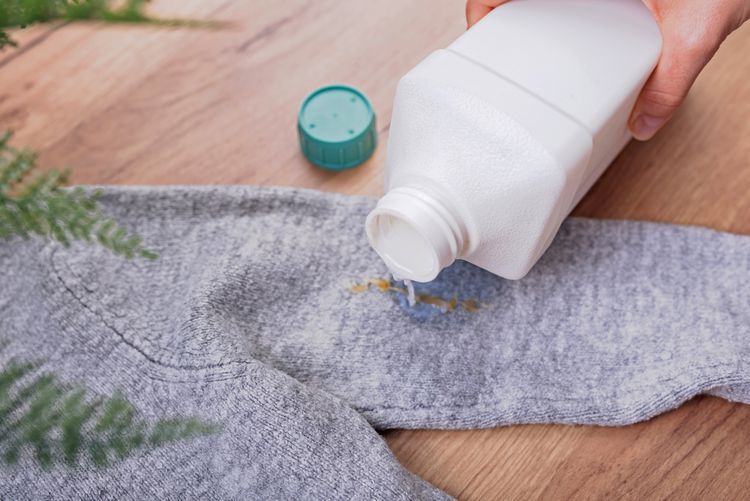
Tree sap is one of those sticky substances that seems harmless until it finds its way onto your favorite shirt, jeans, or jacket. Unlike regular dirt or mud, sap clings stubbornly to fabric fibers, making it frustratingly difficult to remove. Anyone who has brushed against a pine tree, leaned on outdoor furniture, or gone hiking in wooded areas knows how easily sap stains happen.
The challenge with sap is that it doesn’t behave like most stains. While water or mud can often be rinsed away with a normal wash cycle, sap hardens and binds to the fabric. If treated incorrectly, it can spread, discolor the clothing, or even damage delicate fibers. That’s why knowing the right techniques matters.
In this guide, you’ll learn exactly how to get tree sap out of clothes without ruining the fabric. From understanding why sap clings so tightly, to preparing your clothes properly, to applying safe cleaning methods, this article will walk you through everything step by step. By the end, you’ll know how to tackle sap stains confidently while keeping your clothes looking their best.
Understanding Tree Sap and Its Effect on Fabrics
Tree sap is essentially the lifeblood of a tree. It contains sugars, resins, and natural oils that help the tree heal when cut or damaged. Unfortunately, those same sticky components are what make sap such a nuisance on clothing.
Sap is difficult to remove because it solidifies quickly when exposed to air, bonding with the fibers of fabric. The longer it sits, the harder it becomes to clean. Unlike simple surface stains, sap penetrates deeper, often leaving a residue that resists normal washing.
Not all fabrics react the same way to sap. Cotton and denim can withstand stronger cleaning methods, but delicate materials like silk or wool are more vulnerable. Synthetic outdoor gear often has protective coatings that need extra care to avoid stripping away water-resistant layers. Understanding the type of fabric is the first step to choosing the safest cleaning method.
Preparing Clothes Before Removing Sap
Before jumping into stain removal, preparation is key. Many people make the mistake of scrubbing or soaking clothes immediately, which can worsen the problem. Instead, start with a careful inspection.
First, check the fabric care label. These labels give important guidance on what the material can handle—whether it can be machine washed, hand washed, or dry cleaned only. Ignoring these instructions risks shrinking, fading, or damaging the garment.
Next, remove any excess sap gently. If the sap has hardened, you can place the clothing in the freezer for about 15 minutes to make it brittle, then carefully scrape away the top layer with a dull knife or spoon. This reduces the amount of sap you need to treat directly and prevents spreading during cleaning.
Effective Methods for Removing Tree Sap from Clothes
When it comes to how to get tree sap out of clothes, there are several proven methods. Some use everyday household solutions, while others involve store-bought products designed for tougher stains. The key is choosing the right one for your fabric type and stain severity.
Household Solutions That Work Safely
One of the most common methods is rubbing alcohol or hand sanitizer. The alcohol helps break down the sticky resins in sap, loosening their grip on fabric fibers. Apply it gently with a cloth or cotton pad, working from the outside of the stain inward to avoid spreading.
Another option is using an oil-based solution, such as olive oil or even peanut butter. Oils help soften hardened sap, making it easier to lift away. However, these can leave behind an oily residue, so it’s important to follow up with a good detergent wash.
Ice also works well when sap is fresh. Hardening the sap makes it easier to chip off, especially from sturdy fabrics like denim.
Store-Bought Products That Can Help
Commercial stain removers, especially those formulated for resin or tar, can be very effective. Some laundry sprays are designed to cut through sticky substances without damaging fabrics. Outdoor gear cleaners are also available for technical fabrics that require special care.
Step-by-Step Process for Each Method
- Freeze or harden the sap to scrape away the top layer.
- Apply your chosen solution (alcohol, oil, or stain remover) gently, letting it sit for a few minutes.
- Blot, don’t rub, to lift the sap rather than push it deeper.
- Wash according to care instructions using warm water and a strong detergent.
- Air dry first to check if the stain is gone—heat from dryers can set any remaining sap permanently.
Special Care for Different Types of Fabrics
Not all clothes are created equal, so the way you remove sap will depend on the material.
Cotton and denim are durable fabrics that can handle scrubbing, hot water, and stronger cleaning agents. This makes them easier to treat.
Delicate fabrics like silk or wool require much more caution. Harsh chemicals or vigorous scrubbing can ruin their texture. For these, using mild solutions and gentle blotting is essential, and sometimes professional dry cleaning may be the safest choice.
Outdoor gear and synthetic fabrics, such as polyester or nylon jackets, often have waterproof or protective coatings. Using strong alcohol-based products can strip these coatings away. Instead, it’s better to use specialized cleaners designed for technical fabrics.
Common Mistakes to Avoid When Treating Sap Stains
When learning how to get tree sap out of clothes, it’s just as important to know what not to do. Scrubbing aggressively may seem effective but usually pushes sap deeper into the fibers. Similarly, using hot water or a dryer too early can set the stain permanently.
Bleach is another mistake, especially on dark or delicate fabrics. While it may seem like a quick fix, it can damage colors and weaken fibers. Instead of rushing, always test cleaning solutions on a hidden area first.
If one method doesn’t fully remove the stain, avoid applying multiple harsh treatments at once. Instead, repeat the gentler process until the sap loosens completely.
Tips for Preventing Tree Sap Stains in the Future
Prevention is always better than cure. If you spend a lot of time outdoors—whether hiking, gardening, or camping—choosing the right clothing can save you headaches later. Wearing older clothes or protective outer layers when near trees reduces the risk of ruining your best outfits.
Practical steps can also help. For example, place blankets or tarps on picnic tables and benches before sitting down, and be mindful when leaning against trees. For outdoor workers, treating gear with protective sprays can make fabrics more resistant to sticky stains.
Conclusion
Tree sap may be one of the toughest stains to tackle, but with the right knowledge, it doesn’t have to ruin your clothes. By understanding why sap clings so stubbornly, preparing your garments carefully, and applying the right cleaning method for each fabric, you can remove sap effectively without causing damage.
Whether you use simple household items like rubbing alcohol and ice, or specialized products designed for outdoor gear, the key is patience and care. Avoid rushing or using harsh treatments that could make the stain worse.
In the end, knowing how to get tree sap out of clothes means you can enjoy outdoor activities without the stress of permanent stains. With the right approach, your clothes can stay clean, fresh, and ready for many more adventures.