
Introduction
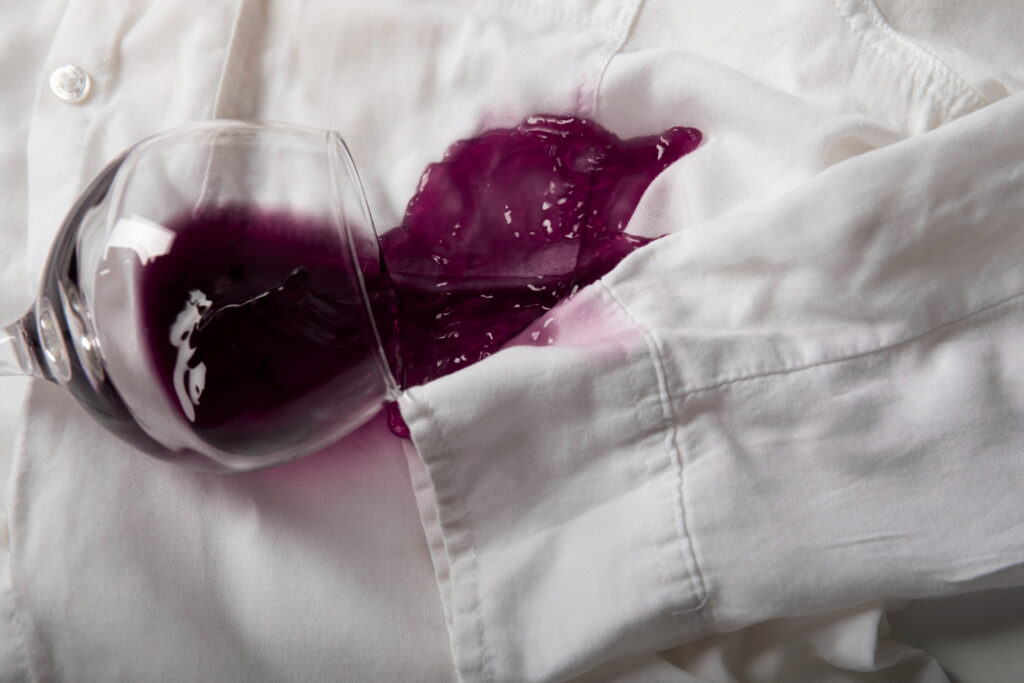
Wine can make a meal or celebration feel special, but a spilled glass can quickly turn into a frustrating problem. Red wine in particular is known for leaving stubborn stains that seem almost impossible to remove. The deep color of wine comes from natural pigments that easily cling to fabrics, carpets, and other surfaces. Once these pigments settle into the fibers, they can leave a noticeable mark that doesn’t disappear with simple washing.
The good news is that knowing how to remove wine stains effectively can make a huge difference. Acting quickly is one of the most important factors. When a stain is treated right away, it has less time to sink into the material and bond with the fibers. Even a few minutes can change how difficult it will be to remove later.
In this guide, you will learn practical and reliable methods for dealing with wine stains on different surfaces. The article explains simple household solutions that many people already have in their homes, along with techniques that work for clothing, carpets, upholstery, and hard surfaces. It also covers common mistakes that can make stains worse and offers useful tips to help prevent future spills from becoming permanent stains.
Why Wine Stains Are So Hard to Remove?
Understanding why wine stains are difficult to remove helps explain why certain cleaning methods work better than others. Wine contains compounds called tannins and pigments that give it its rich color and flavor. These compounds are also responsible for the stubborn stains wine leaves behind. When wine spills onto fabric or another surface, the pigments quickly attach to the material’s fibers.
Different fabrics and surfaces also react differently to wine stains. Natural fabrics such as cotton and linen tend to absorb liquid quickly, which allows the stain to sink deeper into the fibers. Synthetic fabrics may resist absorption slightly better, but they can still hold onto the pigment if the stain is not treated quickly. Carpets and upholstery often contain thick fibers that trap liquid easily, making wine stains more challenging to remove.
Time and heat can make the problem even worse. When a stain sits for too long, the pigments begin to bond more strongly with the fibers. Heat from hot water or a dryer can set the stain permanently by locking the color into the material. This is why experts often recommend using cold water and treating the stain as soon as possible. Knowing these factors can help you approach stain removal more effectively and avoid methods that might make the stain harder to remove.
What to Do Immediately After a Wine Spill?
The first few moments after a spill are the most important when learning how to remove wine stains successfully. Quick action can prevent the wine from soaking deeply into the material. One of the most important things to remember is to blot the stain rather than rub it. Blotting gently with a clean cloth or paper towel helps absorb the liquid without pushing it deeper into the fibers.
Rubbing the stain might seem like a good idea, but it often spreads the wine and makes the stain larger. Blotting works by lifting the liquid away from the surface while keeping the stain from spreading further.
After blotting the excess liquid, it is helpful to absorb as much moisture as possible. Materials like salt or baking soda can be sprinkled directly onto the stain. These substances draw out moisture and help prevent the wine from settling deeper into the fabric or carpet.
Another quick step is to rinse the stained area with cold water if the surface allows it. Cold water helps dilute the wine and reduces the concentration of the pigments. The goal during this stage is not necessarily to remove the entire stain immediately but to stop it from setting before proper cleaning can begin.
Household Ingredients That Help Remove Wine Stains
Many effective solutions for removing wine stains can be found in common household products. These ingredients work by breaking down pigments, lifting stains from fibers, or absorbing excess liquid.
Salt and baking soda are often used as quick treatments right after a spill. When applied to a fresh stain, they absorb moisture and help pull the wine out of the material. Once the area dries, the residue can be brushed or vacuumed away.
Another widely used solution combines dish soap with hydrogen peroxide. Dish soap helps break down grease and residues, while hydrogen peroxide acts as a mild bleaching agent that can lighten wine pigments. When mixed together and applied to a stain, the solution can gradually lift the color from the fabric. This method works best on light-colored fabrics because hydrogen peroxide may lighten darker materials.
White vinegar is another helpful option because it can neutralize the pigments in wine. Applying vinegar to the stain can weaken the color and make it easier to remove during washing. Club soda is also popular because its carbonation can help lift stains from fabrics and carpets while diluting the wine.
Each of these solutions works best when used soon after the spill occurs. Choosing the right method often depends on the type of material and how long the stain has been present.
How to Remove Wine Stains from Clothing?
Clothing is one of the most common victims of wine spills. Learning how to remove wine stains from clothing can help save favorite garments from permanent damage. The process usually begins with blotting the excess wine and rinsing the stained area with cold water. This step helps dilute the pigment before it settles into the fabric.
For washable fabrics, applying a cleaning solution such as a mixture of dish soap and hydrogen peroxide can help break down the stain. The solution should be gently applied to the affected area and allowed to sit for a short period so it can penetrate the fibers. Afterward, the fabric can be rinsed thoroughly with cold water.
Fresh stains are generally easier to remove than dried ones. When the stain is new, the pigment has not yet fully bonded with the fibers. If the stain has already dried, soaking the clothing in cold water with a mild cleaner can help loosen the pigment before washing.
When washing the garment, it is important to use cold water and avoid heat until the stain is completely gone. Heat from hot water or a dryer can set the stain permanently. Checking the garment after washing ensures that the stain has been removed before drying.
Removing Wine Stains from Carpets and Upholstery
Carpets and upholstered furniture require a slightly different approach because they cannot simply be placed in a washing machine. The first step is to blot the stain carefully with a clean cloth to absorb as much liquid as possible.
After blotting, a small amount of club soda can be poured onto the stained area. The carbonation helps loosen the pigments while the liquid dilutes the wine. Blotting the area again with a dry cloth lifts the diluted wine out of the carpet or upholstery.
Another option is a mild detergent solution made with a small amount of dish soap and warm water. Applying the solution gently and blotting from the outside of the stain toward the center helps prevent the stain from spreading. This method gradually lifts the pigment without damaging the fibers.
Delicate upholstery fabrics require extra care. Testing any cleaning solution on a hidden area first helps ensure that the fabric will not discolor or become damaged. Patience is often necessary, as removing wine stains from thick fabrics may require repeated blotting and gentle cleaning.
Cleaning Wine Stains from Hard Surfaces and Table Linens
Wine spills often occur on dining tables, countertops, or table linens. Hard surfaces like wood or stone usually do not absorb wine as quickly as fabric, but they can still develop stains if the liquid sits for too long.
For wooden tables or countertops, wiping the spill immediately with a damp cloth can prevent staining. If a mark remains, a mild cleaning solution made with dish soap and water can help remove the residue. Gentle cleaning is important to avoid damaging the finish of the surface.
Tablecloths and cloth napkins can be treated in a similar way to clothing. Blotting the spill and rinsing with cold water helps remove the excess pigment. Applying a mild cleaning solution and washing the fabric afterward can restore its appearance.
Some delicate materials may require special care to prevent discoloration. In these cases, gentle cleaning methods and cool water are usually the safest options.
Effective Methods for Stubborn or Old Wine Stains
Not all stains are treated immediately, and some may remain unnoticed until they have already dried. Older wine stains can be more difficult to remove because the pigments have had time to bond with the material.
Soaking the stained item in cold water can help loosen the pigment and prepare the fabric for further cleaning. Adding a mild cleaner or stain remover to the soaking water can improve the results.
Oxygen-based cleaners are another effective option for stubborn stains. These products release oxygen that helps break down colored compounds without damaging most fabrics. They are often used for deeply set stains that do not respond to simple washing.
In some cases, the stain may not disappear after a single treatment. Repeating the cleaning process or allowing the cleaning solution more time to work can gradually lift the pigment from the fibers.
Common Mistakes That Make Wine Stains Worse
Even with good intentions, certain cleaning methods can make wine stains harder to remove. One common mistake is using hot water too early. Heat can set the stain permanently by binding the pigment to the fibers.
Another mistake is scrubbing the stain instead of blotting it. Scrubbing spreads the pigment and pushes it deeper into the material, making the stain larger and more difficult to remove.
Waiting too long before treating the stain is another problem. The longer wine remains on a surface, the more likely it is to bond with the fibers. Quick action gives you the best chance of removing the stain completely.
Avoiding these mistakes can significantly improve the chances of successful stain removal.
Preventing Future Wine Stains
While spills can happen to anyone, a few simple habits can reduce the risk of permanent stains. Using protective table coverings or stain-resistant fabrics during gatherings can help protect surfaces from spills.
Keeping cleaning supplies such as cloths, salt, or baking soda nearby during events can make it easier to respond quickly to accidents. Immediate blotting and treatment prevent stains from setting and reduce the amount of cleaning required later.
Being mindful when pouring wine and placing glasses in stable positions can also lower the chances of spills. These small precautions can make a big difference in keeping fabrics and surfaces free from stains.
Conclusion
Wine stains may seem intimidating at first, but understanding how to remove wine stains makes the problem much easier to handle. Acting quickly, blotting the spill, and using simple household ingredients such as salt, baking soda, vinegar, or mild cleaning solutions can help lift the pigment before it becomes permanent.
The most effective approach depends on the surface involved. Clothing, carpets, upholstery, and hard surfaces each require slightly different techniques. However, the basic principles remain the same: respond quickly, avoid heat, and treat the stain gently.
With the right method and a little patience, many wine stains can be removed successfully. By choosing the appropriate cleaning technique for each situation and avoiding common mistakes, it is possible to keep fabrics, carpets, and household surfaces looking clean and stain-free even after an accidental spill.
FAQs
What is the fastest way to remove wine stains?
The fastest way is to blot the spill immediately and cover it with salt or baking soda. Then rinse with cold water and treat with dish soap or vinegar.
Does baking soda remove wine stains?
Yes. Baking soda can absorb moisture and help lift the wine pigment from fabrics or carpets, especially when used right after the spill.
Can old wine stains be removed?
Old wine stains can often be removed by soaking the fabric in cold water and using an oxygen-based cleaner that breaks down the pigments.
Should you use hot or cold water on wine stains?
Cold water should always be used first. Hot water can set the stain permanently and make it harder to remove.
Does club soda really remove wine stains?
Club soda can help dilute the stain and lift pigments from carpets or upholstery, making it easier to blot and clean.