
Introduction
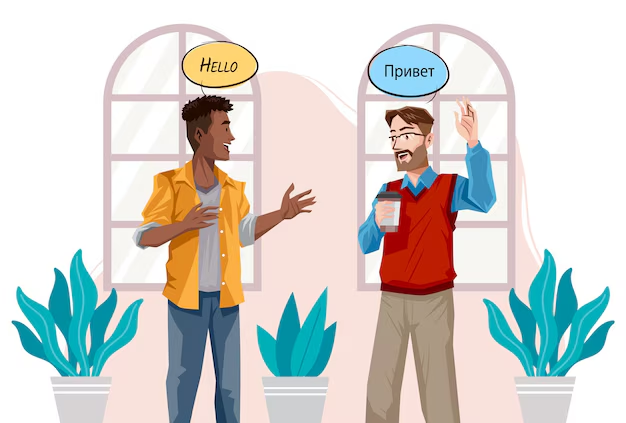
Starting a conversation is simply the act of opening communication with another person. It does not mean being funny, impressive, or saying something perfect. At its core, it means showing interest, creating a small connection, and giving both people a chance to talk. Whether it happens in person, at work, online, or through text, starting a conversation is a basic social skill that plays a big role in daily life.
Many people struggle with how to start a conversation because of social pressure. There is often a fear of saying the wrong thing, being judged, or facing an awkward silence. Overthinking makes the moment feel heavier than it really is. Instead of focusing on connection, people focus on performance, which creates stress and hesitation.
Learning how to start a conversation naturally can make everyday interactions feel easier and more comfortable. It helps with building relationships, improving confidence, and communicating more clearly in different situations. By understanding a few simple ideas and practicing them over time, starting a conversation can become a normal and even enjoyable part of life.
Why Starting a Conversation Feels Hard for Most People?
For many people, starting a conversation feels difficult because of natural psychological and social reasons. Humans are social by nature, but they are also sensitive to rejection and judgment. When you think about starting a conversation, your mind may focus on what could go wrong instead of what could go right. This creates hesitation and self-doubt before a single word is spoken.
One common misconception is the idea that you must say the perfect opening line. People often believe that a conversation depends on a clever or impressive start. In reality, most good conversations begin with simple and ordinary words. The pressure to be interesting right away can stop people from speaking at all.
Pressure also creates awkwardness because it pulls attention inward. Instead of listening and responding naturally, people focus on their own thoughts and fears. This can make conversations feel forced or uncomfortable. When the pressure is reduced and expectations are lowered, starting a conversation becomes much easier and more natural.
The Basics of a Good Conversation Starter
A good conversation starter feels natural because it fits the moment. It does not sound rehearsed or overly planned. Natural openers often come from the environment, the situation, or a shared experience. When your words match what is happening around you, the conversation feels smooth instead of forced.
Curiosity plays a key role in how to start a conversation. Showing real interest in the other person creates space for connection. Context also matters, because what works in one setting may not work in another. Tone is equally important. A calm, friendly tone helps the other person feel comfortable and open to responding.
Simplicity works better than cleverness because it removes pressure from both sides. Simple comments or questions are easier to respond to and keep the conversation flowing. When you aim for clear and genuine communication instead of trying to impress, conversations tend to last longer and feel more enjoyable.
How to Start a Conversation in Everyday Situations?
In everyday life, conversations often begin in casual environments such as waiting lines, public transport, shops, or shared spaces. These situations offer natural openings because both people are experiencing the same moment. A simple observation about the surroundings or a friendly comment can be enough to start talking without feeling awkward.
In work or professional settings, starting a conversation often feels more serious, but the same principles apply. Keeping the topic relevant and respectful helps maintain comfort. Conversations may begin around work tasks, shared goals, or general topics related to the environment. A calm and professional tone makes it easier to connect without crossing boundaries.
Social gatherings and group situations provide many opportunities to start conversations, but they can also feel overwhelming. In these settings, listening first can help. Joining a conversation by responding to what has already been said feels more natural than interrupting with a new topic. Over time, these small interactions build confidence and social ease.
How to Start a Conversation With Someone You Don’t Know?
Starting a conversation with someone you do not know can feel intimidating, but it becomes easier when you pay attention to the environment and social cues. Body language, facial expressions, and tone can signal whether someone is open to talking. Respecting these signals helps create a comfortable interaction for both people.
Shared surroundings are one of the easiest ways to start a conversation with a stranger. Commenting on the place, event, or situation creates common ground without being personal. This approach feels natural because it is based on something both people can see or experience in the moment.
Being friendly also means respecting boundaries. Not every person wants to talk, and that is okay. Starting a conversation does not guarantee a long exchange, and it does not need to. When you stay polite, relaxed, and open, even brief conversations can feel positive and rewarding.
How to Start a Conversation Over Text or Online?
Starting a conversation over text or online is different from in-person communication because there are fewer social cues. Tone, facial expressions, and body language are missing, which means words carry more weight. This is why simple and clear messages work better than long or complicated ones.
Dry or generic openers often fail because they do not invite engagement. Messages that feel copied or automatic can be hard to respond to. A more natural approach is to reference something specific, such as a shared interest or recent interaction. This shows attention and makes the conversation feel more personal.
Keeping the first message natural and engaging helps the conversation move forward. There is no need to write a perfect message. A relaxed tone and genuine interest are usually enough. When you focus on starting a conversation instead of controlling it, online communication becomes much easier.
What to Say After the Conversation Starts?
Once the conversation begins, the next challenge is knowing what to say next. Transitioning from an opener to real dialogue happens through listening. Responding to what the other person says shows interest and keeps the exchange moving naturally.
Asking follow-up questions can deepen the conversation, but they should feel natural rather than planned. Questions that grow from the topic at hand feel more like a conversation and less like an interview. Sharing small thoughts or experiences can also balance the exchange and build connection.
Keeping the flow alive means staying present in the moment. You do not need to fill every silence or push the conversation forward. Short pauses are normal and often give both people time to think. When you stay relaxed, the conversation finds its own rhythm.
Common Mistakes That Kill Conversations Early
One common mistake when learning how to start a conversation is overthinking or rehearsing too much. When people plan every word, they may sound stiff or unnatural. Conversations work best when they are flexible and responsive rather than scripted.
Turning conversations into interviews can also make them feel uncomfortable. Asking too many questions without sharing anything in return can create pressure. A balanced exchange where both people contribute helps build trust and interest.
Focusing on impressing instead of connecting often leads to shallow interactions. When the goal becomes approval rather than communication, the conversation loses authenticity. Letting go of the need to impress allows real connection to form more easily.
Building Confidence in Starting Conversations Over Time
Confidence in starting conversations does not come from being perfect. It comes from repetition and experience. The more often you practice, the more comfortable it becomes. Small interactions, even brief ones, help build this confidence gradually.
Learning from everyday conversations is part of the process. Some interactions will feel smooth, while others may not. Both are valuable because they teach you what works and what does not. Instead of judging yourself, noticing patterns helps you grow.
Over time, you will develop your own conversation style. This style reflects your personality, tone, and way of connecting with others. When you accept your natural approach, starting a conversation feels less like a task and more like a normal part of life.
Conclusion
Starting a conversation is a skill that anyone can learn with time and practice. It does not require special talent or perfect words. Understanding how to start a conversation means understanding people, situations, and yourself a little better.
Authenticity matters more than perfection. Simple, genuine communication creates stronger connections than clever or planned lines. When you focus on being present and curious, conversations become easier and more meaningful.
With regular practice and less pressure, starting a conversation can feel natural and even enjoyable. By allowing conversations to evolve on their own, you create space for real connection and growth in everyday life.
FAQs
How do I start a conversation if I feel shy?
Start small. Simple comments or short questions are enough. Confidence grows with practice, not perfection.
What is the easiest way to start a conversation with a stranger?
Use shared surroundings, like the place, event, or situation you’re both in.
How do I start a conversation without sounding awkward?
Avoid rehearsed lines. Speak naturally and focus on connection, not impressing.
How do I start a conversation over text?
Reference something specific instead of sending generic messages. Keep it simple and friendly.
What should I say if my mind goes blank?
Pause, listen, or ask a simple follow-up question. Silence is normal and okay.